Photo credit: Facebook/ASEAN urbanist
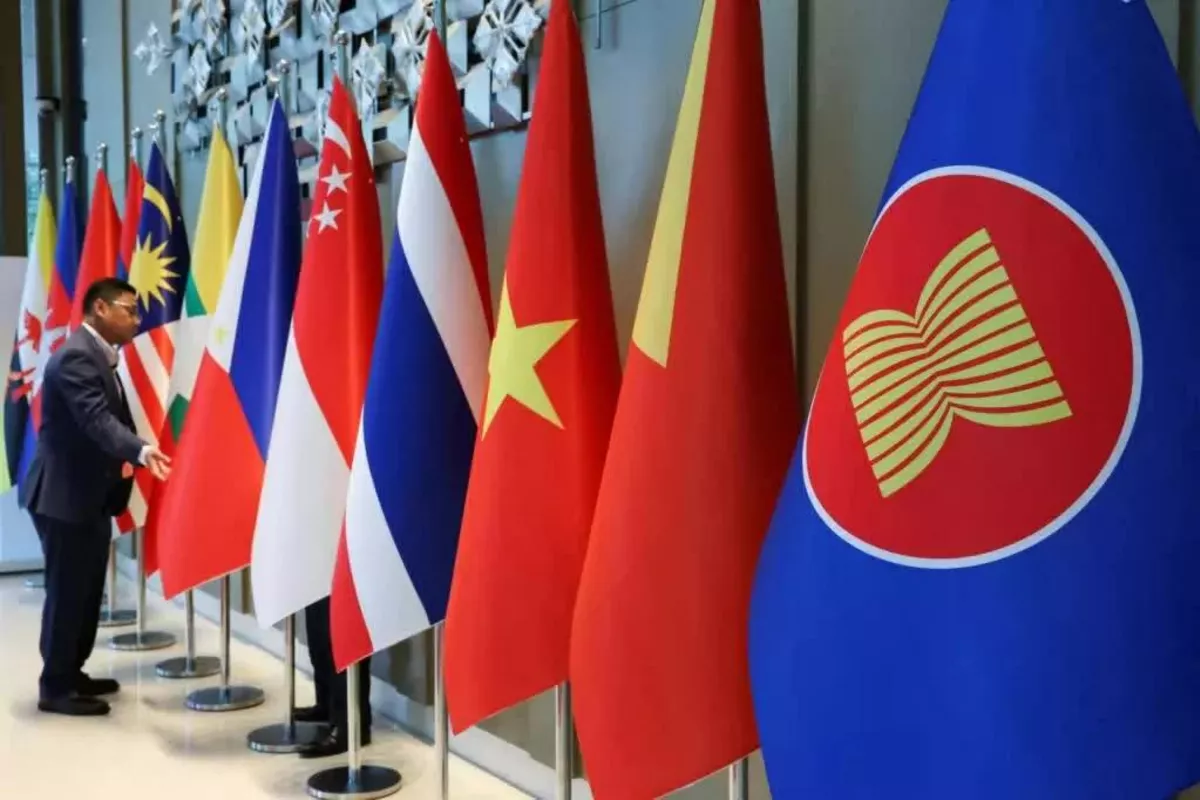
The Association of Southeast Asian Nations (ASEAN) on Friday called on the US and Iran to halt hostilities to achieve lasting regional peace, describing the ongoing crisis as a "limbo situation."
All parties to the war must cease hostilities and open the Strait of Hormuz, the Philippines President Ferdinand Marcos Jr. told reporters after hosting a summit of the Association of Southeast Asian Nations (ASEAN), The Caspian Post reports, citing Anadolu agency.
The 48th summit of leaders of ASEAN was hosted by the Philippines in Cebu province.
Marcos, who chaired the summit, said the ongoing fighting involving the United States, Israel and Iran had created a volatile situation with no clear indication of whether the ceasefire was holding.
“We now are in a limbo situation about how long it (war) is going to last,” he said when asked about what discussions were held by the ASEAN leaders about the US-Israel war with Iran, which began on Feb. 28. “We don’t know when the next encounter is going to be.”
The war has left over 3300 dead in Iran and thousands of others displaced before Pakistan secured a ceasefire on April 08, which has been extended by the US side.
“Is the ceasefire on? Is it not on? Is Israel included? Is Hezbollah included? It is a very difficult situation,” said Marcos.
Indicating any diplomatic efforts would not achieve desired results, Marcos said: “Until the fighting ends, until bombings end, it is very difficult to put together any kind of solution.”
Southeast Asian leaders discuss Mideast war as ASEAN chair urges passage via Hormuz, cessation of hostilities
He described peace as the “fundamental” first step toward resolving the broader regional crisis and stabilizing the Middle East.
“That is fundamental to any discussion about the war in the Middle East,” Marcos said. “We will absolutely achieve nothing until there is peace.”
The ASEAN summit has been heavily focused on the fallout from the Middle East conflict, particularly concerns about disruptions to oil shipments and maritime trade through the Strait of Hormuz, one of the world’s most critical energy chokepoints.
Marcos said the ASEAN member states were coordinating contingency measures to secure fuel supplies amid fears of prolonged instability.
“The call essentially is: Peace now,” he said.
Share on social media