Trump to Hear Netanyahu’s Options for Strikes Against Iran
Israeli officials are increasingly alarmed that Iran is ramping up production of ballistic missiles, rebuilding capabilities damaged by Israeli strikes earlier this year, and are preparing to brief US President Donald Trump on options for renewed military action.
The concerns extend beyond missiles. Israeli officials also believe Iran is working to reconstitute nuclear enrichment sites struck by the US in June. Still, sources say the ballistic missile program and the repair of Iran’s air defense systems are viewed as the most immediate threats, The Caspian Post reports via foreign media.
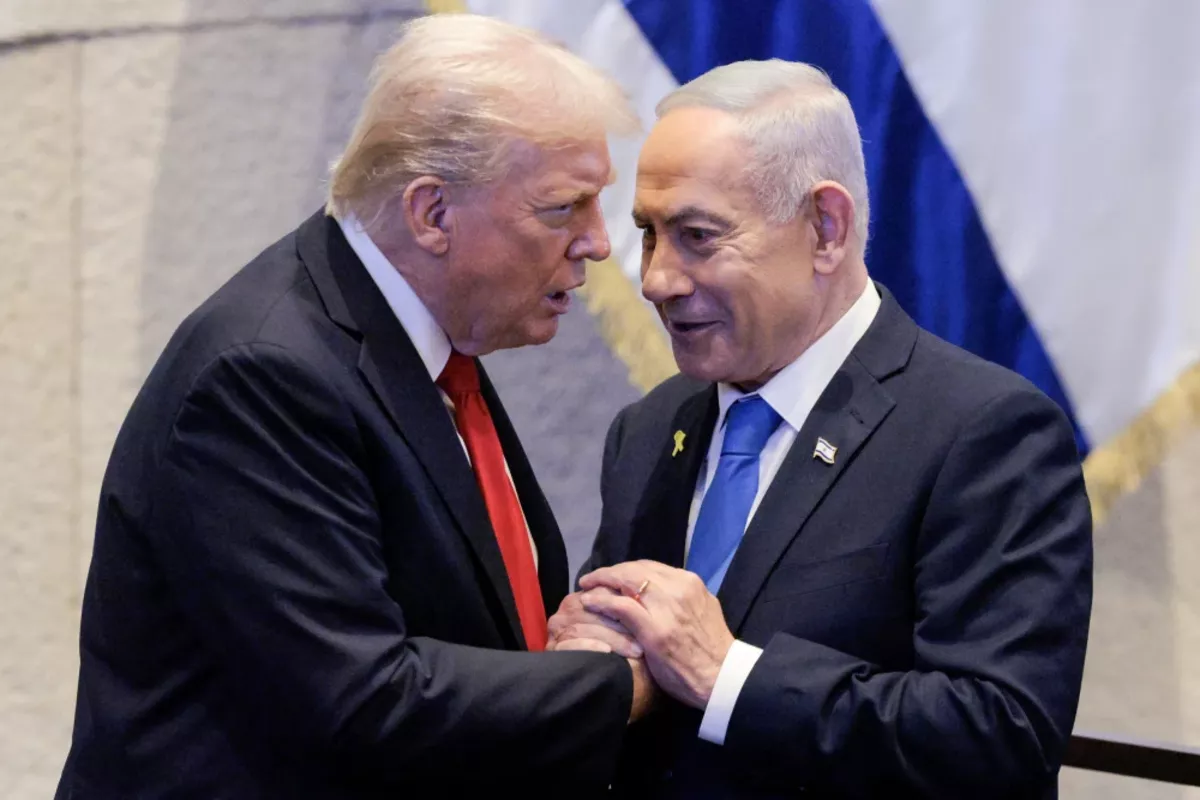
Trump and Israeli Prime Minister Benjamin Netanyahu are expected to meet later this month at Trump’s Mar-a-Lago estate in Florida. Netanyahu is expected to argue that Iran’s expanding missile production poses a growing danger not only to Israel, but to the wider region and US interests, and could require swift action. Israeli officials are expected to present Trump with options for US involvement, ranging from support roles to joint military operations.
Asked about a possible meeting, Trump told reporters, “We haven’t set it up formally, but he’d like to see me.” Israeli officials have announced a December 29 meeting.
The Israeli government declined to comment, while Iran’s mission to the United Nations did not respond to requests for comment.
White House spokesperson Anna Kelly said: “The International Atomic Energy Agency and Iranian government corroborated the US government’s assessment that Operation Midnight Hammer totally obliterated Iran’s nuclear capabilities.” She added that Trump has made clear that if Iran pursued a nuclear weapon, “that site would be attacked and would be wiped out before they even got close.”
The renewed Israeli push comes as Trump weighs other global military decisions and continues to highlight his administration’s actions against Iran’s nuclear program. In a recent address, Trump said he had “destroyed the Iran nuclear threat and ended the war in Gaza, bringing for the first time in 3,000 years, peace to the Middle East.”
At the same time, Tehran has signaled interest in resuming diplomatic talks with Washington, potentially complicating Israeli efforts to secure US backing for new strikes. Israeli officials are also closely watching Iran’s funding of regional proxies, which they see as part of a broader strategy to rebuild military leverage.
“The nuclear weapons program is very concerning. There’s an attempt to reconstitute. It’s not that immediate,” one source said.
US strikes in June, known as Operation Midnight Hammer, involved more than 100 aircraft, a submarine and seven B-2 bombers, while Israeli forces targeted Iran’s ballistic missile sites and air defenses. Earlier Israeli strikes in April and October 2024 severely damaged Iran’s S-300 air defense systems, reducing risks to manned flights over Iranian airspace.
Trump has hinted he may be open to renewed talks, but has also warned Tehran against rebuilding its missile or nuclear programs. “But if they do want to come back without a deal, then we’re going to obliterate that one, too,” he said. “You know, we can knock out their missiles very quickly, we have great power.”
According to sources, Israel previously presented Trump with four military options ahead of the June strikes, ultimately leading to a joint US-Israeli operation. Netanyahu is expected to present a similar set of choices during the upcoming meeting.
Israeli officials warn that if unchecked, Iran could eventually produce up to 3,000 ballistic missiles per month, making missiles the country’s most urgent security concern. As one former Israeli official put it: “The threat of the missiles is very real, and we weren’t able to prevent them all last time.”
They fear that a growing missile arsenal, combined with restored air defenses, could allow Iran to better protect its nuclear sites and accelerate efforts to revive its nuclear program.