What Is Driving Türkiye’s Most Severe Drought in Decades?
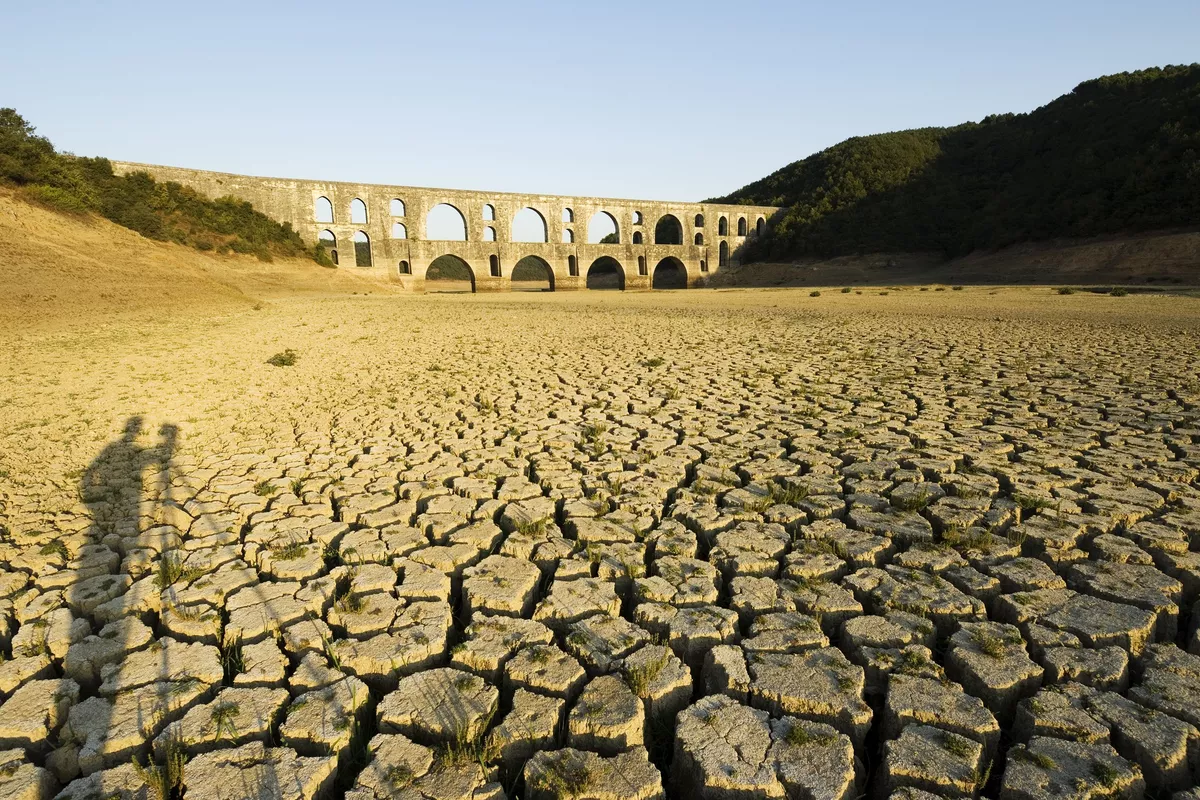
Türkiye experienced one of the most severe droughts of the past 50 years in 2025, with growing evidence that the problem is becoming chronic and structural rather than temporary.
Data from the 2025 Standard Precipitation Index (SPI) maps published by the Turkish State Meteorological Service (MGM) show particularly worrying conditions in the 12- and 24-month indicators, The Caspian Post reports, citing Anadolu.
The SPI-an internationally recognized tool recommended by the World Meteorological Organization to track meteorological drought-has fallen to -2 or lower in large parts of the country, signaling severe drought.
Professor Mikdat Kadioglu of Istanbul Technical University’s Department of Climate Science and Meteorological Engineering told Anadolu that Türkiye endured one of the harshest droughts in half a century during 2025.
“There is a clear water deficit that is being carried over from one year to the next across much of the country,” Kadioglu said. “This points to a new normal under climate change.”
He explained that consecutive years of insufficient rainfall have weakened the soil’s ability to retain moisture, pushed groundwater levels below critical thresholds, and increased the risk of sinkhole formation.
Kadioglu stressed that while 3-month SPI maps mainly reflect short-term weather fluctuations, the 12- and 24-month indicators are far more significant because they directly affect reservoirs, groundwater resources, agricultural output, and the broader economy.
These longer-term maps now display extensive red and black zones across Türkiye, signaling severe to extreme drought conditions.
By August 2025, around 70% of the country’s land area was classified as being under severe or worse drought on the 12-month SPI map, forming what experts describe as a persistent drought belt.
In Istanbul, Türkiye’s largest city with more than 15.7 million residents, rainfall in June 2025 totaled just 0.5 millimeters-representing a 99% decline compared to long-term averages. Reservoir levels at times fell to around 30%, with later reports indicating even lower levels as water stress intensified.
Ankara, the capital city with a population of about 5.9 million, along with the wider Central Anatolia region, recorded their lowest rainfall in 65 years. The capital itself experienced its driest period in 47 years, severely affecting agriculture and regional water resources.
Kadioglu also pointed to major agricultural losses in Thrace, in northwestern Türkiye, where sunflower yields declined by as much as 90%. Heat stress also reduced the oil content of seeds, compounding the economic impact on farmers.
According to Kadioglu, Türkiye’s water budget now shows a chronic deficit on both 12- and 24-month timescales-one that cannot be closed through traditional water management methods. He warned that the gap between drought and abundance is widening, with sharper and more sudden transitions between extremes.
He concluded that urgent water conservation measures, agricultural adaptation strategies, and long-term climate policies are no longer optional. National-level, basin-based, and fundamental decisions on water management, he said, have become an absolute necessity.