photo: Asia Plus
Weeks after two cross-border attacks killed five Chinese workers near the volatile Afghan-Tajik frontier, questions linger over who was behind the violence and why - fueling fears over regional security and the future of Chinese investments in Central Asia.
The attacks occurred on November 26 and 30, reportedly involving militants crossing from Afghanistan, The Caspian Post reports via Tajik media.
Five Chinese nationals died and five more were injured. Authorities have offered conflicting explanations: Tajik officials blamed drug traffickers and criminal groups, while the Taliban said two suspects were arrested without revealing their identities. No group has claimed responsibility.
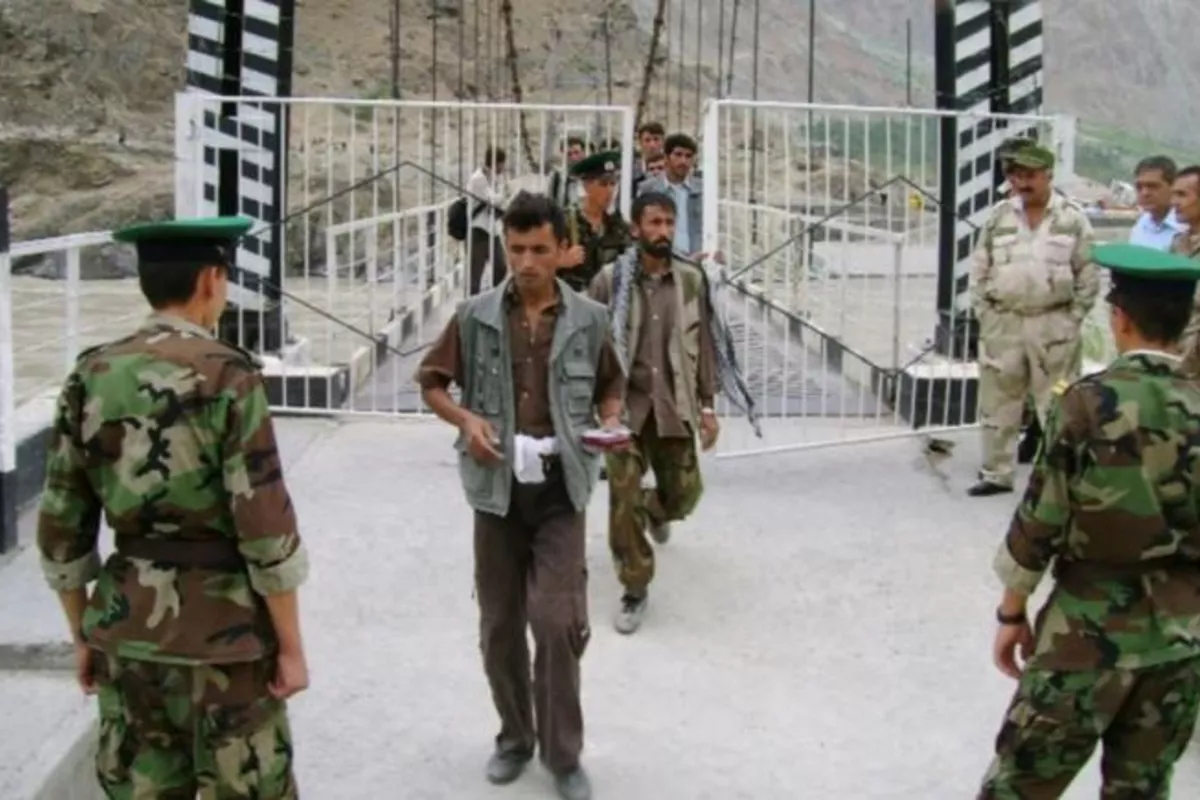
Chinese diplomats in Dushanbe and Kabul demanded stronger safety measures, prompting both the Taliban and Tajik governments to pledge increased border security. Analysts warn that instability could jeopardize Chinese investments, especially in mining and infrastructure projects along the Panj River, a hotspot for clashes and smuggling.
The attacks come amid rising Chinese involvement in resource extraction, with the Shohin SM mining company - a Tajik-Chinese venture - operating in the area since 2023. Local disputes, including a recent fight over river diversion for mining, may have escalated tensions.
Experts suggest multiple potential culprits: Islamic State-Khorasan Province (IS-K), East Turkestan Islamic Movement (ETIM), and Tajik jihadist group Jamaat Ansarullah. Analysts note that while traffickers were blamed initially, high-profile attacks rarely fit their methods. Some believe Jamaat Ansarullah or rogue Taliban factions may be responsible, aiming to undermine both Tajik authority and Taliban-China ties.
In response, Chinese embassies urged citizens to avoid border regions, while the Taliban plans to create a dedicated military unit to protect mining areas. At the UN Security Council, China called for a thorough investigation and stronger action against extremism.
Without a clear claim of responsibility, the region faces continued uncertainty. Experts warn that any misstep in assigning blame could spark political fallout, leaving Chinese workers at risk and threatening the stability of Central Asia.
Share on social media