photo: Avesta.tj
Tajikistan is stepping up efforts to combat climate change and land degradation by expanding saxaul plantations across several regions.
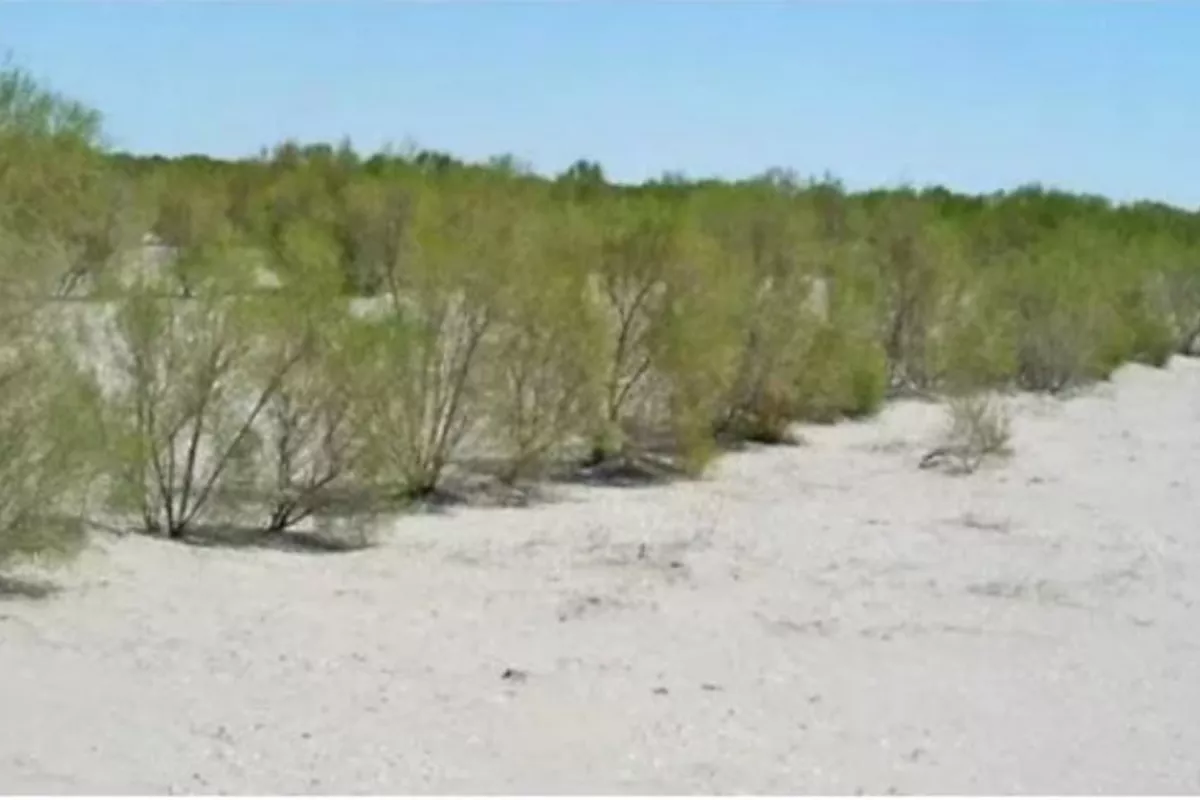
In the Shahriotus district of Khatlon province, saxaul has already been planted on more than 250 hectares, while in the Asht district of Sughd province the figure stands at 70 hectares, The Caspian Post reports via Tajik media.
Authorities plan to significantly scale up the project, with the total area of saxaul plantations in Asht expected to exceed 350 hectares by 2027.
Forestry experts say the initiative plays a vital role in climate adaptation. Nourali Huseinov, director of the Research Institute of Forestry, noted that saxaul is especially effective in stabilizing sands and preventing the formation of sandstorms. Thanks to its deep and powerful root system, the plant strengthens sandy soils, slows desertification and helps curb the spread of dust. It also improves soil quality, retains moisture and creates conditions for other plants to grow, supporting local ecosystems.
Land degradation remains one of the world’s most pressing environmental challenges. Experts estimate that more than 12 million hectares of fertile land are lost globally each year, while by 2050 drought could affect up to 75 percent of countries. In Tajikistan, these trends are reflected in soil erosion, desertification and a rising frequency of dust storms, with specialists noting that dust and haze often originate from arid areas of neighboring Uzbekistan, Turkmenistan and Afghanistan.
Saxaul, a hardy desert shrub or small tree native to Central and Western Asia, is well suited to extreme conditions. It is resistant to drought, high temperatures and saline soils, helping preserve desert ecosystems and reduce wind erosion.
The expansion of saxaul plantations forms part of Tajikistan’s broader forest restoration programs, aimed at strengthening environmental resilience and mitigating the long-term impacts of climate change.
Share on social media