Uzbekistan and Turkmenistan: A Central Asian Approach to Global Peace.
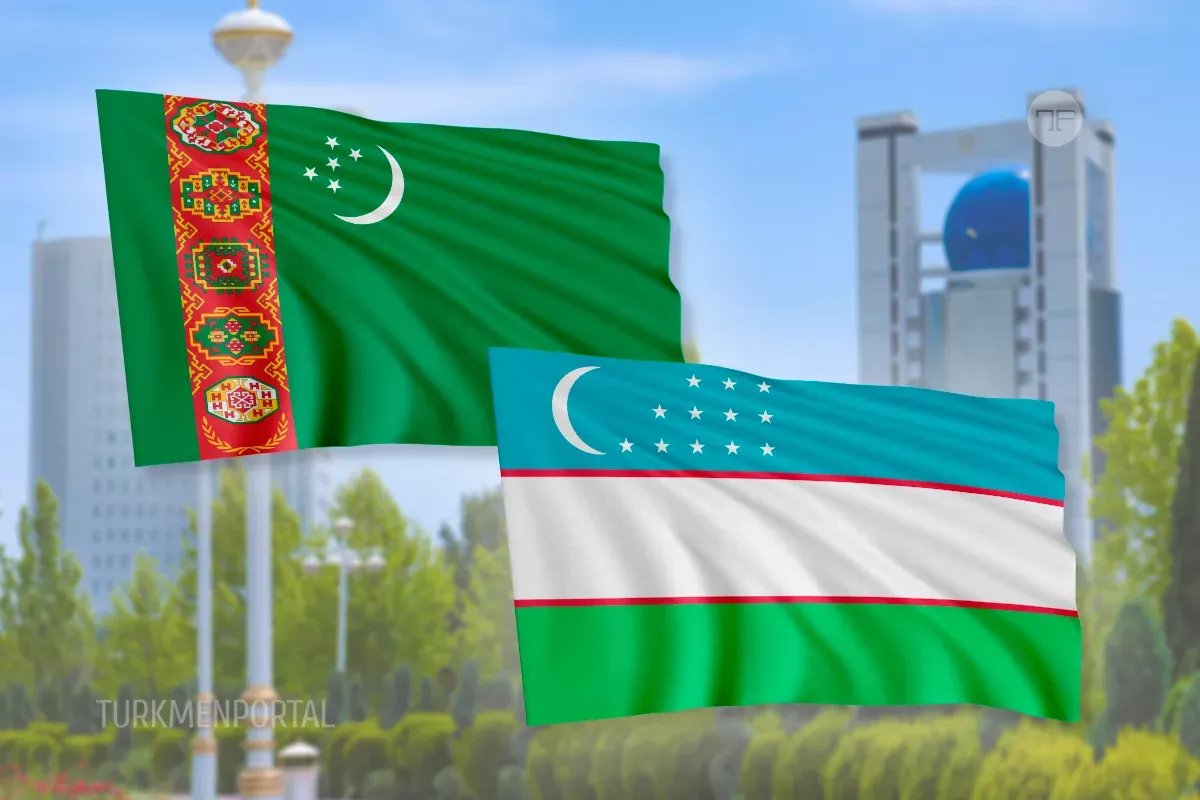
The participation and address by the President of Uzbekistan, Shavkat Mirziyoyev, at the international forum in Ashgabat, marking the 30th anniversary of Turkmenistan’s permanent neutrality and the International Day of Neutrality, highlighted the strong strategic partnership between the two brotherly nations and their shared commitment to enhancing peace and stability in both regional and global politics.
The participation of several heads of state in the forum confirmed the event’s high international significance, The Caspian Post reports citing Uzbek media.
President Shavkat Mirziyoyev sincerely congratulated Turkmenistan on the 30th anniversary of the establishment of permanent neutrality, noting that this landmark date demonstrates Turkmenistan’s unwavering commitment to the development of peaceful, trust-based, friendly, and mutually beneficial cooperation with all countries. The Head of State emphasized that the policy of neutrality, which has become an integral part of the modern identity of the Turkmen people, is rooted in their deep historical traditions and noble qualities, such as generosity, tolerance, and good neighborliness. In this regard, Uzbekistan fully supported Turkmenistan’s initiative to establish a University of Peace and Neutrality in cooperation with the United Nations.
The speech emphasized that openness to the world, mutual respect, and a commitment to dialogue are fundamental values for the New Uzbekistan. The Samarkand Initiative, put forward as an expression of solidarity for common security and prosperity, became a manifestation of political will to engage in dialogue with all parties striving for peace, harmony, and sustainable development.
During Uzbekistan’s upcoming chairmanship of the Non-Aligned Movement, our country sets the following key objectives as its priorities: promoting a global movement for a culture of peace and nonviolence, strengthening trust among states through political dialogue, and fostering an atmosphere of tolerance, harmony, and solidarity worldwide. It is also planned to designate 2027 the Year of Preventive Diplomacy to support efforts to resolve conflicts in the interests of future generations, within the framework of which an appropriate program of activities will be adopted.
It was noted that the principles of mutual trust, respect, and solidarity also underpin the policy aimed at transforming Central Asia into a space of peace, cooperation, and good neighborliness. The seventh Consultative Meeting of the Heads of State of the region, held in Tashkent last month, once again demonstrated our readiness to strengthen unity, undertake joint actions to ensure peace and stability, and expand multilateral economic cooperation. In this context, it was emphasized that Turkmenistan’s constructive, peace-oriented policy is a key factor in ensuring stability and development in Central Asia.
The Head of State underscored the importance of developing humanitarian cooperation based on mutual respect, trust, and solidarity, and also proposed holding a joint international humanitarian forum, “Dialogue of Cultures”, in Tashkent next year and launching the regional program “Youth for Peace and Trust”.
Bilateral relations between Uzbekistan and Turkmenistan have assumed a strategic character in recent years: trade turnover increased 6.4-fold from 2017 to 2024 and exceeded USD 1.14 billion. During the heads of state meeting, the goal was set to increase trade turnover to $2 billion in the near future.
Establishing the Shavat - Dashoguz cross-border trade zone will be an essential tool for achieving this goal. An agreement was also reached to hold the third forum in Khiva, with participation from all regions of both countries. Agreements were reached on deepening cooperation in the energy sector, electricity transit, and the joint development of promising deposits.
Agreements to increase cargo transportation volumes in the transport and logistics sector, jointly develop the Turkmenbashi Port, and resume direct flights between the capitals provide Uzbekistan with additional opportunities to diversify export routes. A vivid example of industrial cooperation is the project to establish a joint automobile manufacturing enterprise between Turkmenistan Motors and Uzavtosanoat.
In conclusion, the Head of State once again emphasized Uzbekistan’s readiness to make a practical contribution to the building of a just and stable world order.
President Shavkat Mirziyoyev’s visit to Ashgabat and the strategic agreements reached underscored the high level of relations between Uzbekistan and Turkmenistan in political, economic, and humanitarian terms. These relations remain an important factor not only for the mutual development of the two states, but also for ensuring peace and prosperity throughout Central Asia.