Source: UzDaily.uz
Uzbekistan intends to meet most of its increasing demand for aviation kerosene through domestic production while covering the remaining needs with imports from Georgia, Iraq, and other countries as air traffic across Central Asia continues to grow.
The strategy was presented during President Shavkat Mirziyoyev's review of Uzbekneftegaz's performance for the first half of 2026 and the company's operational objectives for the rest of the year, The Caspian Post reports, citing the presidential press service.
In the first six months of 2026, Uzbekneftegaz produced 11.5 billion cubic metres of natural gas. Production of crude oil, diesel fuel, aviation kerosene, and liquefied petroleum gas also surpassed planned targets.
By the end of the year, the company expects total output to reach 1.1 million tons of gasoline, 983,000 tons of diesel fuel, 310,000 tons of aviation fuel, 606,000 tons of liquefied petroleum gas, and 1.18 million tons of synthetic products.
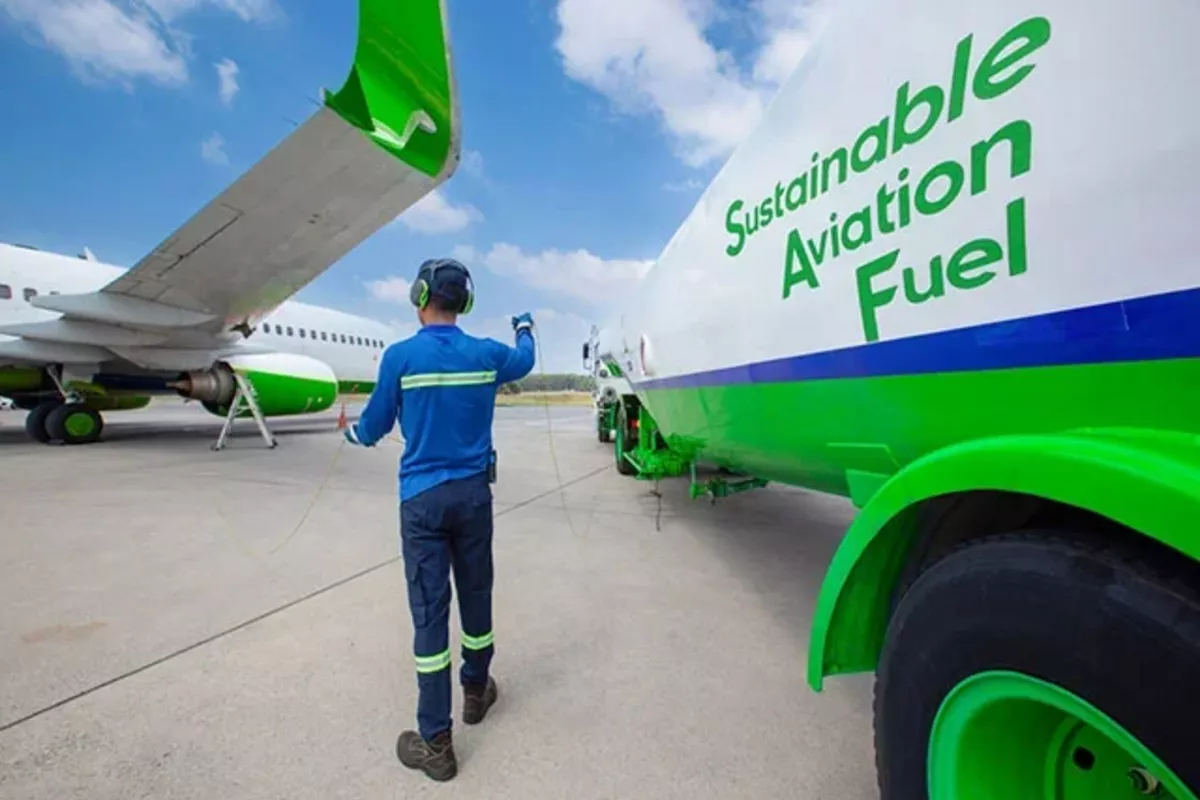
As passenger and cargo air traffic continues to expand across Central Asia, Uzbekistan projects that demand for aviation kerosene will increase by 27% to 375,000 tons. Domestic refineries are expected to supply most of this demand, while the remaining volumes will be imported from Georgia, Iraq, and other international suppliers.
During the meeting, Mirziyoyev also examined plans to modernize Uzbekgeofizika as part of wider efforts to reinforce Uzbekistan's energy sector and enhance its resource exploration capabilities.
The modernization programme envisages an investment of $38.8 million to upgrade equipment and purchase a 3D seismic survey complex. In partnership with Schlumberger, Uzbekistan is also creating a data processing centre equipped with a supercomputer and artificial intelligence software to improve geological exploration.
The project is expected to almost triple the annual area covered by 3D seismic surveys to 5,000 square kilometres, extend exploration depth to 8,000 metres, and increase the number of prospective geological structures identified each year from 19 to 30.
Mirziyoyev instructed officials to guarantee an uninterrupted supply of petroleum products to households and industrial consumers while speeding up energy sector modernization, improving energy efficiency, and lowering production costs.
Share on social media