Uzbekistan's Central Bank Revises Inflation Forecast Upward to 7%
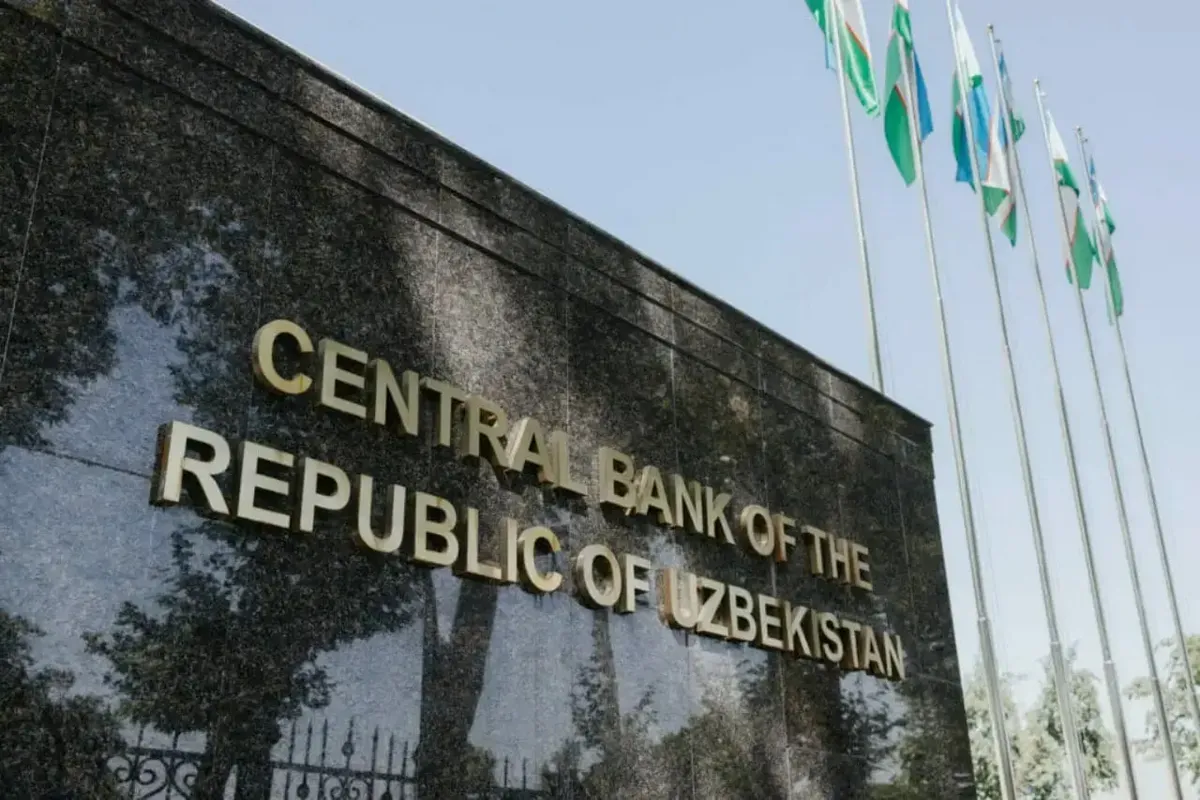
The Central Bank of Uzbekistan has revised its inflation forecast for the end of 2026 upward to 7%, from the previously projected 6.5%, partly due to higher-than-expected increases in heating and hot water tariffs.
Samigjon Inogamov, Director of the Central Bank’s Monetary Policy Department, presented the updated forecast at a press conference on November 4, according to the regulator, The Caspian Post reports, citing UzDaily.
Inogamov explained that increases in heating and hot water tariffs had already been incorporated into the previous 6.5% inflation forecast. However, the announced tariff adjustments turned out to be somewhat higher than initially anticipated.
“The announced parameters turned out to be somewhat higher. We have therefore included them in the updated forecast, revising our end-of-year inflation estimate from 6.5% to 7%,” he said.
The department director noted that the tariff adjustments were among the key factors considered by the Central Bank Board when deciding to maintain the policy rate at 14% and continue pursuing tight monetary conditions.
Central Bank Deputy Chairman Nodirbek Achilov said the regulator's calculations already accounted for all announced changes in regulated prices, including heating tariffs.
“As with liquefied gas, we have accounted for the one-off impact of the heating tariff increase in our current forecast. Our forecasts for next year also include all changes announced so far. The 7% inflation forecast already incorporates all these factors,” Achilov said.
The Central Bank Board did not consider increasing the policy rate in response to the tariff adjustments at its November 4 meeting. Instead, it discussed only two options: maintaining the rate at 14% or reducing it to 13.5%.
“According to our calculations, the initial impact of the tariff changes will be short-term and relatively small. Therefore, the possibility of raising the policy rate was not discussed by the Board today,” Achilov explained.
The regulator assessed both the direct impact of higher prices for certain services and the potential risk of these increases spreading to other goods and services.
“We consider it appropriate to continue tight monetary policy to mitigate the secondary effects of tariff changes,” the deputy chairman said.
According to Achilov, the direct impact of the tariff adjustments is expected to be largely one-off, while tight monetary conditions are intended to contain their effects on inflation expectations and more persistent components of inflation.
Achilov also noted that the government had предусмотрed social support measures for households. These measures are expected to reduce the impact of higher tariffs on family incomes and purchasing power.