Central Asia’s Energy Shift Challenges Russia’s Long-Held Dominance
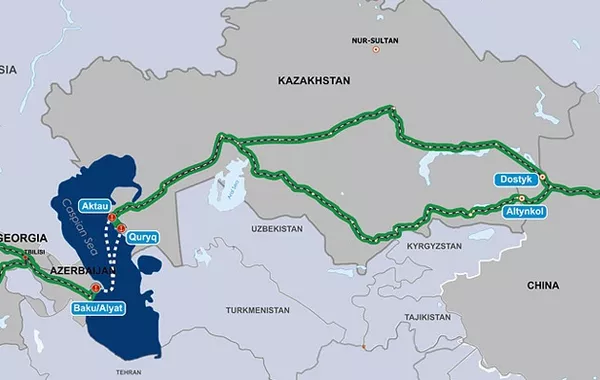
Central Asia is undergoing a quiet but consequential energy transformation that is reshaping long-standing regional dynamics. As Mezha highlights, deeper regional integration, new cross-border infrastructure, and diversification of export routes are steadily reducing Russia’s traditional dominance in the energy market.
Russia is losing ground as the main player in the Central Asian energy market. These conclusions are contained in an intelligence analysis report that highlights changes in the region amid new integration projects and geopolitical upheavals, The Caspian Post republishes the article.
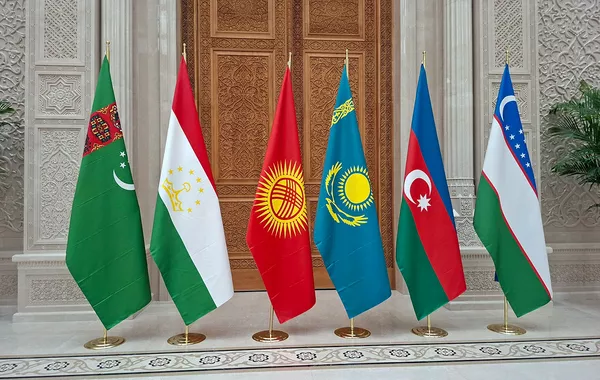
According to intelligence, Central Asian countries, with support from the World Bank, are working on creating a single energy space that is meant to reshape the regional electricity market and alter supply chains in the region.
The REMIT plan is designed for ten years and foresees synergy between Kyrgyzstan’s and Tajikistan’s hydroelectric plants and the thermal generation of Kazakhstan, Turkmenistan, and Uzbekistan, with subsequent involvement of solar and wind energy within a framework of joint energy cooperation.
As stated by SZRU, the total cost of the system exceeds $1 billion, with more than $143 million already funded.
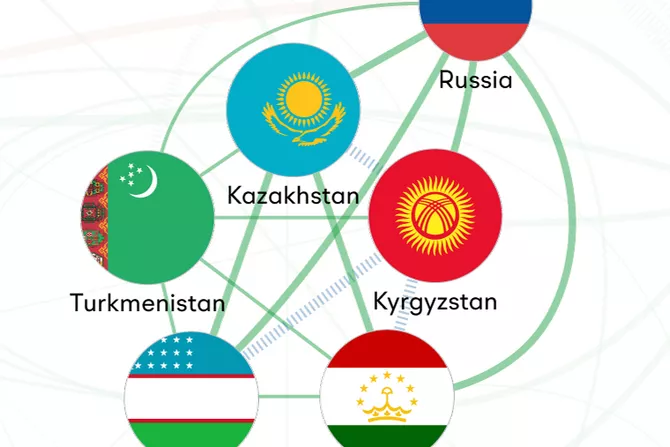
photo: clingendael
Regional Integration Strategy
«Not long ago, Russia was regarded as one of the key players in the Central Asian energy market and claimed the role of coordinator of integration processes. Under its patronage, the Eurasian Economic Union promoted the idea of establishing a joint energy center in the region»
- Intelligence
However, Russia’s war against Ukraine, international sanctions, and the lack of modern technologies among the main beneficiaries of the EAEU - Russia and Belarus - have effectively derailed the implementation of these plans. The start of works planned for 2025 has been postponed at least until 2027, and the subsequent start date remains in question.
Deputy Minister of Energy and Infrastructure of the Eurasian Economic Commission Arzibek Kozhoshev acknowledged that even 2030 may be only an approximate date for the start of the project.
The prospects for a Russian-Eurasian energy center remain uncertain due to the lack of free gas on Russia’s market and significant differences in regulatory approaches among the participating countries.
Prospects and Economic Implications for the Region
«Against this backdrop, the REMIT initiative is more pragmatic and institutionally grounded. According to the World Bank, the total economic impact of its implementation by 2050 could reach $15 billion, making the project one of the most significant infrastructure shifts in Central Asia in recent decades»
- SZRU
In the broader context of global energy, exports of Russian oil are becoming increasingly challenging, and rising production without defined end buyers indicates systemic problems in Russia’s oil sector, driven by sanctions and the transformation of world markets.
The regional energy timeline indicates a growing role for regional integration and diversification of supply, reducing dependence on a single source and opening up new opportunities for market structures that are more independent from Russia.