India Drifts Away from Russian Oil Toward U.S.-Aligned Supply Chains
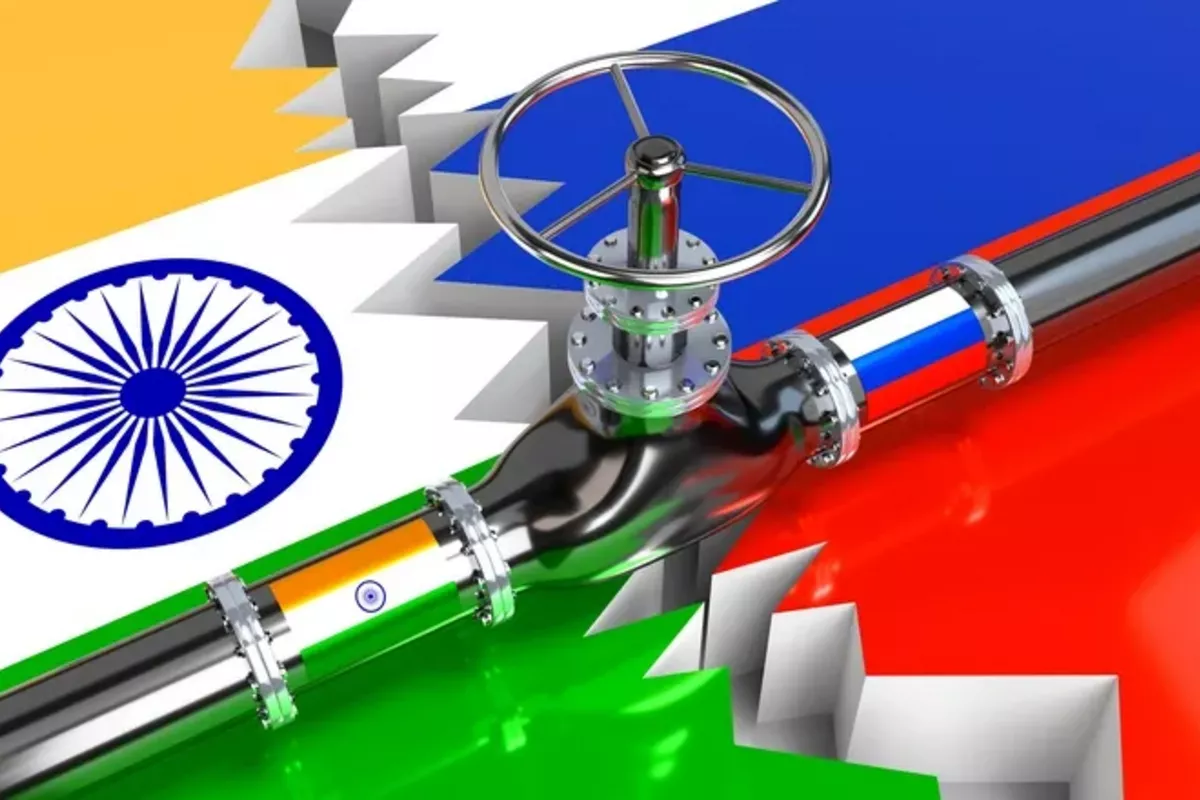
Over the past few months, India’s energy strategy has become noticeably more “multi-vector” - and this is no longer a theoretical shift, but a sequence of concrete deals and negotiations. New Delhi has not announced a break with Russian oil, yet an increasing number of facts point to a systematic effort by Indian refineries and traders to reduce dependence on a single source of supply, expanding their basket to include Latin America and alternative routes. The main driver is not ideology, but risk management: sanctions, logistics, fleet insurance, and the political pressure surrounding Russian oil.
A symbolic marker was the news of January 14, 2026: India’s largest state-owned refiner, the Indian Oil Corporation (IOC), purchased Ecuador’s Oriente crude for the first time in its history via a tender - two million barrels with delivery by the end of March. Reuters notes that the IOC has traditionally relied on supplies from Russia and the Middle East and has rarely sourced crude from South America. The current move is described as part of a diversification strategy amid disruptions to Russian flows linked to U.S. and EU sanctions on Russian producers and shipping.
In the same context, Reuters also mentions the IOC’s recent purchase of Colombia’s Castilla crude - another signal that India’s state sector is expanding the geography of its procurement.
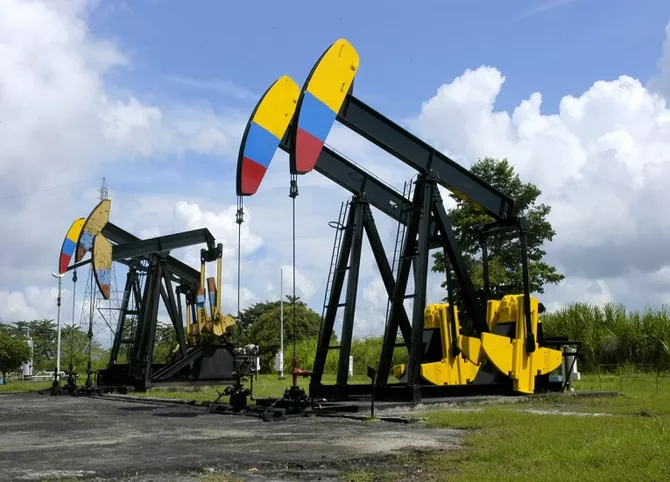
photo: CNN
This shift is significant because state-owned refineries were long considered the most “inertial” players, while rapid adjustments were typically associated with private companies. Now, however, movement is occurring through the state channel as well, meaning diversification is no longer a tactical response, but an element of the system. In practical terms, this gives India greater negotiating power on prices and reduces vulnerability to targeted restrictions: if insurance or freight costs spike sharply along a particular route, or if sanctions risks rise, the supply basket can be rebalanced more quickly.
The second line is Venezuela. Venezuelan crude itself is not new for India, but what matters now is how access to these barrels may be structured going forward. On January 13, 2026, Reuters reported that the state oil company PDVSA had begun rolling out production cuts after the effective resumption of exports under eased restrictions. The report emphasizes that exports are “returning” under U.S. oversight and points to signs of a potential large supply deal. For Indian buyers, the essence is straightforward: Venezuela remains a sanctions-sensitive zone, meaning any sustainability of supplies will depend on licenses, approvals, and political decisions in Washington.
This leads to the third key detail. On January 9, 2026, Reuters wrote that Reliance Industries is in talks to obtain U.S. authorization to resume purchases of Venezuelan oil. The report notes that Reliance had already imported Venezuelan crude in early 2025 under U.S. licenses and is ready to return to this feedstock provided sales to non-U.S. buyers are permitted. Technologically, its Jamnagar refinery complex is capable of processing heavy Venezuelan crude. If India’s largest private refiner is structuring supplies through a U.S. licensing window, it clearly demonstrates that diversification is driven not only by market logic but also by politics - in the sense that the sanctions regime is becoming part of the commercial architecture.
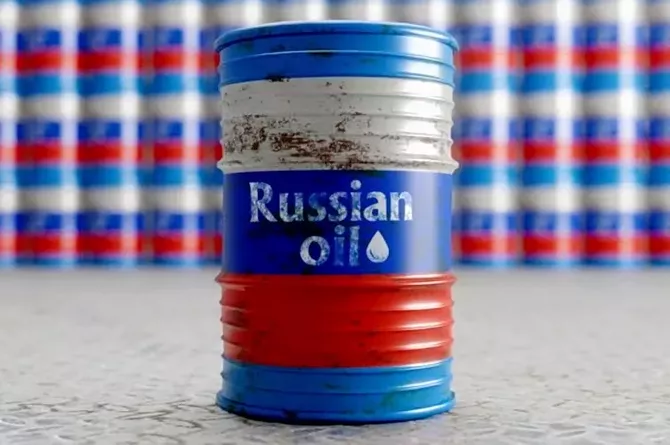
photo: CNN
At the same time, Washington is intensifying both public and behind-the-scenes pressure on buyers of Russian oil. Reuters reported back in 2025 that Donald Trump had again threatened India with substantial tariffs over its purchases of Russian crude. Indian government sources, however, emphasized that New Delhi does not intend to change course under pressure and considers energy supplies a sovereign decision. For India, this is a classic dilemma: Russian oil is often attractive in terms of price and terms, but the “risk premium” is rising, and uncertainty over secondary restrictions makes excessive dependence dangerous.
Against this backdrop, the logic of Indian companies is pragmatic. The issue is not necessarily about “leaving Russia” overnight. Rather, the goal is to create a portfolio in which the share of Russian barrels can be reduced without a shock to the domestic fuel market or a surge in costs. Purchases from Ecuador and Colombia, negotiations over Venezuela, and broader interest in alternatives serve as an insurance mechanism. They also strengthen New Delhi’s position in trade talks with the United States: the more India can demonstrate that it is not tied to a single source, the easier it becomes to negotiate tariffs, market access, and investment regimes.
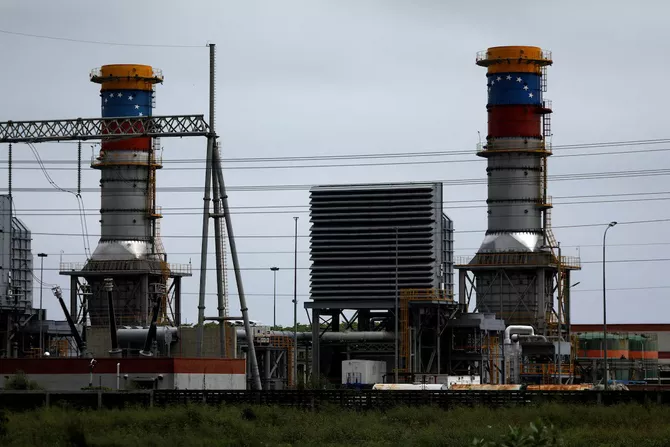
photo: Reuters
It is important to clarify that confirmed sources do not state that India has “closed the chapter on Russian oil” or that Moscow has already “lost India as a buyer.” On the contrary, Reuters recorded Indian officials’ position in the summer of 2025 that imports from Russia would continue despite threats. But the confirmed facts point to something else: the Indian market is building the infrastructure of choice and accelerating diversification. In this new configuration, the role of the United States is visible not because Washington is “selling oil to India,” but because it influences the access regime for Venezuelan supplies while simultaneously raising the political cost of purchasing Russian barrels.
The conclusion for 2026 looks as follows: India is not abandoning its strategy of “being friends with everyone,” but in oil it is increasingly operating under the formula of “depending on no one.” This means tougher bargaining with suppliers, a wider geographic reach, and a readiness to switch between routes - from Russia and the Middle East to Latin America. For Russia, this does not necessarily mean a collapse of exports to India tomorrow, but it is already a signal: the Indian market is becoming less guaranteed, while competition for it is becoming more politicized and more expensive.