There is a well-known Russian proverb: “A friend in need is a friend indeed.” It accurately captures the essence of true friendship. The idea is simple: when misfortune strikes and help is urgently needed, that is when you discover who among those around you is a genuine friend. A real friend is the one who comes to your aid despite difficulties, problems, or potential risks.
According to official rhetoric, modern Russia claims to have many friends around the world. At the same time, Russia presents itself as a friend and ally to numerous countries. Much of this “friendship” is expressed through military-technical cooperation and mutual assistance in defense and security.
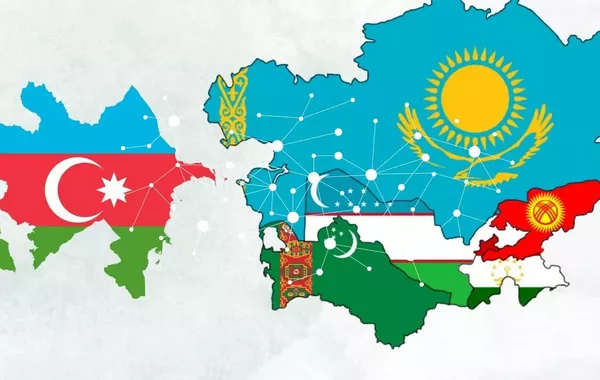
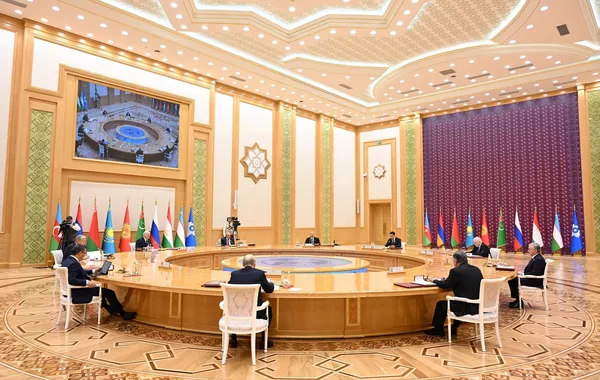
It is clear that Russia’s primary allies in this sphere are the member states of the CSTO. In addition to Russia itself, the organization includes Belarus, Kazakhstan, Kyrgyzstan, Uzbekistan, and Armenia. The logic is straightforward: in the event of a threat to any of these countries’ defense or sovereignty, they are to receive full military assistance, primarily from Russia. This is explained by Russia being the most militarily powerful state in the organization and, notably, a nuclear power.
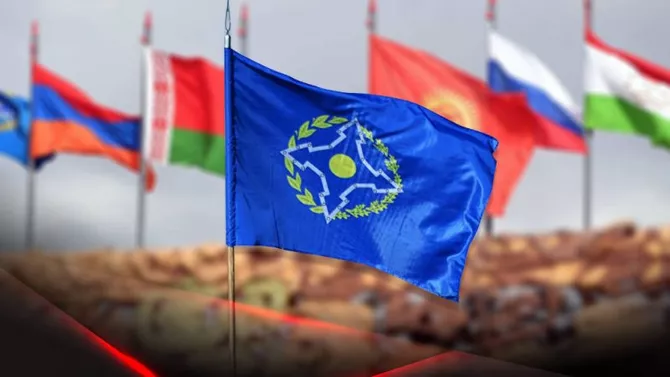
Photo: Wikimedia Commons
However, Russia’s military cooperation and defense assistance are not limited to the CSTO. Moscow has relevant agreements with Azerbaijan and India, as well as arrangements with North Korea and Vietnam. At various times, Russia also signed military cooperation agreements with Syria, Libya, and Sudan. Today, these countries’ political landscapes have changed significantly in terms of leadership, government, and ideology.
Russia also maintains defense-related agreements with Mali, the Central African Republic, the Democratic Republic of the Congo, Zimbabwe, Burkina Faso, and Togo, as well as with Nicaragua and Cuba. Agreements also exist with Venezuela and Iran.
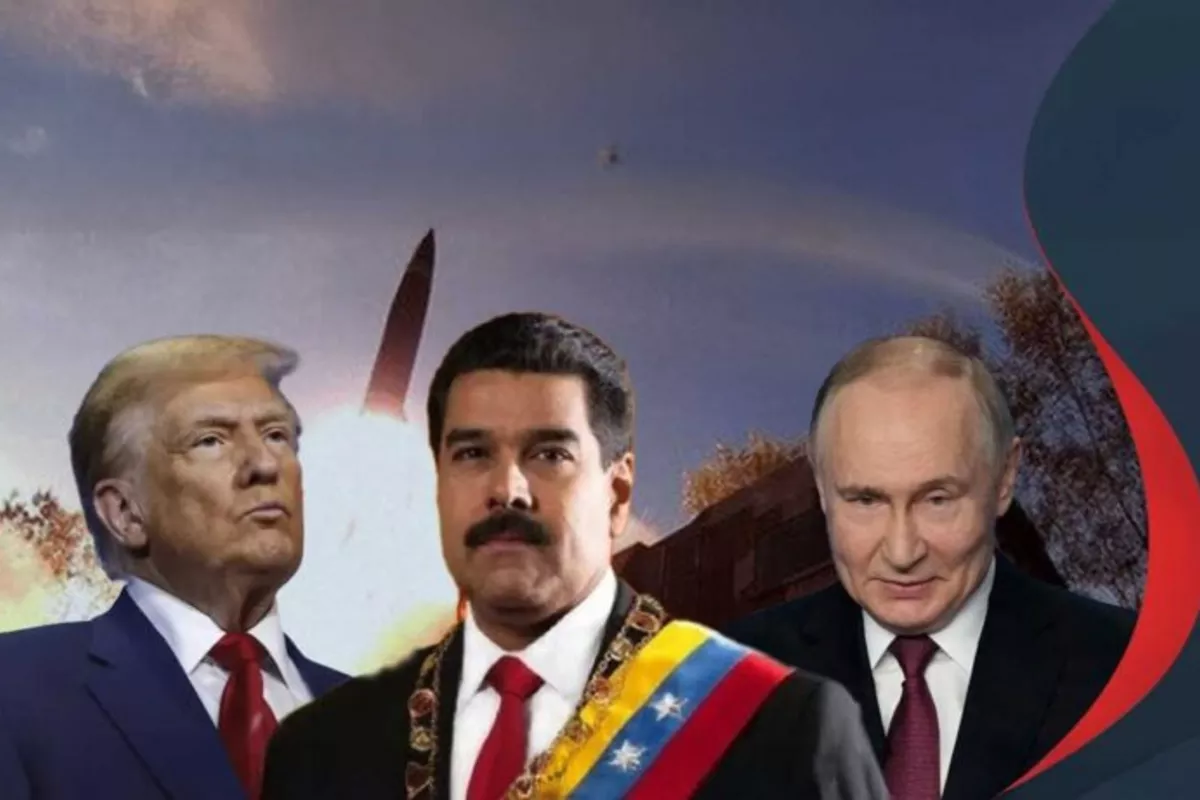
Mention of Venezuela immediately raises many questions. At one point, former Venezuelan President Nicolás Maduro repeatedly stated that cooperation with Russia in defense and security was developing at unprecedented speed. Leaders of both countries emphasized that bilateral friendship and strategic partnership were at exceptionally high levels.
Yet, as recent events demonstrate, this friendship and cooperation did not prevent Venezuela’s crisis. The reasons for this outcome have been widely discussed. The question now is different:
How will Russia act if one of its allies - or a country with which it has military-technical agreements - finds itself in a situation similar to Venezuela’s?
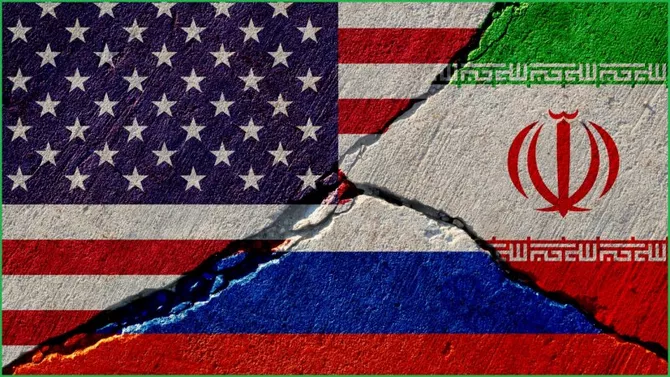
Photo: Shutterstock
Naturally, Iran comes to mind. The country faces potential strikes from the United States and, possibly, Israel. At the same time, Iran maintains a degree of military cooperation with Russia.
There is much discussion today about Iran’s situation, including statements from Russia. Russian officials have stated that Moscow will not send troops to Iran, as such direct assistance is not stipulated in any agreement between the two countries. Formally, this is true. But it cannot be ignored that military agreements between Russia and Iran do exist, and that mutual defense assistance is envisaged in one form or another.
The question is whether Russia would actually provide assistance if Iran were attacked. The risks are extremely high - for Iran, U.S. military bases in the region, and Israel. Serious risks also extend to the United Arab Emirates, Saudi Arabia, and other Persian Gulf countries. Entering this chain of risks with unpredictable consequences is clearly something Russia would prefer to avoid.
Similarly, Russia is unlikely to intervene in Cuba if the United States moves to establish full control over the island. Donald Trump has publicly declared such intentions, and signals suggest preparations are underway, despite Russia recently signing and ratifying a military cooperation agreement with Cuba.
This caution is understandable. Russia is already heavily burdened by military operations and expenditures in Ukraine. Cuba is geographically distant from Russia and extremely close to the United States. Engaging in a conflict with America in a region where it has overwhelming military superiority would be extraordinarily difficult, costly, and risky. The question arises: for what purpose? Such a confrontation could easily be “more trouble than it is worth.”
In the current global environment, Russian statements about direct and unconditional mutual defense assistance effectively apply only to North Korea. Moreover, North Korean soldiers have already participated in combat operations alongside Russia in Ukraine. At the same time, the full content of interstate military agreements is rarely disclosed to the public - confidentiality and secrecy remain standard practice.
Why does this matter? Because it has key implications for Russia’s relations with current allies and potential partners. The outcome could be critical not only for individual countries but for the entire world.
For Russia, demonstrating that it is a reliable and genuine friend is essential. If one of its allies faces a scenario similar to Venezuela’s, Moscow should provide support rather than allow the United States or others to take control simply because it serves their interests.
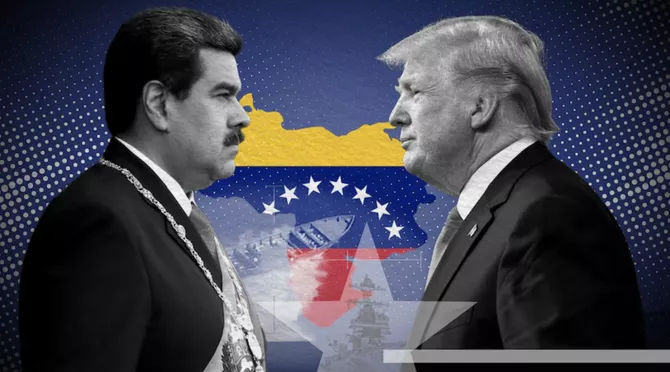
Photo: ABC News/Lindsay Dunbar
This also means Russia must be prepared for the repetition of a “Venezuelan scenario” elsewhere. Ideally, Russia could prevent such crises in advance by identifying countries at risk of U.S. aggression and strengthening their defense and security. In doing so, Moscow could prove itself a dependable partner, reinforcing its influence and credibility.
However, the United States is fully aware of this logic. Washington may seek to bring another friendly country under its control without resistance from Russia. If Moscow fails to act again, it would send a clear message: America remains the dominant global power, while Russia cannot be trusted and offers no practical value as an ally.
What does this imply? It suggests that the United States has both interest and intent in implementing such scenarios - taking control of one or more countries in a way that prevents Russian intervention.
The conclusion is clear: it is highly likely that the United States will attempt precisely this. The world may soon witness at least one conflict similar to Venezuela’s. For Russia, which needs to restore its reputation, the choice will be difficult: either prevent such a conflict or participate on the side of the country under American pressure.
One final question remains: can anyone truly imagine the consequences of a confrontation between U.S. and Russian interests over yet another country in yet another region, and what impact this could have on the entire planet?