Syria's Sharaa Back in Moscow: What to Expect From Talks With Putin
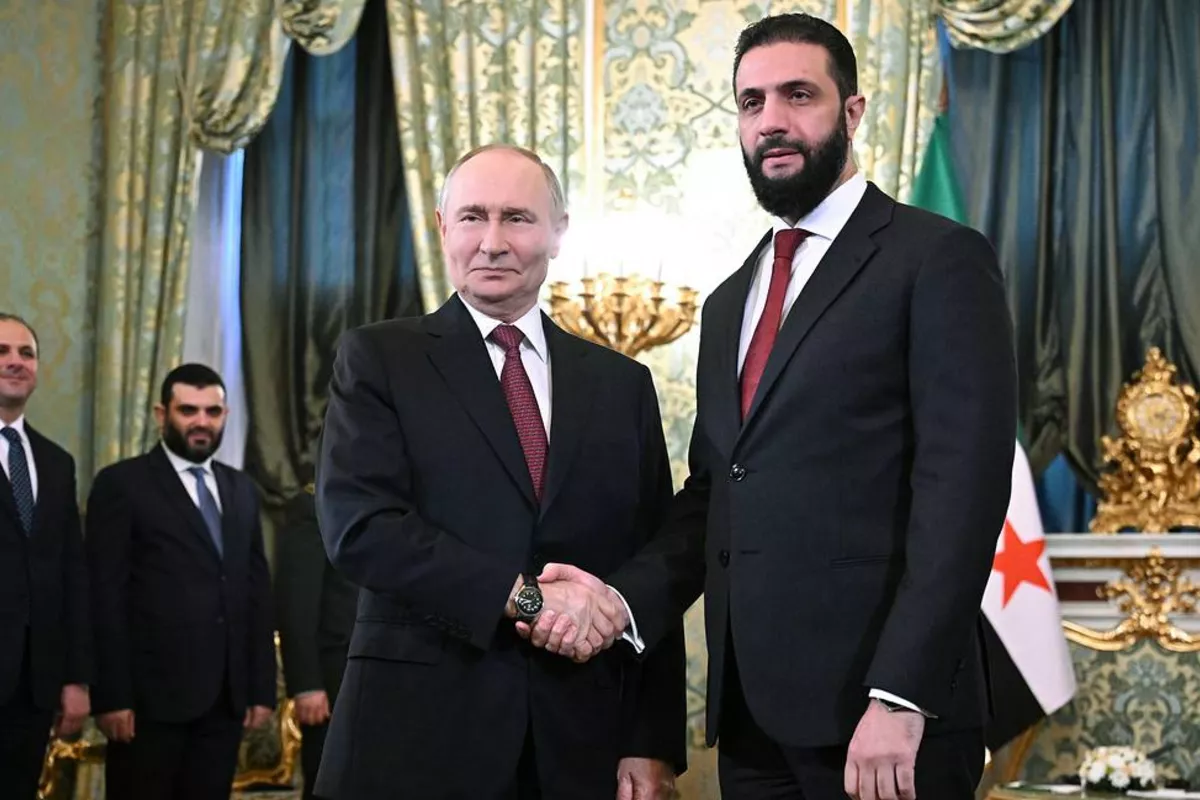
Syrian President Ahmed al-Sharaa’s trip to Moscow on Wednesday, January 28, 2026-his second visit since taking power-underscores a shift in the Syrian file toward a more explicitly transactional phase. Russia is no longer dealing with a familiar client in Damascus but with a leadership that overthrew Moscow’s long-time partner, Bashar al-Assad, and now manages relationships with several power centers, including the United States and Türkiye.
The Kremlin has said the talks will address the “state and prospects” of bilateral relations and the broader Middle East, with Russian media framing the visit as focused on the “transitional period.” Such language provides cover for Moscow to push its core priority-preserving its military presence-while giving Sharaa room to seek concessions tied to accountability, financial support, and political recognition from a power that once targeted his coalition.
The meeting builds on an established baseline. Putin and Sharaa first met in Moscow on October 15, 2025, in a summit billed as an effort to “reset” relations after Assad’s fall. That encounter set the parameters: Russia would treat Sharaa as the leader it must deal with, and Sharaa would accept Russia as an enduring factor in Syria’s landscape, particularly as the country remains fragmented, cash-strapped, and vulnerable to external pressure.
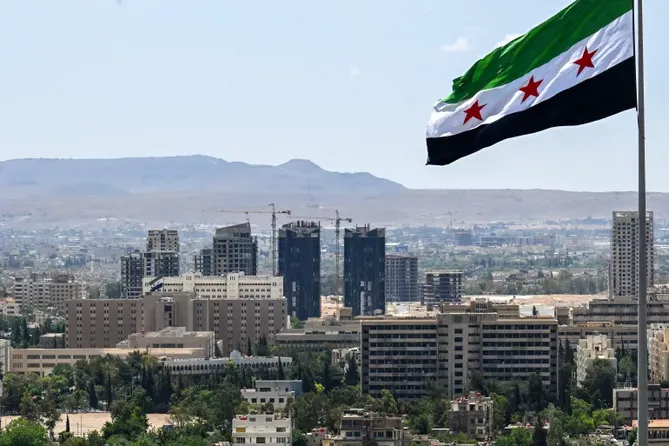
Photo: AFP
Why Moscow Still Matters to Damascus
For Sharaa, the visit is pragmatic rather than symbolic. Syria’s new leadership is seeking to break out of strategic isolation while navigating sanctions, donor caution, and the lingering effects of war. Engaging Russia-still a permanent member of the UN Security Council and a military actor on Syrian soil-signals that Damascus can manage complex relationships and deliver a degree of stability.
The domestic context also shapes the talks. Sharaa has been consolidating power and extending state control into previously contested areas, including regions in the northeast where U.S. interests remain significant. These developments strengthen his argument that he is rebuilding a unitary state and therefore deserves more predictable external support and fewer inherited constraints from the Assad era.
At the same time, Russia policy serves as a message to other capitals. By maintaining ties with Moscow, Damascus signals that it intends to keep multiple options open rather than aligning exclusively with any single bloc. The issue of Assad’s presence in Russia adds a personal and political dimension: calls for extradition resonate domestically and can be used as leverage in negotiations, even if Moscow is reluctant to comply.
What Russia is Likely to Seek
Since Assad’s fall, Russia’s ambitions in Syria have narrowed but not disappeared. Its primary objective is to retain practical leverage at minimal cost.
Central to this is safeguarding military access, particularly long-standing facilities such as the naval base at Tartus and the Hmeimim air base, along with the permissions that make them operational. For Moscow, these assets underpin its Mediterranean presence and broader claim to remain a Middle East actor, even as it is heavily engaged elsewhere.
Putin is also likely to emphasize themes of statehood and sovereignty, portraying Russia as a stabilizing force rather than a patron of a deposed ruler. This rhetoric overlaps with Sharaa’s own narrative of rebuilding the Syrian state. Beyond that, Moscow aims to avoid being crowded out by Western or Turkish influence. While Russia cannot match Gulf funding or Western financial tools, it can still offer security coordination, intelligence cooperation, and diplomatic cover at the UN.
Rather than sweeping agreements, the Kremlin is expected to favor modular, transactional arrangements-revised basing terms, limited economic projects, and symbolic political gestures-that keep Russia relevant without large commitments.
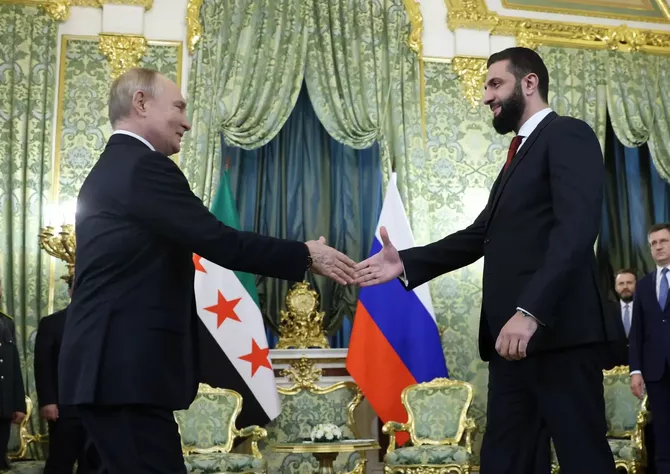
Photo: Getty Images
What Sharaa is likely to pursue
Sharaa’s priorities revolve around legitimacy, resources, and insulation from destabilizing pressures. He may accept a continued Russian presence, but only under terms that emphasize Syrian sovereignty-through revised agreements, clearer oversight, or reframing the mission in humanitarian or counterterrorism terms.
Economic relief is another key objective. Even modest Russian assistance-fuel, grain, spare parts, or targeted investment-can ease immediate pressures and signal momentum. Russian advocacy for sanctions relief or exemptions, even if limited, would also be valuable.
Politically, high-level engagement with Putin reinforces Sharaa’s status as Syria’s recognized head of state across major power centers. The Assad question remains a central lever: while extradition is unlikely, it can be used to extract alternative concessions, whether financial, legal, or symbolic.
Finally, with Syria’s security landscape still fluid, Sharaa may seek coordination mechanisms to reduce the risk of miscalculation as multiple foreign and local forces operate in close proximity.
What to watch after the talks
Both sides are likely to present the meeting as constructive, making the details-and the silences-especially telling. Carefully worded statements about stability and sovereignty may hint at continued Russian access to key facilities. Announcements of joint committees or working groups could signal renegotiation of inherited agreements. Limited economic packages would allow both sides to claim tangible gains, while muted handling of the Assad issue would suggest quiet bargaining rather than open confrontation.
Taken together, this second Moscow visit appears less about dramatic breakthroughs than about refining the terms of engagement. It reflects an evolving relationship in which Russia seeks to preserve influence and access, and Syria’s new leadership aims to extract maximum benefit while maintaining strategic flexibility in a crowded and uncertain regional environment.