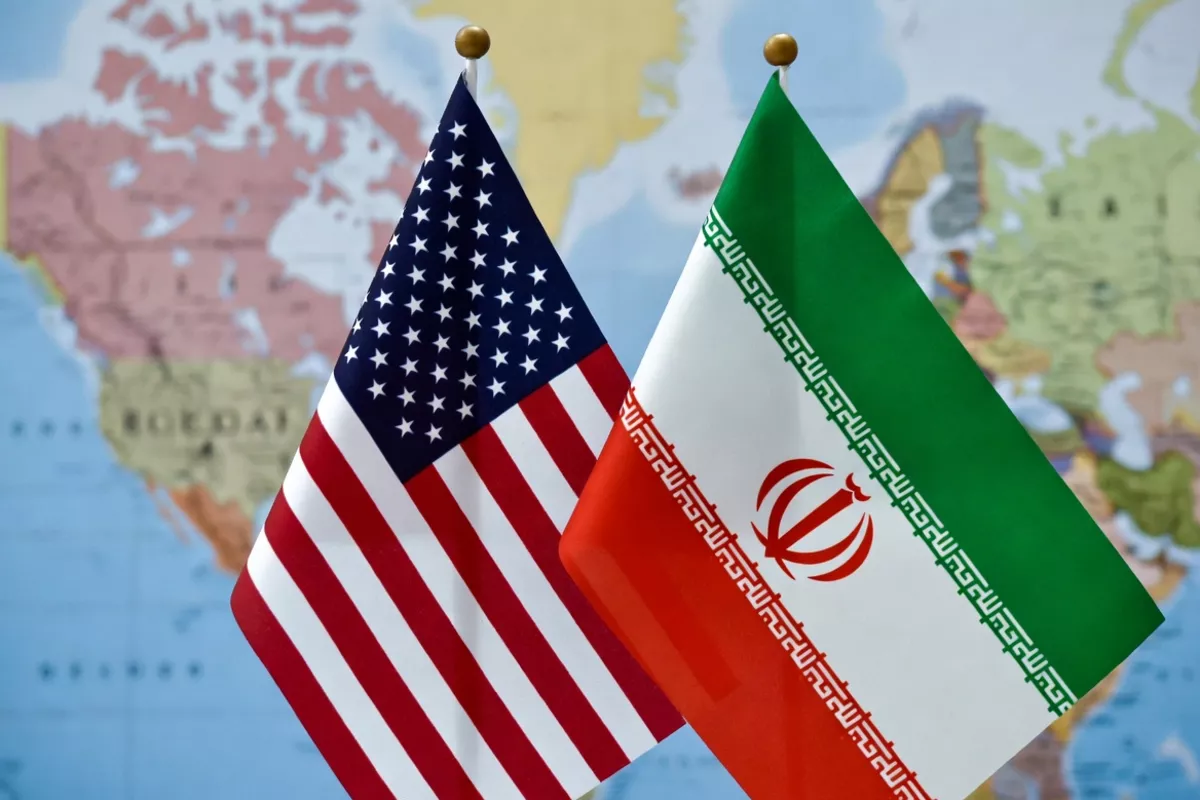
The recently announced ceasefire between the United States and Iran marks a critical pause in one of the most dangerous geopolitical confrontations in recent years. Brokered through intense diplomacy and framed as a temporary, two-week truce, the agreement has raised a fundamental question: can this ceasefire evolve into lasting peace, or is it merely a short-lived break in a deeply entrenched conflict?
To answer this, it is necessary to examine both the structural causes of the conflict and the broader implications for global security.
A Fragile Ceasefire by Design
The current ceasefire is inherently fragile. It is limited in duration, conditional in nature, and does not resolve the core disputes between the two sides. Reports indicate that hostilities have not fully ceased, with continued military actions across the region, including strikes in Lebanon and tensions in the Persian Gulf.
Moreover, the ceasefire was not designed as a comprehensive peace agreement but rather as a mechanism to prevent immediate escalation. Iran has maintained its capacity to resume military operations, including missile and drone attacks, while the United States has signaled readiness to re-engage militarily if negotiations fail.
This mutual readiness for renewed conflict underscores a key reality: the ceasefire is a tactical pause, not a strategic resolution.
Core Issues Remain Unresolved
At the heart of the Iran-US conflict lie several unresolved issues:
- Iran’s nuclear and missile programs
- US sanctions and economic pressure
- Iran’s regional influence, particularly through allied groups
- Control and security of the Strait of Hormuz
Negotiations are complicated by fundamentally opposing demands. Iran insists on sovereignty and sanctions relief, while the United States demands limitations on nuclear capabilities and regional activities.
Such divergences make a lasting agreement difficult. Without compromise on these core issues, the ceasefire risks collapsing under the weight of unresolved tensions.
The Role of Regional Actors
Another factor undermining the ceasefire’s durability is the involvement of third parties, particularly Israel and regional armed groups.
Despite the truce, Israel has continued military operations in Lebanon, which Iran considers a violation of broader de-escalation efforts. This has already triggered warnings from Tehran of potential retaliation.
The Middle East’s complex network of alliances and proxy actors means that even if the US and Iran reach an understanding, conflicts involving their allies can reignite broader hostilities.
Energy Security and the Strait of Hormuz
One of the most immediate global impacts of the conflict-and the ceasefire-is on energy security.
The Strait of Hormuz, through which about one-fifth of the world’s oil supply passes, has been a central flashpoint. Even partial disruptions have caused significant volatility in global energy markets.
While the ceasefire has led to a temporary drop in oil prices and eased market fears, the situation remains unstable. Shipping routes are still constrained, and the risk of renewed disruption persists.
This highlights a broader concern: global energy systems remain highly vulnerable to geopolitical shocks in the region.
Economic and Market Reactions
Financial markets have reacted positively to the ceasefire, with stock indices rising and oil prices falling. However, analysts caution that this relief may be short-lived.
The conflict has already caused what has been described as one of the largest disruptions in global energy supply in history, with widespread economic consequences including inflationary pressures and supply chain disruptions.
If the ceasefire collapses, markets could quickly reverse course, leading to renewed volatility and economic uncertainty worldwide.
Implications for Global Security
The Iran-US conflict-and the current ceasefire-has far-reaching implications beyond the Middle East.
1. Increased Risk of Regional War
The involvement of multiple countries, including Gulf states, raises the risk of a broader regional conflict. Missile strikes and attacks on infrastructure have already demonstrated how quickly tensions can escalate.
2. Threats to Global Trade
Disruptions in the Strait of Hormuz affect not only energy supplies but also global shipping routes, impacting trade flows between Asia, Europe, and beyond.
3. Rise in Asymmetric Warfare
Iran’s use of drones, missiles, and proxy groups reflects a shift toward asymmetric warfare, complicating traditional deterrence strategies and increasing unpredictability.
4. Erosion of International Consensus
Global responses to the conflict have been divided, with major powers disagreeing on how to manage the crisis. This weakens coordinated efforts to ensure stability.
Can the Ceasefire Become Lasting Peace?
For the ceasefire to evolve into a lasting peace, several conditions must be met:
- Sustained diplomatic engagement beyond the current two-week window
- Mutual concessions on key issues such as sanctions and nuclear policy
- Inclusion of regional actors in broader negotiations
- Security guarantees for critical infrastructure and shipping routes
At present, these conditions remain uncertain. The short duration of the ceasefire and the lack of trust between the parties make a long-term resolution difficult.
Conclusion
The Iran-US ceasefire represents an important step away from immediate escalation, but it is far from a durable peace agreement. Its temporary nature, combined with unresolved strategic disputes and ongoing regional tensions, suggests that the risk of renewed conflict remains high.
For global security, the stakes are enormous. The outcome will influence energy markets, regional stability, international trade, and the broader geopolitical order. Whether this ceasefire becomes a foundation for peace or merely a pause before further conflict will depend on the willingness of all parties to move beyond confrontation toward meaningful compromise.
At this stage, the ceasefire should be viewed not as a resolution, but as a narrow window of opportunity-one that could either reshape regional dynamics or close quickly, with significant consequences for the world.