Azerbaijan and Armenia Step Up Normalization via Border Talks
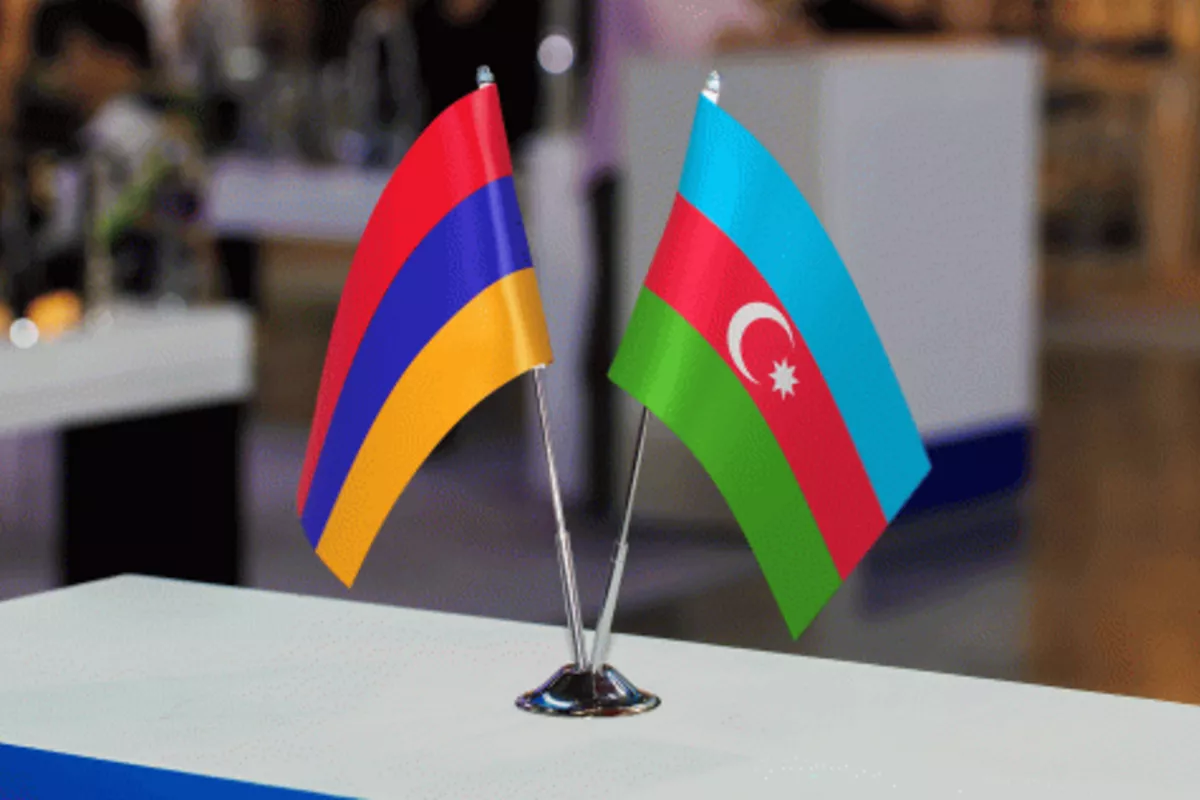
The recent meetings between Azerbaijan and Armenia are being assessed as an important stage in the normalisation of relations. These discussions signal a transition from political statements to more practical and technical cooperation. In particular, the talks on the delimitation of the state border indicate that the parties are focused on achieving concrete results.
Within the delimitation process, primary attention has been directed toward defining technical mechanisms. The harmonisation of maps, clarification of border lines, and preparation of phased implementation plans constitute the core components of this process. Although these issues may appear technical on the surface, they are of decisive importance for the overall success of the peace process.
At the same time, to translate the agreements reached into practical outcomes, it is essential to strengthen joint commission activities and carry out on-the-ground measurement and monitoring. These steps could ensure that agreements reached on paper are transformed into real geographical boundaries.
Prospects for economic cooperation are also in focus. The expansion of transit opportunities not only increases mutual benefits but also contributes to building trust. However, the key condition for sustainable cooperation remains the signing of a peace agreement. Such a document could form the foundation for stability and long-term development in the region.
Fuad Abdullayev, a leading advisor at the Center for Analysis of International Relations, described the latest meetings between Azerbaijan and Armenia as an important continuation of technical dialogue aimed at normalising relations.
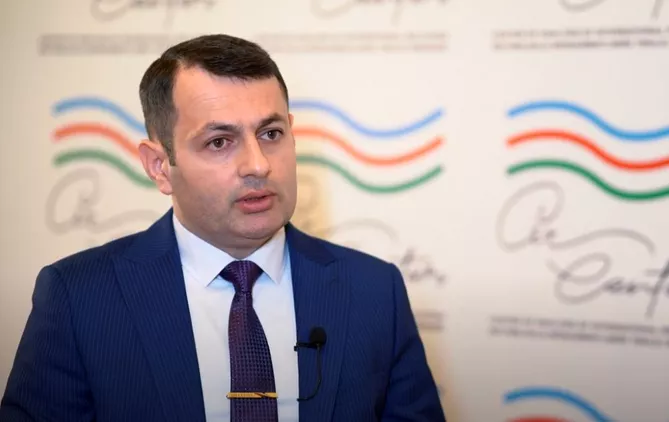
Photo: Fuad Abdullayev, a leading advisor at the Center of Analysis of International Relations
In a statement to The Caspian Post, he noted that such meetings demonstrate a shift from the stage of political declarations to more practical and applied processes. According to the expert, the main subject of the discussions was issues related to the delimitation of the state border.
“The focus was primarily on defining the technical implementation mechanisms of the delimitation process,” Abdullayev emphasised, adding that the parties discussed details such as the harmonisation of maps, determination of specific border lines, and the phased execution of the process.
“Although these issues may appear technical in nature, they are in fact of decisive importance for the success of the overall process,” he stressed.
The expert stated that, in order for delimitation agreements to yield tangible results, it is necessary to take parallel steps in the next stages. In this context, the preparation of technical documentation for specific sections of the border and their approval by the relevant authorities of both countries may come to the forefront.
According to him, intensifying the work of joint commissions, as well as conducting new measurement and monitoring activities in the field, will play a key role in translating agreements into actual geographical lines.
“Bringing this process to the agenda also increases the likelihood of new economic realities emerging in the region,” Abdullayev noted, adding that Azerbaijan has already opened certain transit opportunities for Armenia, and that the practical benefits of these steps are already being observed.
In the expert’s opinion, expanding transit opportunities not only enhances mutual economic benefits but also helps build trust between the parties. “Such practical cooperation mechanisms may also lead to changes at the societal level and, in the long term, contribute to a reduction in hostile rhetoric,” he said.
At the same time, Abdullayev stressed that the formation of a fundamental political framework is essential for sustainable economic cooperation. According to him, the signing of a peace agreement between Azerbaijan and Armenia is of decisive importance in this regard.
“The signing of the initialled agreement could establish a legal and political framework and create a foundation for economic cooperation,” he said.
The expert believes that the upcoming parliamentary elections in Armenia could also significantly influence this process. “The election results will determine whether the country supports a course of stability and economic and trade cooperation with its neighbours or continues a more confrontational approach,” he added.
In conclusion, Abdullayev noted that for full-scale economic cooperation, it is essential to eliminate territorial claims against Azerbaijan in Armenia’s legislation, particularly in its Constitution. “Only after resolving such fundamental issues can matters such as the full opening of transport and communication routes, the creation of an investment environment, and integration into regional projects gain real substance,” he pointed out.