Victory Day and the Challenge of Reconstruction in Azerbaijan
On November 8, Azerbaijan celebrates victory in the 2020 war and the recapture of Shusha. The "Great Return" program links the reconstruction of the territories to the prospects for peace and cooperation in the South Caucasus.
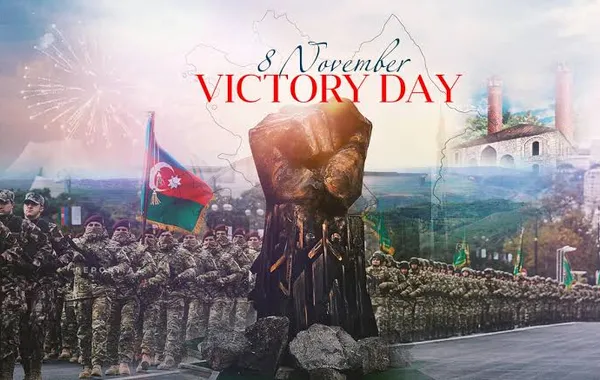
November 8, Victory Day, is a date every Azerbaijani holds dear, a memory etched in history and a milestone achieved with intense determination, sacrifice, and suffering. This day commemorates the end of the 44-day Patriotic War of autumn 2020, during which Azerbaijan reconquered territories occupied for nearly thirty years, restoring the fundamental rights of hundreds of thousands of refugees and internally displaced persons. This is not just a victory on the battlefield, but a return to real peace and cooperation, essential conditions for stability and progress throughout the region, according to InOltre.
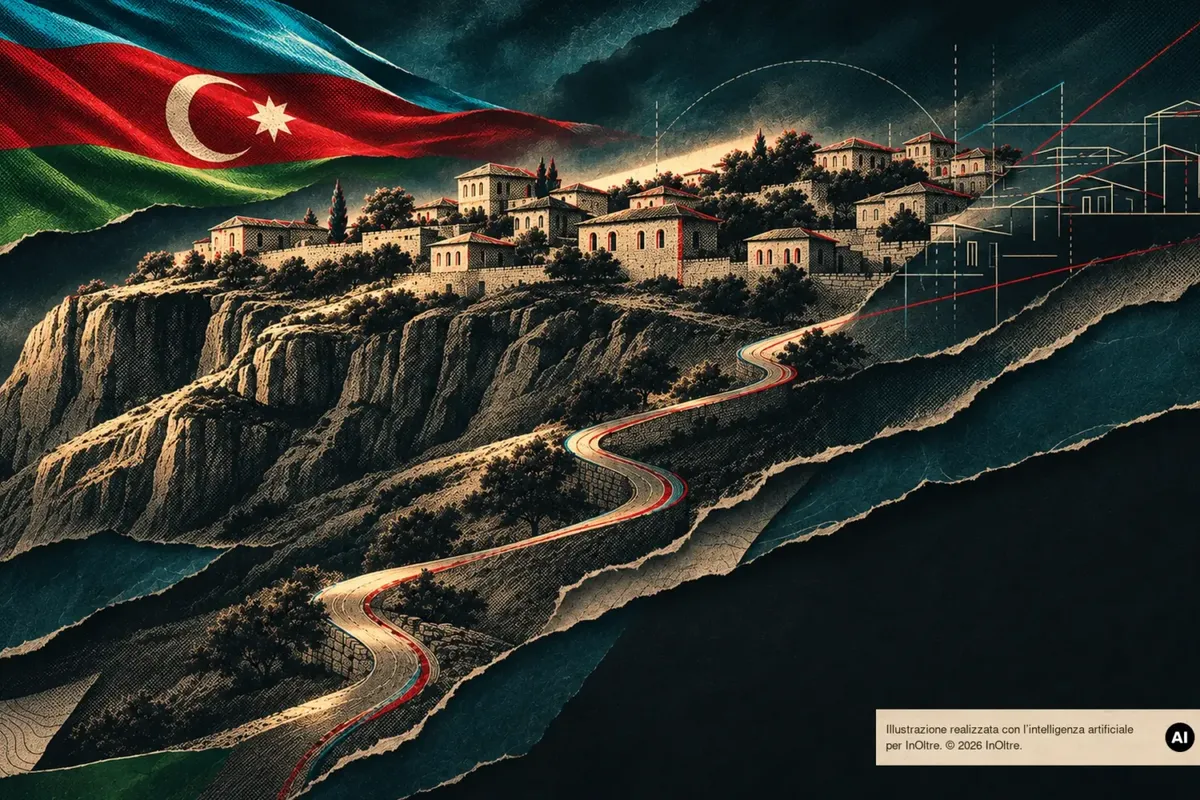
The city of Shusha, a pearl of Azerbaijan's culture and history, symbolically represents the heart and soul of the nation. Its liberation on November 8, 2020, marked the culmination of this struggle, the result of the courage and unity of people who never accepted illegal occupation. Shusha is much more than just a town. The city has become a symbol of cultural heritage, beauty, and pride, its return to the homeland representing a moral redemption as precious as sovereignty over the territory itself.
Over the past decades, despite constant dedication to a negotiated peace process, long years of diplomacy have failed to yield the desired results, due to a persistent Armenian stance solely focused on maintaining the status quo. In this historical context, the decisive role played by the President of the Republic of Azerbaijan, Ilham Aliyev, is crucial. His determined leadership, both militarily and diplomatically, has steadfastly guided the nation, enabling a historic victory and the implementation of UN Security Council resolutions that had gone unheeded for decades.
In the post-war period, President Ilham Aliyev placed the promotion of the peace agenda at the center of the country's strategic policy. Azerbaijan has spearheaded concrete initiatives to ensure lasting stability in the South Caucasus, transforming past wounds into opportunities for regional cooperation, infrastructure development, and the integration of transcontinental transport corridors.
Today, in the Garabagh region and eastern Zangezur, the memory of the sacrifice of heroes and martyrs is being translated into a massive reconstruction effort. With the allocation of approximately $15 billion since 2020, remnants of war clearance activities, the construction of cutting-edge infrastructure such as highways, international airports, and green energy networks, and the launch of the " Great Return " program are restoring daily life to the liberated territories, facilitating the return of more than 1,1 million people to their homes.
To give a concrete idea of the scale and numbers, the mine clearance project involves over 300.000 hectares of land. Nearly 100.000 people already live, study, and work in the liberated territories. Nearly 1.500 kilometers of roads have been built, and three international airports have been inaugurated: Fuzuli, Zangilan, and Lachin. Furthermore, 40 schools and 20 healthcare facilities have become operational, and 600 hectares of forest have already been reinstated as part of environmental restoration. Garabagh is now a hub of modernity, sustainability, and shared peace prospects for the entire region.