Azerbaijan–Serbia Relations: Strategic Alignment Beyond Traditional Diplomacy
In the geopolitical landscape of Southeast Europe, the bilateral relationship between Azerbaijan and Serbia has evolved far beyond traditional diplomatic engagement, developing into a partnership with strategic depth.
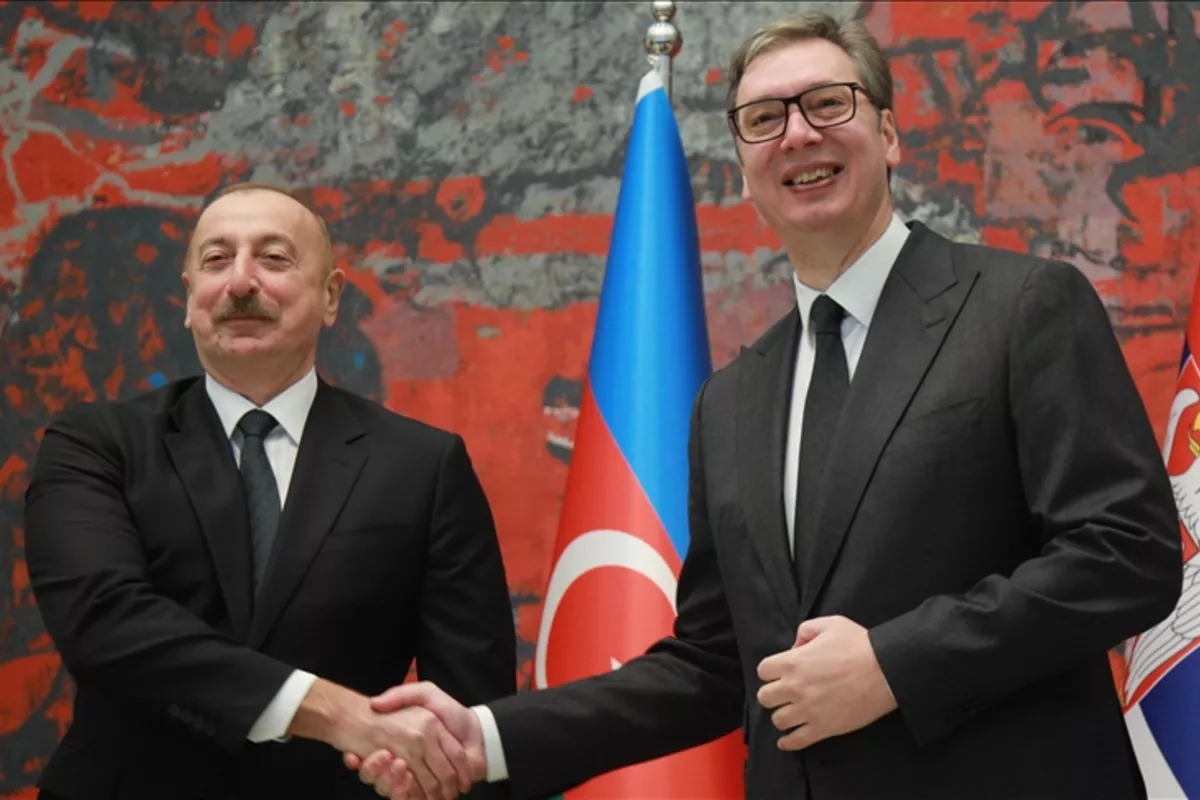
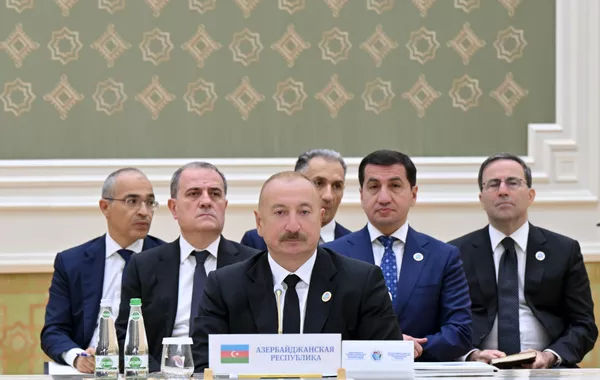
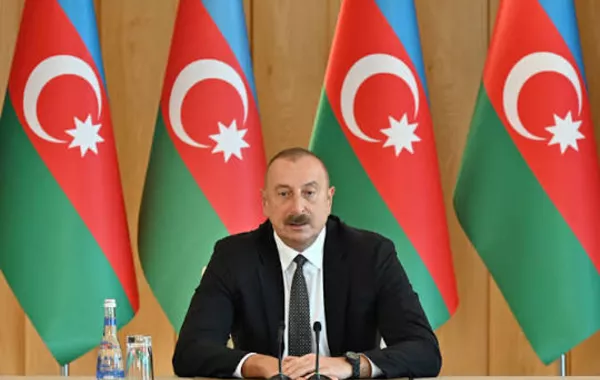
Recent statements by Azerbaijan’s President Ilham Aliyev during his February 15 visit to Belgrade underscore both the normative and practical foundations of this growing cooperation. Particularly, the congratulatory message to Serbia on its Statehood Day highlighted a shared commitment to state sovereignty as a central principle guiding both nations’ foreign policies.
President Aliyev’s emphasis on “statehood” reflects not merely rhetorical diplomacy but a convergence in the philosophical and institutional understanding of sovereignty. In contemporary international relations, sovereignty embodies the independence of political will, the capacity to make strategic decisions free from external interference, and the institutional safeguarding of national interests. Within this framework, the Azerbaijan-Serbia partnership demonstrates a profound structural alignment.
Despite their location in distinct civilizational and geopolitical zones, Azerbaijan and Serbia share comparable historical trajectories. Both states have navigated the legacies of imperial domination, endured periods of constrained sovereignty, and been subjected to regional power dynamics that tested their independence. Such experiences have transformed sovereignty from a formal attribute into a strategic value central to national identity and policymaking.
Serbia’s historical struggle for independence, particularly from the 19th century onward, cemented sovereignty as a cornerstone of its national identity. The phased separation from the Ottoman Empire, subsequent international recognition, and the challenges of operating within the federative structure of Yugoslavia collectively reinforced the principle of territorial integrity as both a strategic and psychological imperative. The disintegration of Yugoslavia and subsequent geopolitical shifts in the Balkans, coupled with selective application of international norms, have further heightened Serbia’s sensitivity to sovereignty issues. Its position on Kosovo exemplifies this principle: the focus is not only legal recognition but the normative framework underpinning state legitimacy.
Azerbaijan’s experience resonates with this perspective. During the three-decade-long occupation of its territories, Azerbaijan consistently invoked international law, demanded implementation of UN resolutions, and presented territorial integrity as an inviolable principle. Post-conflict efforts to restore full de facto and de jure sovereignty reinforced the practical application of international legal norms. Similarly, the ineffectiveness of mediating bodies such as the OSCE Minsk Group, and the selective enforcement of UN resolutions, underscored the necessity for Azerbaijan to rely on its internal capacities and diplomatic agility.
Serbia’s support for Azerbaijan’s territorial integrity reflects a normative understanding of sovereignty’s universality. Likewise, Azerbaijan’s principled stance on Serbia’s territorial issues creates a mutually legitimizing framework. Bilateral relations are thus grounded in a shared philosophy of statehood, where national interests guide policy decisions across diplomacy, economics, and international forums.
Leadership emerges as a crucial variable in both contexts. In semi-peripheral states like Azerbaijan and Serbia, strategic direction is often determined by the capacity of national leaders to formulate clear priorities, manage risks, and assert national interests effectively. Serbia’s recent development trajectory demonstrates how political leadership can synchronize institutional mechanisms with strategic objectives, facilitating economic growth, infrastructure modernization, and social stability despite limited natural resources. Similarly, Azerbaijan leverages energy resources strategically, coupling them with diversified diplomatic engagement across Europe, Asia, and regional frameworks.
Both nations also exhibit a pragmatic approach to integration and diplomacy. Serbia navigates EU accession while maintaining diversified international relations, preserving sovereignty and policy flexibility. Azerbaijan balances multilateral engagement with regional and global powers, advancing a multidirectional diplomacy model. In both cases, leadership, strategic vision, and institutional coherence underpin political stability and sustainable development.
Azerbaijan-Serbia relations are therefore not shaped by ideological alignment or traditional bloc politics but by a shared philosophy of governance and statehood. Concepts such as democracy, development, and integration are interpreted through the lens of historical experience and domestic evolution, emphasizing institutional stability, social resilience, and selective, context-driven integration. This pragmatic alignment underlies a strategic partnership that is personal yet institutionalized, principled yet flexible.
In conclusion, the Azerbaijan-Serbia partnership exemplifies a model of strategic cooperation rooted in shared political philosophy rather than ideological affinity. By emphasizing sovereignty, statecraft, and pragmatic governance, both nations have built a bilateral framework that is sustainable, resilient, and poised for long-term strategic collaboration.
See the original article here.