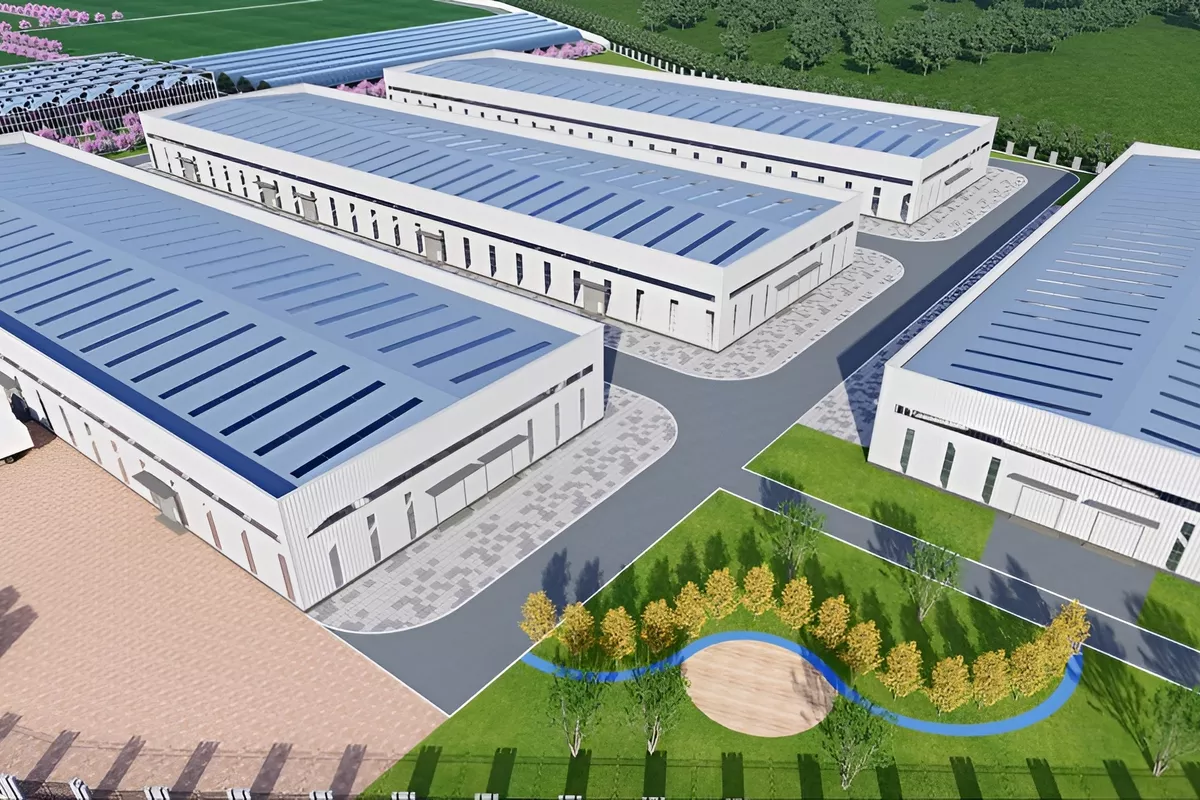
China is expanding educational ties with Central Asian countries. Kazakhstan and China launched a joint Center of Hydrogen Technologies at Kazakh National University and have started building a joint Agricultural Technopark at North Kazakhstan State University, Kazinform reports.
Uzbek officials report that in the first two months of 2026, nearly 4,000 Uzbek citizens traveled abroad for educational purposes, including 252 to China, a 24 percent decrease compared to the same period last year (the key destination was Russia with 989 students). An Uzbek delegation also signed an MoU with Chongqing University aimed at implementing advanced solutions in architecture and engineering, as well as developing mechanisms for technology transfers, according to UzDaily.uz. Kyrgyzstan’s minister of science, higher education, and innovation said that more than 2,500 Kyrgyz citizens are studying at Chinese universities while over 1,500 Chinese nationals are studying in Kyrgyzstan. Tajikistan’s Academy of Sciences dispatched staff members to China for fellowships at the Xinjiang Astronomical Observatory of the ChineseAcademy of Sciences, according to Khovar. Turkmenistan, meanwhile, hosted a delegation from the Beijing University of Chinese Medicine. The delegation met with Oguljahan Atabayeva, the daughter of Turkmenistan’s paramount leader, Gurbanguly Berdymukhamedov, and sister of the nominal president, Serdar Berdymukhamedov, to discuss expansions in healthcare and the integration of traditional Chinese medicine into the Turkmen healthcare system, according to Turkmenistan’s government portal.
Kazakhstan
Kazakhstan’s sovereign wealth fund, Samruk-Kazyna, issued Central Asia’s first “panda bonds,” or yuan-denominated debt, totaling 3 billion yuan (about $440 million) on China’s market. The three-year bonds were priced at a favorable annual yield of 2.18 percent.
Chinese and Uzbek companies continue to enter the Kazakh market. The number of Chinese companies or joint ventures grew from 9,252 to 9,960, and Uzbek from 8,840 to 10,238 during the first quarter of 2026, while the number of businesses owned by individuals and entities from most other countries either shrank or, at best, showed low-single-digit growth.
Traffic along the Middle Corridor continues to speed up. A total of 85 trains were dispatched from Xi’an, one of China’s largest international logistics and transport hubs, to Europe, during the first quarter of 2026, marking an increase of 150 percent year-on-year. Transit time has been reduced to 15 days from 20 days since last year, reports Xinhua, China’s official news agency.
Atasu Group, a major Kazakh transport and logistics group, and Xinjiang International Land Port Group, a key Chinese state-owned logistics operator, established a joint venture, Xinjiang Eurasian Connect International Logistics Co Ltd, that will utilize the advantages of the Xinjiang Free Trade Zone to develop transport corridors between China, Central Asia, and Europe, reports Forbes.kz. China maintains a controlling 51-percent stake in the venture.
Maten Petroleum, an oil producer in Kazakhstan’s Atyrau region owned by China’s Geo-Jade Petroleum, concluded a $250 million agreement to supply crude oil to Mercuria Asia Resources Pte. Ltd, a major international energy trader, reports Kursiv.
Subsidiaries of Kazakhstan’s national oil and gas company, KazMunayGas, and a Chinese energy giant, China National Offshore Oil Corporation, signed a deal for joint projects in drilling and well services, as well as for technology transfer. The announcement did not specify the value of the contract or provide any specifics on potential joint projects.
A Kazakh subsidiary of another Beijing-owned energy giant, China National Petroleum Corporation (CNPC), signed a contract with the Kazakh government to invest 3.5 billion tenge (around $7 million) in geological exploration at the Severny-1 subsoil block in the Aktobe region.
Kyrgyzstan
Kyrgyz President Sadyr Japarov mentioned China as a cautionary tale of soil degradation, telling regional officials to preserve irrigated land if Kyrgyzstan is to avoid the PRC’s plight, reports Kaktus Media.
The construction of the China-Kyrgyzstan-Uzbekistan railway continues stirring controversy in the Kyrgyz parliament. After MP Altynbek Kylychbayev raised concerns earlier this month over the issues of eminent domain and fair compensation for confiscated property, MP Bekmyrza Cholponbai uulu seconded his concerns, and added allegations of environmental damage, calling on the Kyrgyz government to better monitor the project, reports 24.kg.
Tajikistan
The Tajik government has set a quota for 2026 of 5,500 foreign workers. Almost two-thirds of the guest worker slots (3,400 individuals) are set aside for Chinese nationals, according to Pamir Inside.
Turkmenistan
China’s vice premier of the State Council visited Turkmenistan in mid-April, meeting with the ruling Berdymukhamedov father-son tandem, and attending a groundbreaking ceremony for the fourth phase of development of the Galkynysh gas field by China’s CNPC, reports Xinhua.
Disruption of trade with Iran due to the ongoing war is prompting a surge in demand in Turkmenistan for imports from other countries, including Chinese-made clothing, footwear, and household goods, reports the Chronicle of Turkmenistan.
Uzbekistan
A high-profile delegation of the Chinese People’s Political Consultative Conference, an advisory body that helps shape government policy on social and political issues, visited Uzbekistan, according to official news agency UzA.uz. The report mentioned only a delegation meeting with the Uzbek minister of health but added that the delegation had a much broader agenda. The visit appears to be part of Beijing’s coordinated and persistent efforts to directly influence Uzbekistan’s domestic political and economic agenda.
China’s electric vehicle producer Leapmotor intends to start EV production in Uzbekistan, and the company’s vice president met with Uzbekistan’s deputy minister of investment, industry, and trade to discuss the project.