Turkic States See Robust Economic Expansion in 2025
Azerbaijan’s Center for Analysis of Economic Reforms and Communication (CAERC) has released the Turkic States Quarterly Economic Outlook covering the third quarter of 2025.
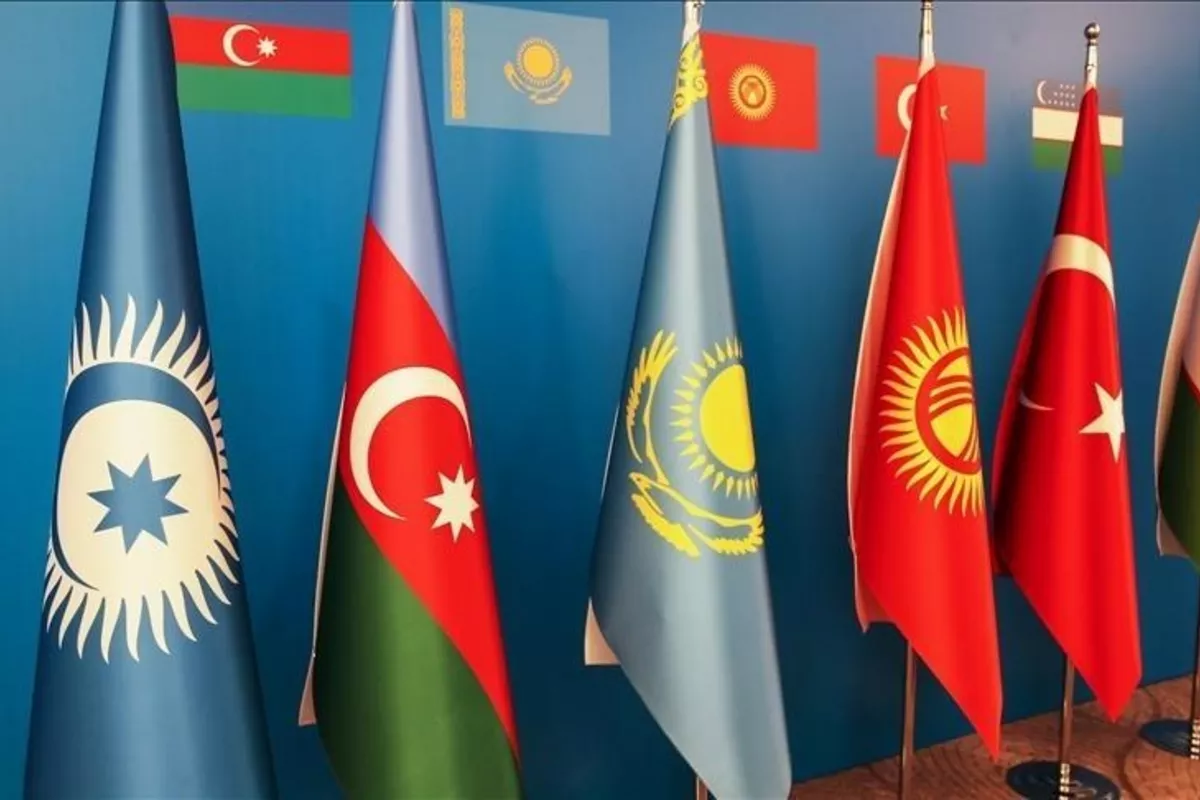
Published in eight languages, the report offers an in-depth review of economic performance, key trends, and forward-looking assessments across the eight member countries of the Organization of Turkic States (OTS), The Caspian Post reports, citing local media.
The report is prepared based on data submitted by the national focal points of the OTS Statistical Committee Working Group.
During January-September 2025, the economies of the Turkic states demonstrated strong growth outperformance and sustained external integration amid a moderating global environment. Average GDP growth across the Turkic States reached 6.86%, more than double the estimated global growth rate of about 3.2% (IMF). In nominal terms, combined GDP amounted to approximately USD 1.79 trillion, corresponding to around 2.0% of estimated global GDP for the first nine months of 2025. Growth remained broad-based across the region, supported by investment activity, infrastructure development, and non-oil sector expansion, despite heterogeneous country-level dynamics.
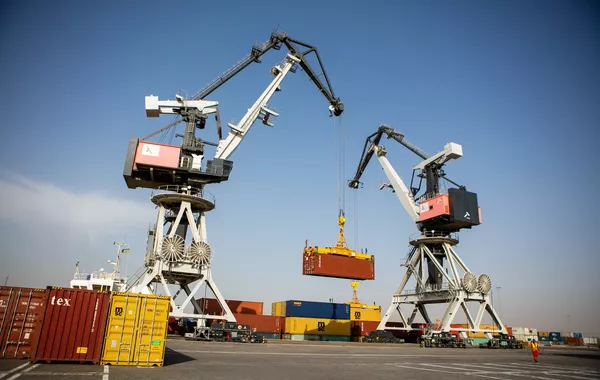
External trade remained a key engine of economic activity. Total trade turnover reached USD 958.5 billion, equivalent to about 3.6% of estimated global trade in January-September 2025 (UNCTAD-based estimate), underscoring the region’s above-average trade openness relative to its economic size. Energy exporters maintained positive trade balances, while strong import demand in larger economies reflected investment and consumption needs. The data highlight both the resilience of OTS trade flows and the importance of continued export diversification and value-added upgrading to strengthen external positions over the medium term.
Macroeconomic expansion was accompanied by rising investment, expanding financial intermediation, and sizable fiscal activity. Fixed capital investment increased across most member states, while banking sector assets exceeded USD 1.05 trillion in Türkiye and grew at double-digit rates in several other OTS economies. Public revenues rose in nominal terms across the region, enabling continued spending on infrastructure, digitalization, and green energy, while fiscal stances diverged depending on country size and resource endowments. At the same time, green energy deployment, digital public services, and strategic connectivity initiatives-particularly along the Middle Corridor-advanced measurably, reinforcing the Turkic States’ role as a growing hub between Asia and Europe.
Overall, the strategic outlook for the OTS region in late 2025 remains favorable, with growth expected to stay robust relative to global trends. The combination of high trade integration, corridor-led connectivity, and ongoing green and digital transformation provides a strong foundation for medium-term expansion. Realizing this potential will depend on effective policy coordination, disciplined fiscal and financial management, and sustained implementation of structural reforms that convert investment and connectivity into lasting productivity gains.