Source: Shutterstock
China's state-owned Sinopec Corp, the world's largest refiner, has significantly increased its purchases of Russian Far East crude to offset reduced supplies from the Middle East following the Iran war, according to several trade sources and ship-tracking data.
The additional imports of Russian oil, which is priced lower than comparable grades from Brazil and West Africa, have enabled Sinopec to maintain relatively stable refining throughput while continuing to export surplus fuel at favorable margins. This comes despite China's decision in March to restrict overseas fuel exports in an effort to safeguard domestic supplies amid trade disruptions linked to the conflict, The Caspian Post reports, citing Reuters.
According to multiple sources familiar with the transactions, who spoke on condition of anonymity, Sinopec has purchased between 30 and 40 cargoes of Russia's Eastern Siberia-Pacific Ocean (ESPO) blend for delivery between July and September. The shipments amount to approximately 241,000 to 320,000 barrels per day, representing about 5% to 6% of the company's 5.2 million bpd refining capacity.
A Sinopec representative declined to comment on the company's operational activities, saying the firm does not publicly discuss such matters.
Emma Li, lead China analyst at ship-tracking firm Vortexa Analytics, said Sinopec's crude demand appears to have reached a low point following the easing of restrictions on fuel exports, although the recovery has remained selective.
China, the world's largest crude importer, sharply reduced its overall oil purchases after the outbreak of the Iran war. Crude imports in June fell by 41% compared with the same month a year earlier. However, Beijing has eased restrictions on fuel exports for July and August.
According to Li, China's import strategy is not shifting toward broad-based growth but instead is focusing on cargoes that offer greater delivery reliability and lower transportation costs, particularly oil from onshore inventories and short-haul shipments from Russia's Far East.
Vortexa's shipment tracking shows that Sinopec imported around 7.4 million barrels of ESPO crude in July, with most cargoes arriving at Rizhao port in Shandong province, one of China's main refining hubs.
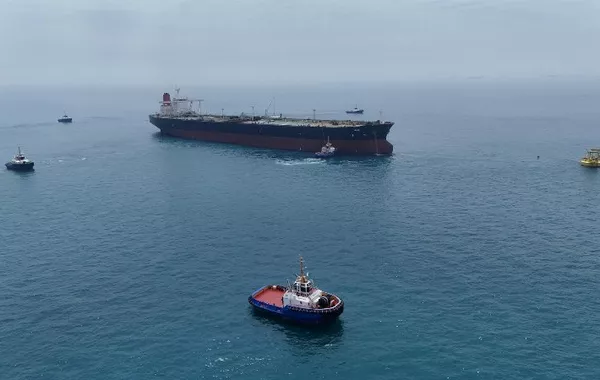
Li and four traders closely monitoring the ESPO market said Sinopec has also purchased at least 10 cargoes for delivery in both August and September. ESPO crude is typically transported aboard Aframax tankers, each capable of carrying around 740,000 barrels.
If you'd like, I can also make it read more like a Reuters, AP, or Bloomberg news story while preserving every factual detail.
Share on social media