Source: Shutterstock
Global oil demand is now expected to decline by an average of 80,000 barrels per day (80 kb/d) in 2026, a sharp reversal from earlier projections of 730 kb/d growth, as the war involving Iran reshapes the global outlook, the International Energy Agency (IEA) said on Tuesday.
According to the IEA’s latest Oil Market Report, oil demand is projected to fall by 1.5 million barrels per day (1.5 mb/d) in the second quarter of 2026, marking the steepest contraction since the COVID-19 pandemic severely reduced fuel consumption, The Caspian Post reports, citing Xinhua.
With supply scarcity and elevated prices persisting, the agency expects demand destruction to broaden further.
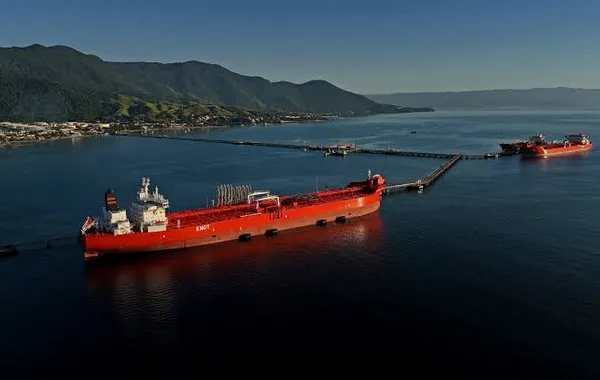
The report also highlighted a dramatic drop in global oil supply, which fell by 10.1 mb/d to 97 mb/d in March. The IEA attributed this decline to continued attacks on energy infrastructure in the Middle East, along with ongoing restrictions on tanker movements through the Strait of Hormuz, resulting in what it described as the largest supply disruption on record.
Refining activity worldwide is also under pressure. The agency noted that global crude throughputs continue to face difficulties due to disrupted feedstock supplies and infrastructure damage, tightening product markets. As a result, global crude runs are forecast to decrease by an average of 1 mb/d in 2026, reaching 82.9 mb/d.
Meanwhile, global observed oil inventories dropped by 85 million barrels in March. Stocks outside the Middle East Gulf saw a particularly sharp drawdown of 205 million barrels, largely due to restricted flows through the Strait of Hormuz. Oil prices recorded their largest-ever monthly increase in March, driven by what the report described as the most severe supply shock in history.
The IEA added that a two-week ceasefire between Iran and the United States provided temporary relief to global oil markets. However, uncertainty remains over whether this pause in hostilities will lead to a lasting peace and the restoration of normal shipping operations through the Strait of Hormuz.
The agency emphasized that restoring flows through the Strait of Hormuz remains the single most critical factor in alleviating pressure on energy supplies, stabilizing prices, and supporting the global economy.
Tensions escalated further after U.S. President Donald Trump warned on Sunday of plans to block vessels attempting to enter or exit the Strait of Hormuz. Following the statement, U.S. Central Command announced that American forces would begin enforcing a blockade of all maritime traffic entering and leaving Iranian ports starting Monday at 10:00 a.m. Eastern Time (1400 GMT).
Share on social media