Global Oil Refining Capacity Poised for Major Expansion Through 2030
Global oil refining capacity is forecast to increase by 4.2 million barrels per day (bpd) between 2026 and 2030, according to the Global Oil Refining Outlook by BloombergNEF (BNEF), an international provider of energy research and analysis.
The outlook indicates that global refining capacity growth is expected to rebound strongly through 2030 after declining last year, The Caspian Post reports, citing Anadolu Agency.
Net global refining capacity is projected to expand by around 4.2 million bpd during the period, representing a 162% increase compared with net capacity growth recorded over the previous five years.
Of the projected growth, about 2.9 million bpd is expected to come from expansions at existing refineries in Africa, India, China, other parts of the Asia-Pacific region, the Middle East and Latin America.
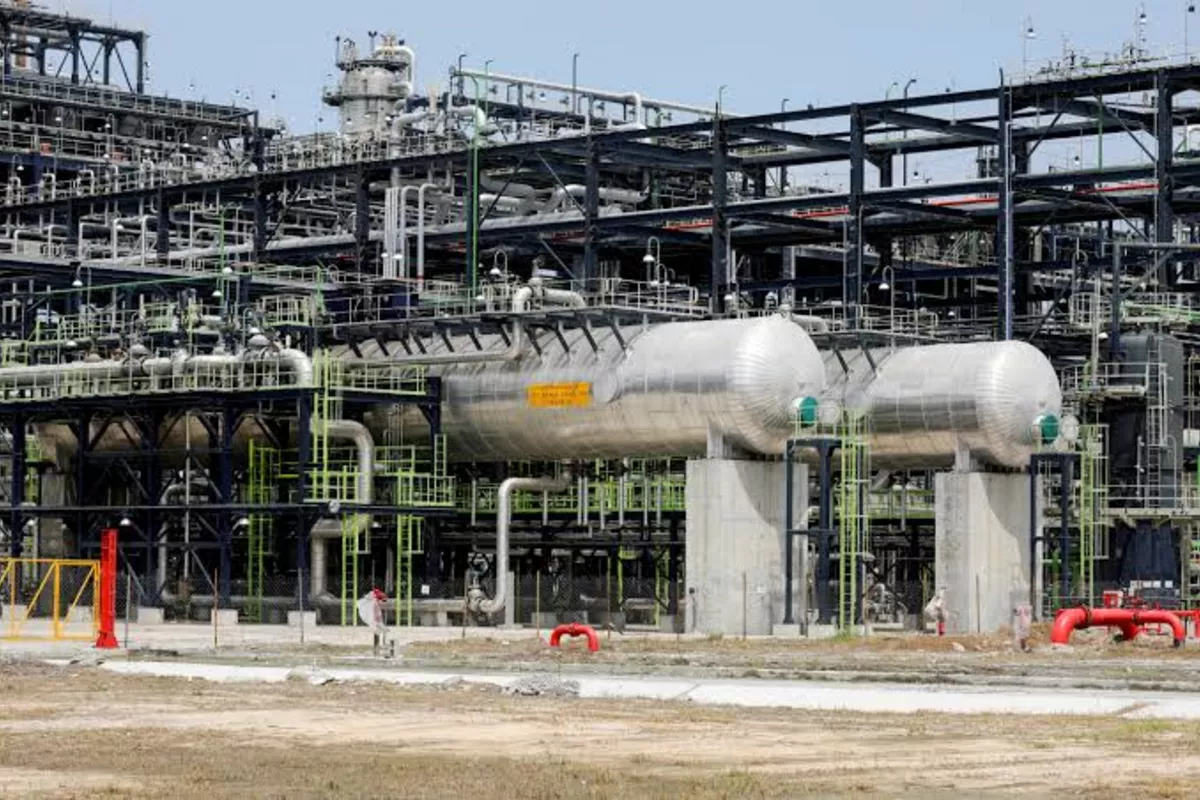
New refinery projects are expected to contribute around 1.5 million bpd of additional capacity, with most of these investments concentrated in Africa, India, China and other parts of Asia-Pacific.
At the same time, refinery closures, mainly in Europe and North America, are expected to reduce global capacity by approximately 200,000 bpd over the same period.
BNEF noted that the projected increase in refining capacity is significantly higher than anticipated growth in demand for refined petroleum products.
If all planned projects become operational, refining capacity could grow faster than product demand, increasing competition among refiners and putting downward pressure on refining margins.
Africa and Asia Pacific are expected to account for around 95% of global net refining capacity growth through 2030.
Capacity additions in these regions are being driven by stronger product demand outlooks, efforts to reduce import dependence, and investment in export-oriented and petrochemical-integrated facilities.
China and India are set to lead near-term growth, accounting for an estimated 71% of total capacity additions in 2026 and 2027. Most projects scheduled for this period are already operational or under construction.
However, a larger share of capacity planned for 2028-2030 remains at earlier stages of development, increasing the risk of delays or cancellations.
According to BNEF's tracking, around half of the capacity additions planned between 2026 and 2030 are already operational or under construction.
Regional differences in the pace of refining capacity development are expected to reshape crude oil and petroleum product trade flows.
China's growing refining capacity could create a supply overhang, potentially prompting further consolidation among smaller independent refiners.
Meanwhile, investments in India and Africa are supporting efforts to reduce dependence on petroleum product imports, while further refinery closures could occur in Europe and the US.
According to BNEF, the Israel/US-Iran war is disrupting flows of refined products from the Middle East and refinery feedstocks from the Persian Gulf.
The disruptions are strengthening the competitive position of Atlantic Basin refiners, while the war has so far had a limited impact on the medium-term global refining capacity pipeline.
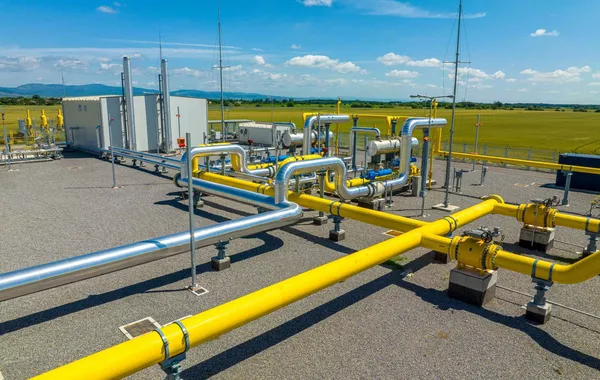
At the same time, the conflict is strengthening the case for investment aimed at improving the resilience of storage, pipeline and logistics infrastructure.