How the US Curbs Russia’s Oil Role in Venezuela
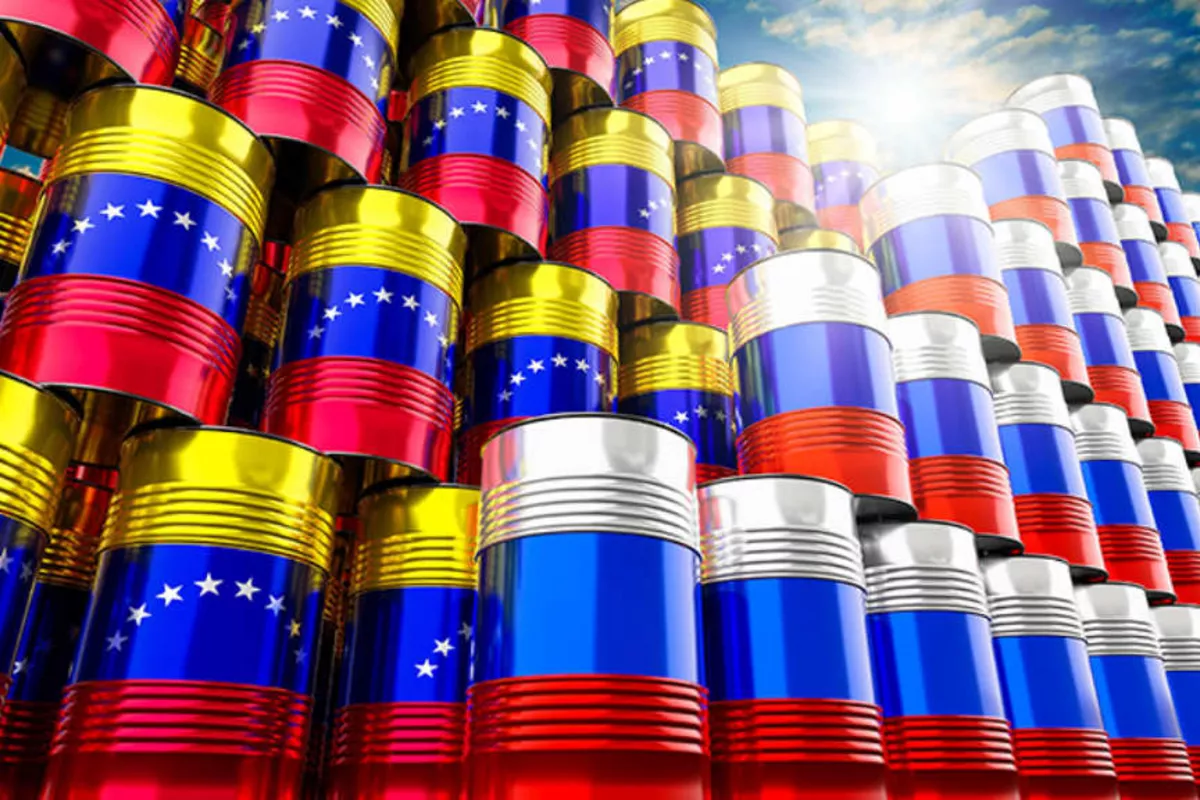
The United States has formally prohibited oil transactions involving both Venezuela and Russia as part of a broader tightening of sanctions policy toward Caracas. The move was implemented through updated licenses issued by the US Treasury Department’s Office of Foreign Assets Control (OFAC), which revised the conditions under which limited dealings with Venezuela’s oil sector may occur.
Under the updated framework, any authorization to conduct transactions with Venezuela’s state-owned oil and gas company, Petróleos de Venezuela S.A. (PDVSA), is strictly conditional. Companies seeking to engage in permitted activities must ensure that no sanctioned countries - including Russia, Iran, North Korea, or Cuba - or entities controlled by them are involved in the transactions.
Limited Licenses with Strict Conditions
Although Washington continues to allow certain restricted activities, these are governed by specific licenses with clearly defined limitations.
-
License No. 46A permits authorized US entities to export, re-export, transport, and refine Venezuelan oil.
-
License No. 48 allows the provision of goods, technology, and services necessary for oil and gas exploration and production in Venezuela.
-
License No. 30B covers transactions required for the continued operation of Venezuela’s ports and airports.
All licenses explicitly prohibit any participation by sanctioned states or their controlled entities. Additionally, contracts must be governed by US law, and payments to sanctioned or “blocked” individuals - with the exception of local taxes - must be deposited into designated foreign government accounts.
Impact on Russian Energy Interests
The restrictions directly affect Russia’s long-standing investments in Venezuela’s energy sector. Russian companies have maintained significant stakes in joint ventures with PDVSA, particularly in major oil field development projects established during the mid-2010s.
In 2020, after earlier US sanctions were imposed, Russia’s state energy giant Rosneft transferred its Venezuelan assets to Roszarubezhneft, a company fully owned by the Russian government. Despite the transfer, Russian involvement in Venezuela’s oil sector has continued through these state-controlled structures.
Venezuela’s National Assembly has previously extended several of these joint projects, approving additional investments and long-term production plans. However, the updated US measures complicate the operational and financial framework for such cooperation.
Broader Political Context
The tightening of oil-related restrictions comes amid broader political developments in Venezuela and renewed tensions between Washington and Moscow. Changes in Venezuela’s leadership and statements from US officials asserting stronger oversight of Venezuelan oil transactions have further reshaped the operating environment for foreign companies.
Russian officials have criticized the restrictions, arguing that they unfairly target Russian economic interests abroad. At the same time, Russian state-linked firms have indicated that they intend to continue fulfilling contractual obligations within the boundaries of applicable regulations.
Long-Term Financial Exposure
Between 2006 and 2017, Russia provided billions of dollars in financial support and investment to the Venezuelan government and PDVSA, making the country one of Moscow’s most significant energy partners in Latin America. The new US measures place additional constraints on the future of those investments and signal continued use of energy-related sanctions as a geopolitical tool.
The evolving regulatory environment underscores the increasingly complex intersection of energy markets, international sanctions, and global power competition.