Georgia Reviews Diplomatic Impact After Maduro’s Capture in US Raid
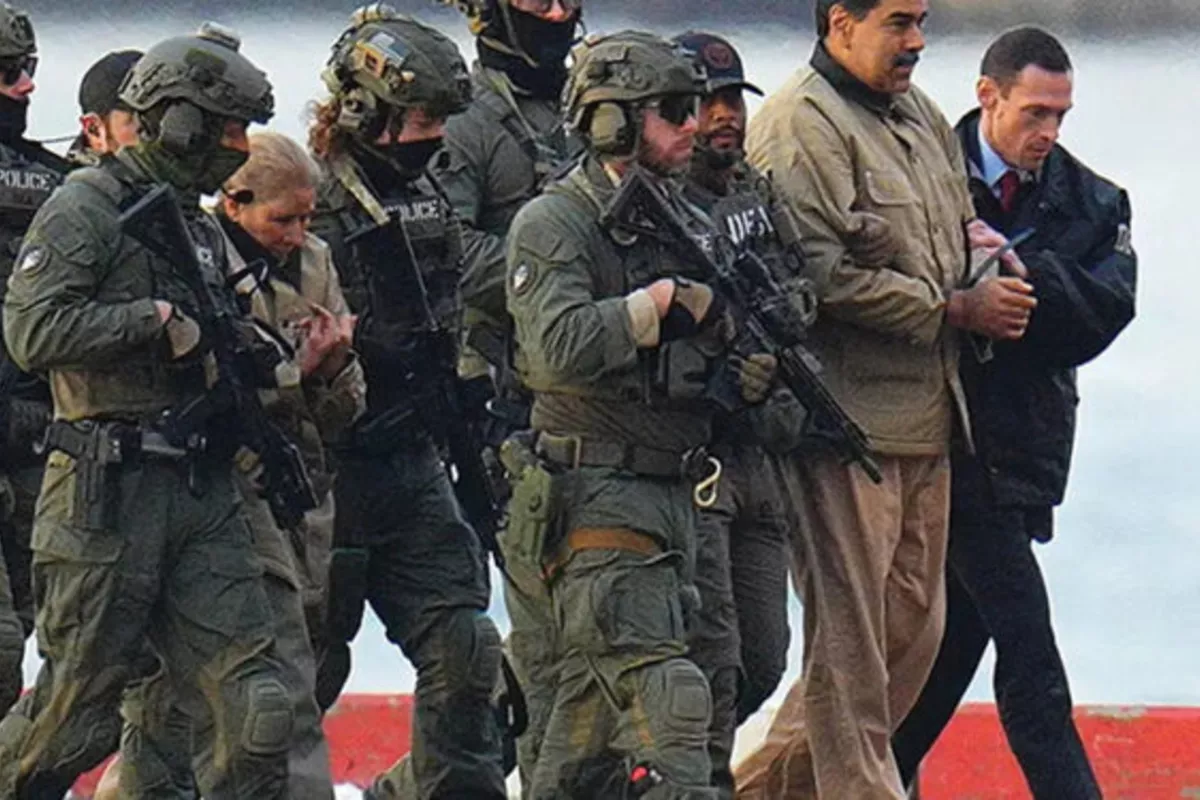
Venezuela is in turmoil after a dramatic U.S. military operation captured President Nicolás Maduro and sent him to New York to face federal drug-trafficking charges, while his wife Cilia Flores was injured in the raid, both have pleaded not guilty.
The Venezuelan government says the operation was devastating. Interior Minister Diosdado Cabello reported that 100 people were killed, including Venezuelan military personnel, and Cuban officials said some of their military and intelligence officers stationed in Venezuela were also among the dead. Much of Maduro’s security service, authorities said, was killed “in cold blood.” The army has so far released a partial list naming 23 of those killed, The Caspian Post reports, citing foreign media.
The United States has defended the operation as necessary to hold Maduro accountable and to disrupt alleged narco-trafficking networks. But the intervention has raised legal questions and sparked international concern, with the United Nations and several governments questioning the legality of US forces operating on foreign soil without regional consent.
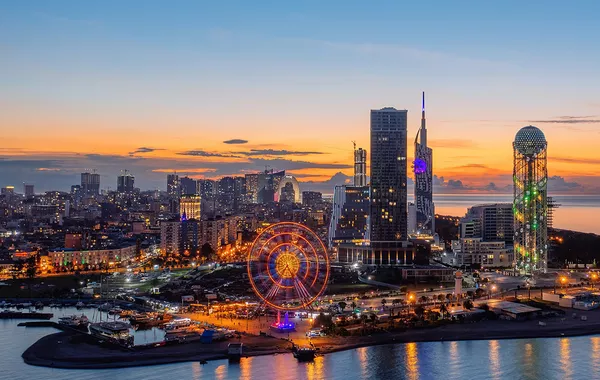
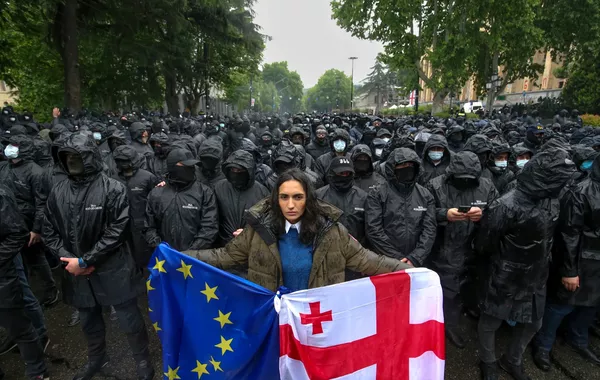
The crisis in Venezuela has also reverberated in Georgia, where the events have taken on a diplomatic and political dimension. Georgia’s Ministry of Foreign Affairs said the government is closely monitoring developments in Caracas, expressing hope that the political upheaval could lead Venezuela to reconsider its previous decision to recognize Abkhazia and South Ossetia, the two regions Georgia considers occupied by Russia. In a statement, Tbilisi said, “Considering that the Venezuelan authorities, in gross violation of international law, recognized the occupied regions of Georgia as independent states, we express hope that recent events will lead to the cancellation of this illegal decision, in accordance with Georgia’s national interests and international legal principles.”
The de facto authorities in Abkhazia responded quickly. Odisei Bigvava, the so-called deputy foreign minister, said the region “does not view international recognition as an end in itself.” He emphasized that Abkhazia’s focus is on strengthening local institutions, socio-economic development, security, and expanding diplomatic contacts “based on mutual respect and equality.” He also insisted that support from Russia and other friendly states contributes to stability without replacing “the will of the local population.”
Bigvava dismissed Georgia’s references to a policy of non-recognition, arguing that such statements lack legal grounds and do not foster a constructive regional atmosphere. At the same time, he said Abkhazia is “ready to carefully and responsibly consider any signals that indicate a desire for a more pragmatic and realistic approach to regional policy” and reaffirmed commitment to peaceful coexistence and dialogue with interested states, including Georgia.
Meanwhile, in Tbilisi, the political fallout of the US moves in Venezuela has been intense. Shalva Papuashvili, speaker of the Georgian Parliament, used the Venezuelan crisis to argue that Europe can no longer be relied upon as a guarantor of international order. “The minutes-long operation in Venezuela confirmed that the European Union, as a guarantor of international order and a global geopolitical player, no longer exists,” he wrote.
His comments drew a sharp rebuke from opposition politician Salome Samadashvili of the Lelo-Strong Georgia party, who accused the ruling party of treating Georgians as “ignorant people” while enriching billionaire Bidzina Ivanishvili’s regime. She wrote on social media, “The servants of Ivanishvili’s provincial autocracy are afraid to say anything about Trump… Trump conducted a special operation in Venezuela, Maduro is being tried in New York, and Papuashvili is still cursing Brussels.”