China, Russia, and Iran Forge Agreement as US-Iran Tensions Intensify
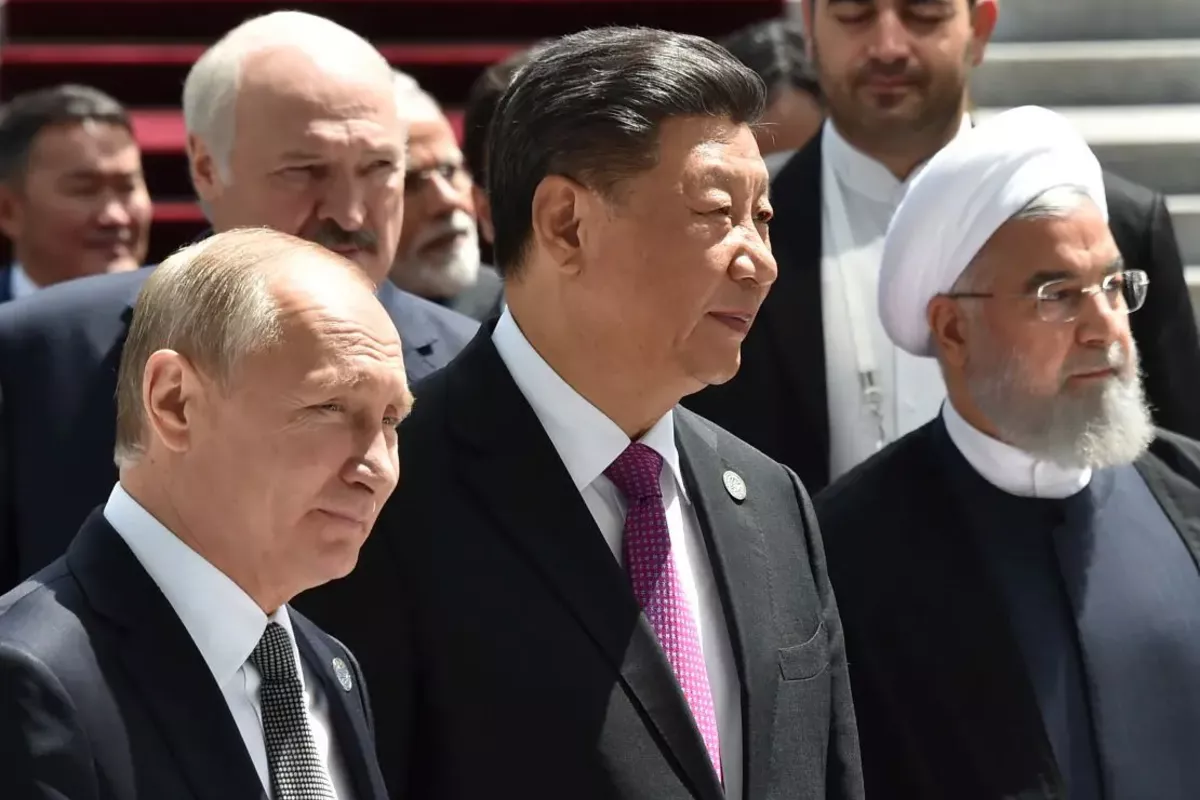
China, Iran, and Russia have formalized a comprehensive strategic agreement, which analysts suggest could alter global power structures and escalate tensions with the United States.
The agreement, announced simultaneously in Tehran, Beijing and Moscow, was described by the three governments as a cornerstone for a new multipolar order, The Caspian Post reports, citing foreign media.
While the full text is being released in stages, officials confirmed that the pact covers cooperation in energy, trade, military coordination and diplomatic strategy.
Iranian state media quoted officials as saying the pact reflects a joint commitment to “mutual respect, sovereign independence and a rules-based international system that rejects unilateral coercion.” Similar statements were issued by Beijing and Moscow, underscoring their shared opposition to Western dominance.
The trilateral pact builds on years of deepening bilateral ties. In January 2025, Iran and Russia signed a 20-year Comprehensive Strategic Partnership Treaty, aimed at strengthening economic and defence cooperation and countering Western sanctions. That agreement entered into force last year.
Iran and China have also been bound by a 25-year cooperation deal signed in 2021, which focused on expanding trade, infrastructure development and energy integration.
What makes the new pact significant is that it explicitly combines all three powers into a coordinated framework. Unlike earlier bilateral deals, this agreement links them in a broader coalition, aligning positions on nuclear sovereignty, economic resilience and military coordination.
No Formal Defence Guarantee
Despite its scope, the pact is not a mutual defence treaty comparable to NATO’s Article 5, which obligates members to defend one another militarily.
Past agreements between Iran and Russia have stopped short of such guarantees, and the new pact appears to follow the same cautious line.
Instead, the agreement signals a political and strategic alignment designed to counterbalance US influence. Analysts say it reflects a shared determination to resist sanctions, reduce reliance on Western financial systems and project influence in key regions.
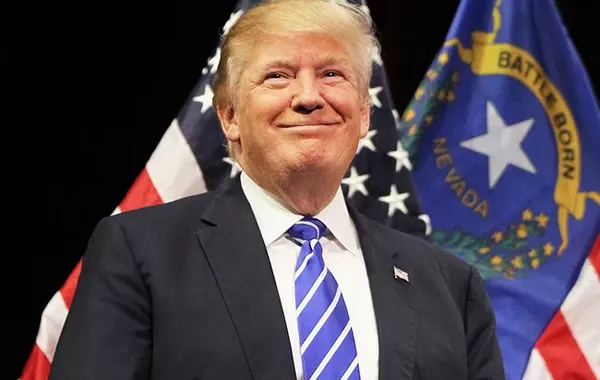
The signing comes amid heightened confrontation between Iran and the United States. Washington has accused Tehran of enriching uranium beyond the limits set by the 2015 nuclear deal, formally known as the Joint Comprehensive Plan of Action (JCPOA). The Trump administration withdrew from the JCPOA in 2018, reimposing sweeping sanctions that have crippled Iran’s economy.
Efforts to revive the deal have repeatedly stalled. Talks in Oman and Rome in 2025 ended without agreement, deepening mistrust between the two sides.
Meanwhile, US military deployments in the Gulf have raised fears of escalation. The Pentagon confirmed that the aircraft carrier USS Abraham Lincoln and accompanying warships were sent to the Arabian Sea late last year, citing “heightened threats” from Iran.
Inside Iran, protests that began in December 2025 over economic hardship have added pressure on the government. Tehran has accused foreign actors of fueling unrest, pointing to public statements by US President Donald Trump in support of demonstrators. Iranian officials say such comments amount to interference in domestic affairs.
Strategic Implications
For Iran, the pact offers a lifeline. By deepening ties with Russia and China, Tehran hopes to ease the impact of sanctions, secure investment, and strengthen its deterrence against military threats.
For Russia and China, the agreement provides access to Iran’s vast energy reserves and strengthens their ability to challenge US alliances in the Middle East and Indo-Pacific.
Both countries have already expanded military cooperation with Iran, including joint naval exercises in the Gulf.
For the United States and its allies, the pact complicates efforts to isolate Iran. Gulf states, already wary of Tehran’s regional ambitions, fear the agreement could embolden Iran and destabilise the region further.
Despite its symbolism, experts caution that the pact faces limits. Russia and China remain cautious about overcommitting to Iran, mindful of potential US retaliation and the risks of being drawn into Middle Eastern conflicts.
Iran’s economic struggles and ongoing domestic unrest may also undermine its ability to deliver on commitments. And without a formal defence guarantee, Tehran remains vulnerable to confrontation with Washington or Israel.
Much will depend on whether Moscow and Beijing are willing to risk deeper entanglement in Iran’s confrontations with the West. For now, the agreement strengthens Tehran’s diplomatic hand, but the underlying tensions with Washington show no sign of easing.