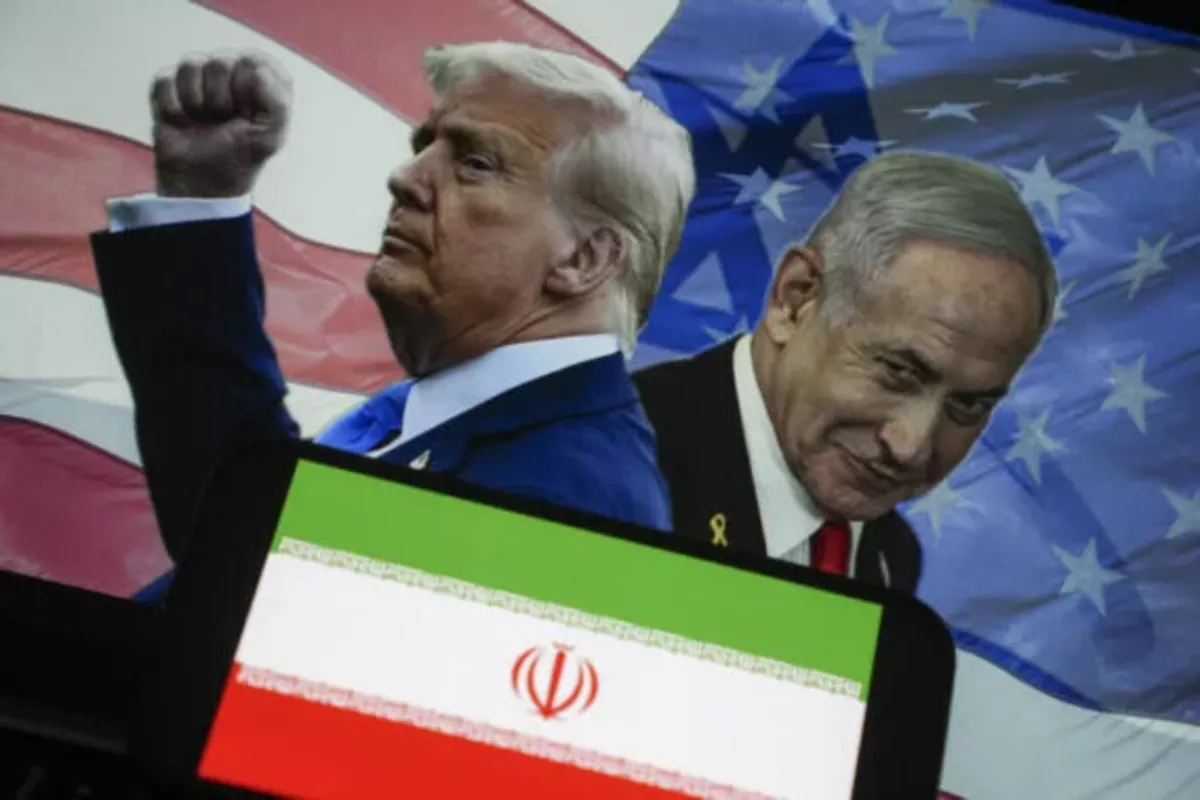
US President Donald Trump ultimately found a way out of the situation he had driven himself into by engaging in a risky confrontation with Iran. The specter of catastrophic escalation served as a convenient cover for stepping back from direct conflict.
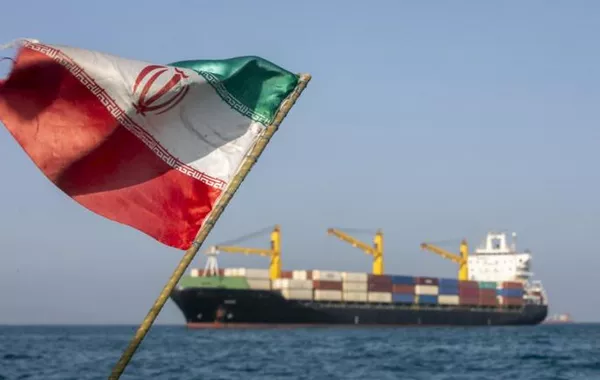
Indirect negotiations between Tehran and Washington, D.C.-reportedly mediated by Pakistan with backing from China-have led to a ceasefire agreement. While Trump may claim that Iran backed down under pressure, the reality appears more complex. With the Strait of Hormuz still under Iran’s control, the ceasefire suggests that Iran has not conceded ground, whereas the United States has opted to de-escalate, The Caspian Post reports via Russian International Affairs Council.
It may be premature to expect the “golden age” promised by Trump to emerge from upcoming talks. However, even at this stage, the early conclusions of the conflict are already beginning to take shape.
1. Iran Withstands Pressure, Asserts Regional Status
Iran has weathered a long-standing threat of joint military pressure from the United States and Israel-a scenario that had loomed for decades. In the end, Washington and Tel Aviv were unable to impose their will by force.
As a result, Iran has reinforced its position as a key regional power-on par, in strategic terms, with Israel.
2. Gulf States Exposed as Vulnerable
The Arab countries of the Persian Gulf, by contrast, revealed both their vulnerability and limited capacity to defend their interests in the event of a U.S.-Israel-Iran confrontation.
The presence of American military bases on their territory did not guarantee security; instead, it risked turning them into targets for Iranian strikes.
Conclusion: Security guarantees from the United States appear far less reliable than often assumed-an insight that may resonate with allies and partners worldwide.
3. Military Power Regains Primacy
In what increasingly feels like a new era of conflict, military strength is once again outweighing financial, economic, and other non-military factors.
As Russian poet and playwright Alexander Pushkin famously wrote:
“Gold says: all is mine.
Steel replies: all is mine.
Gold says: I can buy all.
Steel replies: I take all.”
The message is stark: in times of war, force often speaks louder than wealth.
Conclusion: A sanctioned Iran holds its ground
Despite heavy sanctions and deep economic challenges, Iran has effectively held its own against a global superpower-the United States-while its ultra-wealthy southern neighbors in the Persian Gulf appeared exposed and vulnerable.
4. A transformed Iran: Power Shifts to Security Elites
Iran has not only endured-it has changed internally. During the conflict, a long-anticipated shift took place: real power moved away from the clerical establishment toward security structures.
Today, the key decisions are shaped less by the supreme leadership or the presidency and more by the highest levels of command of the Islamic Revolutionary Guard Corps.
Conclusion: Iran is likely to remain an Islamic republic, but the center of gravity has shifted toward the IRGC. Tehran’s policies may become tougher-yet also more pragmatic and strategically calculated.
5. Israel Halts Operations, U.S. Ties Recalibrated
The decision by Israel to cease military operations against Iran and Lebanon’s Hezbollah suggests a reluctant alignment with the position of Trump.
As a result, relations between Washington, D.C. and Tel Aviv appear to have stabilized, returning to a more usual balance after a period of tension.
Conclusion: Israel’s inability-even with the full backing of the United States-to “solve the Iranian issue” could, in the long run, pave the way for a regional balance of power between the two leading military powers of the region: Israel and Iran.
In conclusion-about Russia: Moscow managed to maintain a principled stance-labeling aggression as aggression, expressing solidarity with Iran, and vetoing an unbalanced draft resolution on the Strait of Hormuz at the UN Security Council. Russia candidly explained its position to Arab partners in the Persian Gulf, avoided provoking Trump (crucial in the context of the Ukraine crisis), and preserved its relations with Israel, among other achievements.
Meanwhile, the waning U.S. focus on Ukraine, the deterioration of transatlantic relations, and the temporary rise in oil prices emerged as side effects of the conflict-occurring without any direct involvement from Russia.
Looking ahead, Moscow gains the opportunity to deepen its ties with Tehran, which has just endured an intense trial and significantly enhanced its international standing.
Russia, China, Iran, as well as Belarus and North Korea, are effectively forming the core of a new security architecture in Eurasia. Iran has just halted the American geopolitical counteroffensive in southern Eurasia. Similarly, Russia’s success in achieving its objectives in the Ukrainian conflict would block a comparable U.S.-led effort in the western part of the continent.
In the east, China is strengthening its military capabilities in anticipation of potential conflict with the United States, while simultaneously pursuing an active diplomatic agenda.
It is through these concrete actions-not mere political declarations-that a truly multipolar world is being shaped.
By President of the Russian International Affairs Council Dmitri Trenin