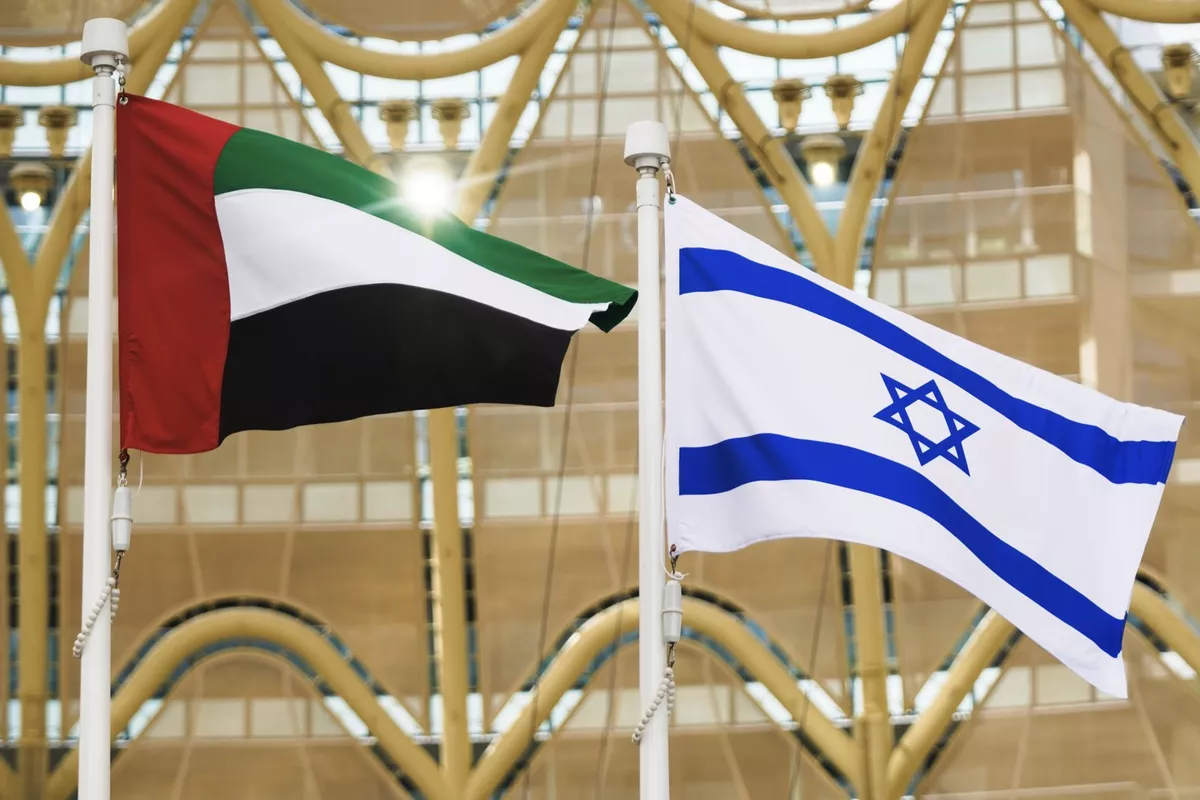
Iran Strike on UAE Pushes Abu Dhabi Closer to Israel Alliance
Iran had indicated in the past that it objects to the Abraham Accords and any peace deals with Israel. As such, it sees the peace between Israel and the UAE and Bahrain as a threat. It wants to punish the UAE for working with Israel.
However, Iran’s attacks will likely have the opposite effect. Abu Dhabi will see Israel as a stronger and necessary partner after these latest attacks.
The reason for this is complex. The UAE entered into the Accords in 2020 during the COVID era. In those days, it should be recalled that the first Trump administration was in power. The Gulf was in turmoil.
In 2017, Saudi Arabia led several Gulf states, including the UAE, in cutting ties with Qatar. The UAE was one of the leading voices against the Muslim Brotherhood, and it was deeply angered by what it saw as Doha’s agenda in the region.
Could Iran's latest attacks bring the UAE into the Abraham Accords?
At the time, the UAE and Saudi Arabia were also involved in fighting in Yemen. They had backed the Yemen government in 2015 when the Iran-backed Houthis threatened Aden. By 2020, though, things were changing. The UAE was closer to the Southern Transitional Council in Aden, and Riyadh was still backing the Yemen government. Riyadh was looking for a ceasefire in Yemen. Houthis were targeting Riyadh with ballistic missiles. In fact, Iran’s role in Yemen with long-range missiles and drones foreshadowed how it would also wage war on Israel.
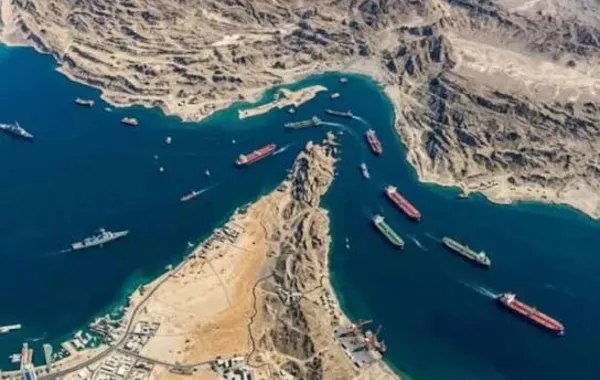
Other developments in 2019 also foreshadowed what would come. In September 2019, Iran attacked the Saudi energy facility at Abqaiq using drones and missiles. Iran also carried out attacks on ships near the Strait of Hormuz in June 2019. It also mined four ships at the UAE port of Fujairah. All of this is similar to the tactics Iran is employing now.
Therefore, in 2020, when the Abraham Accords were signed, the UAE and Bahrain entered into this peace deal with a sense that the region was shifting and that Israel was a good partner to have at a time of growing threats and also shifting alliances.
The Abraham Accords were supposed to lead to many other agreements and open up a regional map of cooperation. Various concepts, such as the India-Israel-UAE-US (I2U2) initiative, were put forward. There was also the Negev Forum of regional countries. Then came the N7 initiative and the India-Middle East Europe Corridor (IMEC) concept. All of this appears to anchor the UAE as a regional hub for relations with Israel.
Iran was nonplussed about this, seeing it as a rival to its own axis of resistance. As such, it has sought to dismantle the Abraham Accords in various ways. One way it did this was through reconciliation with Saudi Arabia. Another factor has been the Qatar-Turkey alliance. Qatar has also reconciled with Riyadh, as has Ankara.
As such, the UAE has sometimes felt that its policies differ from those of many other countries in the region. It is still a close partner in the GCC, but it has now decided to leave OPEC. This means that it is seeking its own regional path, as has been the case for many years.
The result of recent tensions between the UAE and Saudi Arabia, especially over Yemen and other policies, means that the UAE must position itself for a future of uncertainty. The Iran war, which began with US and Israel strikes on February 28, has added to this sense of insecurity. The UAE, therefore, sees closer ties with Israel as a potential shield against what may come next. This can include defense ties and other relationships.
However, the UAE-Israel ties, and more broadly speaking, ties with Bahrain, still require more public discussion.
Since the October 7 war began, many Arab states have backed away from public meetings with Israeli officials. This is in part due to the antics and extremism of some on the far-right in Israel. Israel’s domestic policies are so extreme, in the West Bank, for instance, that many countries are waiting to see what may come next.
Another factor, though, is the desire for peace in Gaza and concerns over Israel’s numerous conflicts, such as in Lebanon, and also tensions with Syria. The UAE also understands this and would prefer Israel to help with regional stability, not have to get drawn into conflicts that Israel is having. Nevertheless, now that the UAE is on the frontline with the Iranian attacks, this will naturally push it closer to Israel.
See the original article here