AA Photo
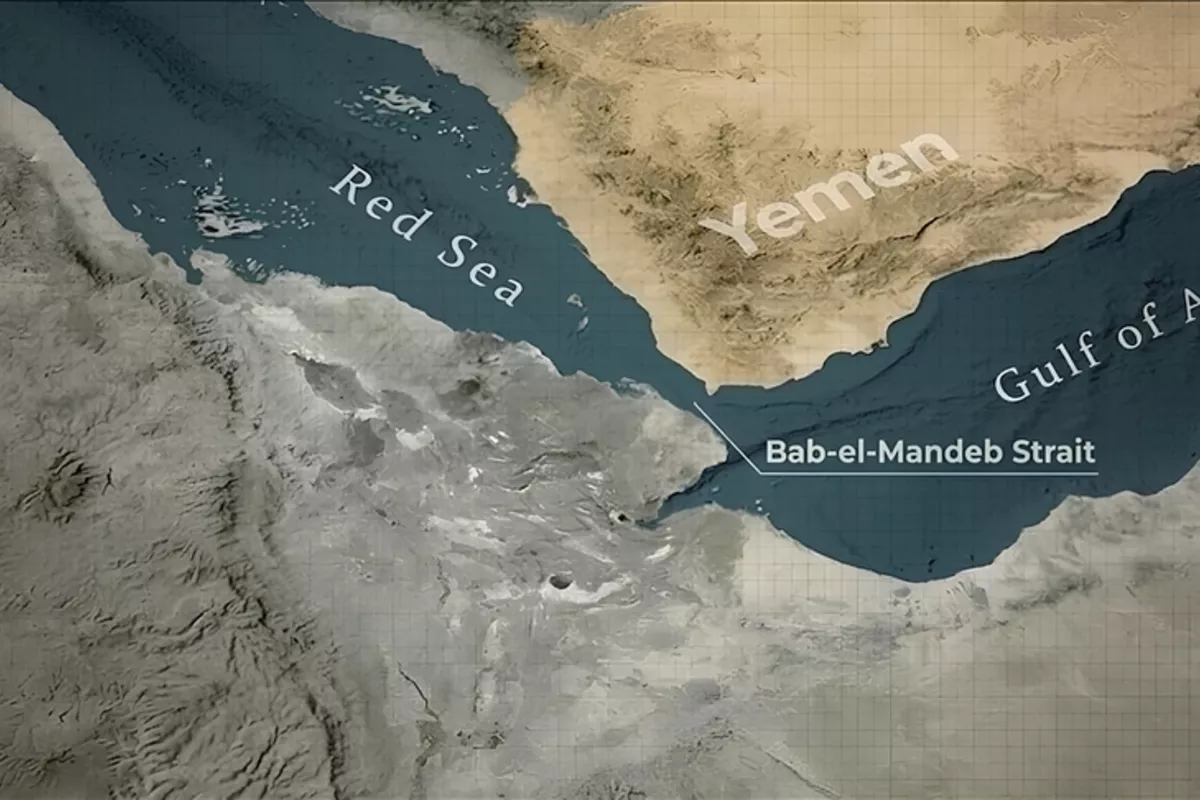
Iran has indicated that the Bab al-Mandeb Strait could become a potential flashpoint, warning that any escalation of tensions with the United States could disrupt global trade and energy flows.
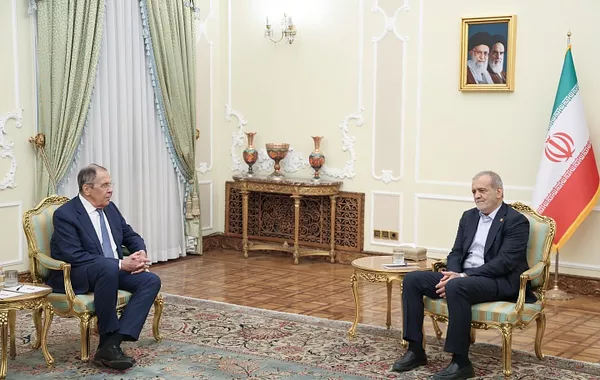
Ali Akbar Velayati, an adviser to Iran’s new supreme leader Mojtaba Khamenei, said Washington should treat Bab al-Mandeb as it does the Strait of Hormuz, implying coordinated pressure on key maritime chokepoints, The Caspian Post reports, citing foreign media.
U.S. President Donald Trump on April 5 stepped up his threat to hit Iran's critical infrastructure hard if the country's government doesn’t reopen the Strait of Hormuz by his April 8 deadline.
Trump punctuated his threat with profanity in a social media post, saying April 8 will be “Power Plant Day, and Bridge Day, all wrapped up in one, in Iran.”
Although Iran does not border Bab al-Mandeb, Yemen does, and Tehran maintains close ties with the Houthi movement, which previously targeted Israel-linked shipping in the Red Sea and has recently launched missiles toward Israel.
Analysts say the group could expand operations to the strait, raising fears of further disruptions after the Hormuz closure sent oil prices sharply higher and pushed U.S. gasoline above $4 per gallon.
Bab al-Mandeb is a critical route linking the Red Sea to global markets. Around 4.1 million barrels of petroleum passed through the chokepoint daily in 2024, and it also serves as an alternative export path for Gulf producers shipping crude to Asia via Saudi Arabia’s Yanbu port. Roughly 12 percent of global trade transits the corridor, making any disruption highly consequential.
Markets are already reacting to the wider conflict. Analysts at JPMorgan estimate oil could rise to $120-$130 per barrel in the short term if Hormuz remains shut and potentially reach $150, with even higher prices possible if Bab al-Mandeb is also threatened. Iran has separately warned prices could exceed $200 should the conflict continue.
Share on social media