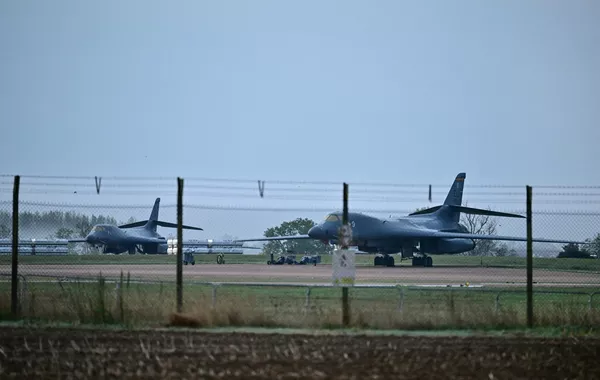
In 38 days of strikes, counter-strikes, and an unprecedented chokehold on the world’s most critical oil corridor, the Iran War of 2026 reshuffled global energy economics, exposed Latin America’s commodity vulnerabilities, and produced a fragile ceasefire that may already be unraveling. This is what happened, what it cost, and what comes next.
From Failed Diplomacy to Operation Epic Fury
The path to war was paved with collapsed negotiations. Through the second half of 2025, the United States and Iran exchanged proposals in Oman, Rome, and Geneva. Washington demanded full dismantlement of Iran’s nuclear program; Tehran insisted enrichment was non-negotiable. The final round of indirect talks in Muscat on February 6, 2026, ended without agreement, and Supreme Leader Ali Khamenei publicly rejected US terms on February 17.
The trigger was as much domestic as diplomatic. Beginning December 28, 2025, Iran experienced its largest protests since the 1979 revolution, driven by economic collapse. When Iranian security forces killed an estimated 30,000 civilians in a January crackdown, Trump threatened military action and accelerated the largest US military buildup in the Middle East since the 2003 Iraq invasion.
At 9:45 a.m. Tehran time on February 28, 2026 - during active nuclear negotiations - the United States and Israel launched Operation Epic Fury. The Israeli Air Force flew approximately 200 jets simultaneously against some 500 targets in the largest sortie in IAF history. Over 1,200 bombs fell in the first 24 hours. Cyberattacks knocked Iran’s internet offline for more than 60 hours. Supreme Leader Khamenei was killed at his Tehran office in the opening strikes; Iran’s Assembly of Experts appointed his son Mojtaba Khamenei as the new Supreme Leader on March 8.
The Hormuz Blockade and the Energy Shock
Iran’s counter-strike, Operation True Promise IV, came within hours: hundreds of drones and ballistic missiles targeted Israel, US bases in Qatar, Bahrain, and Iraq, and Gulf Arab capitals including Manama, Abu Dhabi, and Riyadh. The first commercial tankers were struck in the Strait of Hormuz that same afternoon.
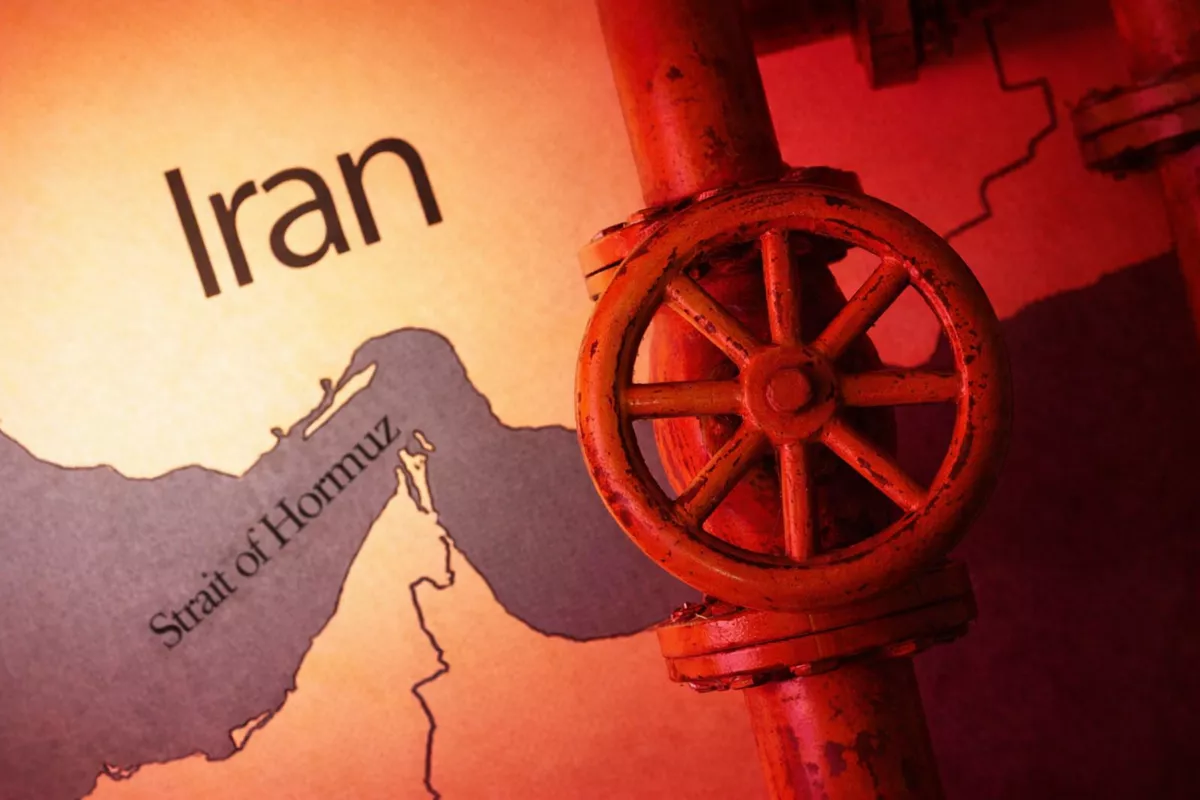
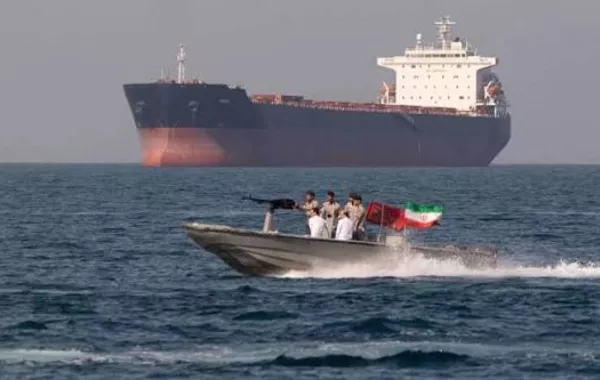
By March 4, the IRGC had announced the Strait formally closed. Iran did not mine the waterway immediately; drone strikes near the passage made insurers deem transit suicidal within days. QatarEnergy declared force majeure on all LNG exports - roughly 20% of global LNG supply. Daily ship transits through Hormuz fell from a pre-war average of 129-140 vessels to just 7 by April 10, a 95% collapse. IEA data as of April 13 put throughput at 3.8 million barrels per day, down from 20 million pre-crisis.
The oil price trajectory was swift and extreme. Brent closed at $72.48 on February 27 and crossed $112 by March 27 - a 55% monthly gain the IEA called the largest in the history of the global oil market. An intraday spike on April 2 pushed Brent to nearly $128 as Trump threatened to bomb Iranian power plants. The supply disruption reached 10.1 million barrels per day in March, the largest in recorded history, forcing IEA member states to release a record 400 million barrels from emergency reserves. The ceasefire announcement on April 8 sent Brent plunging roughly 15% to $93.82; it has since held in the $90-95 range, still more than 30% above pre-war levels.
Ripple effects reached every energy market. LNG spot prices in Asia surged over 140% after Iran struck Qatar’s Ras Laffan complex on March 18, causing damage requiring three to five years to repair. European natural gas on the Dutch TTF benchmark nearly doubled to over €60 per megawatt-hour. US gasoline crossed $4 per gallon nationally by March 31, with California above $5. Jet fuel reached $195 per barrel by end of March.
Brazil: Windfall Above, Fertilizer Crisis Below
Brazil entered the crisis in an unusual dual position. As the world’s sixth-largest oil exporter at roughly 3.7 million barrels per day, every sustained $100 barrel of Brent adds nearly 1% of GDP in government revenue, according to Brazil’s Ministry of Finance. The Ibovespa closed Q1 2026 up 16.35% with R$48 billion in foreign inflows - its strongest Q1 in recent memory - and the real strengthened to approximately 5.15 per US dollar, near a two-year high, outperforming most emerging-market peers.
Brazil’s ethanol infrastructure provided a buffer no other major economy could match. With sugarcane-derived ethanol blended at 30% into gasoline, domestic prices rose only about 5% through March against a 30% spike in the United States. A record sugarcane harvest is expected to yield 30 billion liters of ethanol starting April 2026.
The underside of the windfall is a deepening fertilizer crisis. Brazil is the world’s largest fertilizer importer. Before the war, 41% of its urea imports transited Hormuz; 36% originated directly from Iran, Qatar, Saudi Arabia, Oman, and the UAE. With that pipeline severed, urea prices surged 35% in the first weeks of March. A potential phosphate deficit of one to three million tons threatens the 2026-2027 planting season; fertilizers represent 27-34% of operational costs across soybeans, corn, and wheat. Brazil exports about 25% of its corn to the Middle East - a market that shrank 26% in March alone, from $1.2 billion to $882 million.
On March 12, Brasília eliminated federal diesel taxes, imposed a 12% levy on crude oil exports, taxed diesel exports at 50%, and launched a R$0.32-per-liter diesel subsidy through December 2026. Despite those measures, annual inflation reached 4.14% in March, above target, with fuel as the primary driver. The Central Bank cut only 25 basis points in March - to 14.75% - and the treasury chief warned the conflict could shorten the entire rate-cut cycle.
The Rest of Latin America: Winners, Losers, and the Uncertain Middle
Colombia sits at an awkward midpoint. Crude oil accounts for roughly 25% of Colombian exports, and each additional dollar per barrel generates approximately $100 million in tax revenue. But the Colcap equity index fell 4.42% in the first two trading days after the strikes, and the peso weakened 0.7% against the dollar as capital fled to safe havens.
Argentina arrives at this crisis with both promise and precarity. Record crop yields were expected in 2026, and higher commodity prices nominally benefit exporters. But Argentina imports roughly 15% of its fertilizer supply from the war zone, fuel costs are squeezing harvesting margins, and any resurgence of inflation in a country that recorded 210% annual price growth in 2023 risks destabilizing the peso carry trade investors have relied on during President Milei’s stabilization program.
Chile shed 14.8 pesos against the dollar at war onset and faces a secondary vulnerability: roughly 20% of copper-processing sulfuric acid is sourced from China, which halted such exports after Persian Gulf supply was strangled. Mexico, the fourth-largest oil producer in the Americas at 1.6 million barrels per day, does not depend on Hormuz routes but still imports roughly half its gasoline from the southern United States, partially cushioned by its IEPS tax mechanism.
The clearest losers are the fuel-importing economies of Central America and the Caribbean, where higher import bills, currency depreciation, and food inflation - compounded by shipping rerouted around the Cape of Good Hope, adding 10-14 days to trade lanes - are straining public finances with no commodity windfall to offset them. The IMF’s spring baseline projects the region to grow 2-3% in 2026, contingent on a short conflict.
Markets Under Pressure
Equity markets traded the conflict through rapid sector rotation. In Brazil, banks rallied on ceasefire hopes while Petrobras fell on lower oil - a pattern repeating each time diplomatic signals shifted. The OECD revised its 2026 US inflation forecast upward by 1.2 percentage points to 4.2%; UK inflation was projected above 5%. Transport and consumer-facing sectors bore the heaviest burden as jet fuel hit $195 per barrel and gasoline stayed above $4 ahead of the 2026 midterm elections. Russia emerged as a quiet beneficiary, with Brent holding above $90 and crude exports running at 4.6 million barrels per day. Latin American currencies outperformed Asian and European emerging-market peers - a dynamic HSBC analysts attributed to the region’s net commodity exposure.
Trump’s Strategy: Maximum Pressure, Then Mediation
Trump ordered Operation Epic Fury from Air Force One on February 27, with stated objectives of destroying Iran’s ballistic missile and drone capabilities, eliminating its navy, dismantling its defense industrial base, and - per his Truth Social statement - achieving regime change. The strikes were launched deliberately during active negotiations, framed by the administration as tactical surprise.
Escalation followed a pattern of threats and extensions. Trump issued a 48-hour Hormuz ultimatum on March 22 and extended it. On April 5-6 he threatened power-plant strikes by an 8 p.m. deadline. On April 7 he posted that “a whole civilization will die tonight, never to be brought back again” - described by Press Secretary Karoline Leavitt as a negotiating tactic.
When Pakistan’s Prime Minister Shehbaz Sharif and Army Chief General Asim Munir brokered the two-week ceasefire, the White House declared “Peace Through Strength.” The official tally: over 10,200 US air sorties, more than 13,000 targets struck, over 150 Iranian naval vessels destroyed, and 13 American service members killed in 38 days of major combat. Iran’s ceasefire agreement required it to reopen Hormuz.
The architecture cracked within hours. Iran continued restricting Hormuz traffic and charging tolls of up to $2 million per vessel - conditions Washington called ceasefire violations. The Islamabad Talks on April 11-12, led by Vance, lasted 21 hours and broke down over nuclear enrichment timelines: the US proposed a 20-year suspension; Iran countered with five years. No deal. On April 13, Trump announced a US naval blockade of all Iranian ports under “Operation Economic Fury,” involving over 10,000 US personnel.
Where Things Stand and What Comes Next
As of mid-April 2026, the ceasefire technically holds but expires April 21. A second Islamabad round is under discussion, not yet scheduled. The naval blockade is active. Hormuz remains partially open - 3.8 million barrels per day, down from 20 million - with Iran selectively admitting ships from China, Turkey, Pakistan, and India under bilateral deals while blocking others. Mine-clearance operations are ongoing after Iran reportedly lost track of some mines.
The IEA estimates oil flows will not normalize until July 2026 even if the strait fully reopens. Container backlogs could persist into Q3 or Q4. The IEA projects global oil demand to contract 80,000 barrels per day in 2026 - the first full-year decline since the COVID-19 pandemic - while the EIA revised its 2026 Brent average forecast to $96 per barrel. The core sticking points are unchanged: Iran’s enrichment rights, Hormuz control and tolls, full sanctions relief, $6 billion in frozen assets, and US military presence in the region. Iran says the sides were “inches away” in Islamabad; Trump says peace is “very possible.” The clock expires April 21.
See the original article here