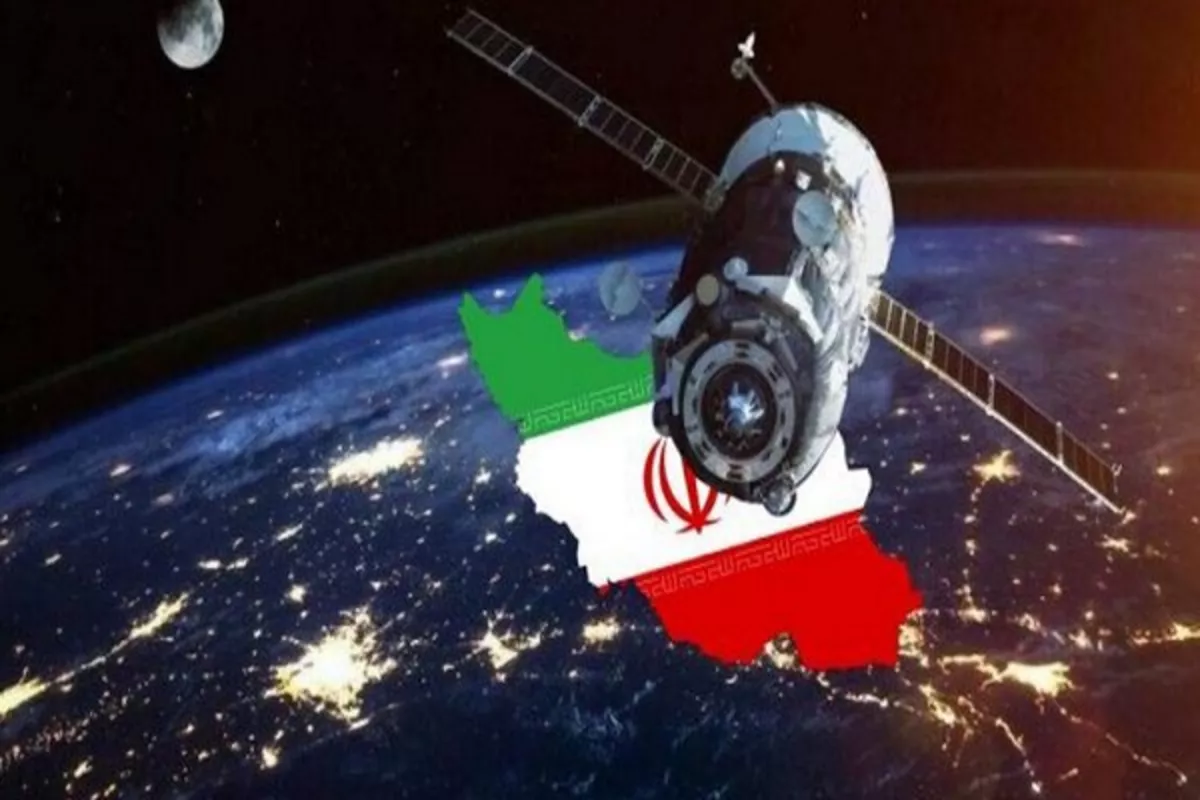
Iran is moving forward with the development of radar-based Earth observation satellites as part of its expanding space program, according to the head of the Iran Space Agency.
The initiative includes two satellite families-Rad 1 and Rad 2-designed to enhance the country’s imaging and remote-sensing capabilities using synthetic aperture radar (SAR) technology.
What to Know About Iran’s “Rad” Radar Satellites
The Rad 1 satellite is a synthetic aperture radar (SAR) satellite with an imaging resolution better than 50 meters. It is currently in the final stages of assembly and is expected to be unveiled soon.
A second satellite, Rad 2, is under development at the Iranian Space Research Institute. According to officials, it is expected to offer imaging accuracy better than 20 meters and is planned for unveiling in the coming years.
Unlike optical satellites that rely on visible light, radar satellites operate in non-visible wavelengths such as X-band. This allows them to capture images regardless of cloud cover, dust, darkness, or adverse weather conditions.
Radar satellites can also generate images in areas covered by snow or other surface obstructions. This capability significantly expands Earth observation potential in regions where traditional imaging methods are limited.
Why Radar Satellites Matter
The development of SAR satellites marks a strategic step in strengthening national imaging and monitoring capabilities. By enabling consistent data collection under a wide range of environmental conditions, radar satellites support applications such as environmental monitoring, land management, disaster assessment, and infrastructure analysis.
Iran’s ongoing work on the Rad satellite families reflects a broader focus on advancing domestic space technology and expanding access to reliable satellite-based observation systems.
Share on social media