ACRA Forecasts Faster Growth for Kazakhstan Through 2028

Source: Eurasia Magazine

ACRA Forecasts Faster Growth for Kazakhstan Through 2028

The Analytical Credit Rating Agency (ACRA) has issued an updated outlook for Kazakhstan’s economy for 2026-2028, projecting annual growth rates of 5.3% to 5.9%, surpassing the government’s recent targets.

According to the document, the coming three years are expected to be a phase of accelerated expansion, supported by industry and construction, as well as stronger value chains in services and agribusiness, The Caspian Post reports, citing The Times of Central Asia.

The government’s earlier forecast projected GDP growth of 5.4% in 2026, followed by stabilization at 5.3%. While ACRA offers a more optimistic outlook, it notes that achieving the targeted 6% growth will require a sharp increase in investment activity and a boost in foreign exchange earnings from exports. The agency also warns that accelerating growth may carry the risk of economic overheating and a new wave of inflation.

Investment remains the weak link in Kazakhstan’s growth model. From 2021 to 2025, investment accounted for only 15% of GDP, significantly lower than in comparable economies and previous periods of rapid expansion. For example, during 2010-2014, investment levels held at 18%, and in earlier years, they reached as high as 20-22%. Without restoring higher investment levels, sustaining growth above 5.5% could prove difficult.

Inflation risks also remain elevated. Contributing factors include household inflation expectations, imported inflation from neighboring countries, accelerated lending, and rising global food prices. Nevertheless, ACRA forecasts inflation to decline from 11.8% in 2025 to 8% in 2026, 6.2% in 2027, and 5.1% in 2028. The tenge is expected to gradually weaken to 555 per $ in 2026, 574 in 2027, and 594 in 2028.

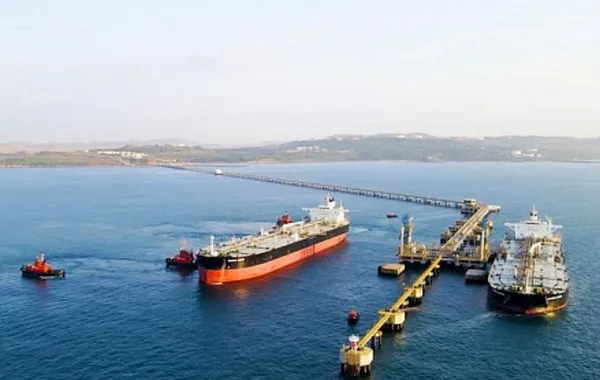
ACRA highlights three major risks over the next three years. The first is export and logistics vulnerabilities. Kazakhstan’s primary oil export route continues to run through Novorossiysk, and any disruption along this corridor would quickly impact the current account and put downward pressure on the tenge.

The second risk concerns fiscal discipline. Rising expenditures are increasing reliance on transfers from the National Fund, which could reignite inflationary pressures if not managed prudently.

The third is the depreciation of the Russian ruble. A weaker ruble boosts imports, reduces exports, and worsens Kazakhstan’s trade balance.

While ACRA considers the likelihood of these risks occurring simultaneously to be low, their combined impact could seriously challenge Kazakhstan’s growth outlook.

Related news

The Analytical Credit Rating Agency (ACRA) has issued an updated outlook for Kazakhstan’s economy for 2026-2028, projecting annual growth rates of 5.3% to 5.9%, surpassing the government’s recent targets.