How Kazakhstan Aims to Reduce Water Waste
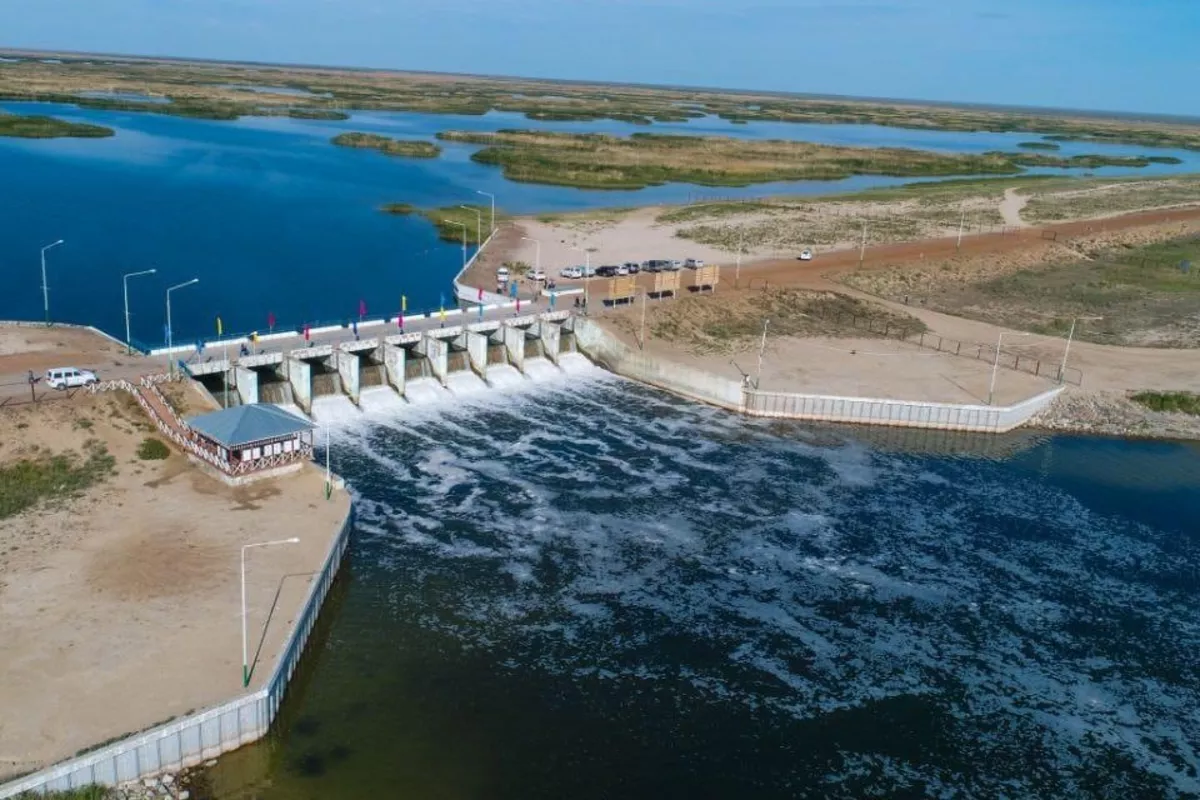
Kazakhstan has earmarked 214.6 billion tenge, or approximately 455 million U.S. dollars, in investment subsidies for water-saving measures for the 2026-2028 period.
According to Qazinform, the amount is four times larger than the funding allocated during the previous three-year cycle, reflecting the government’s increasing focus on water security and sustainable resource management.
Why is Kazakhstan Increasing Spending on Water Conservation?
The government’s decision comes amid growing concerns over water shortages, climate change, and rising agricultural demand across Central Asia. Water conservation has become a strategic priority for Kazakhstan as authorities seek to improve irrigation efficiency, modernize outdated infrastructure, and reduce water losses in both agriculture and industry.
Officials believe that expanding water-saving technologies will help ensure long-term food security, stabilize agricultural production, and protect the country’s water reserves.
How Much Water has Kazakhstan already Saved?
According to the Ministry of Water Resources and Irrigation, Kazakhstan saved 874 million cubic meters of irrigation water in 2025 through the use of modern water-saving technologies.
The savings were achieved on 543,500 hectares of agricultural land, where farmers introduced more efficient irrigation systems and water management practices aimed at reducing unnecessary water use.
Which Technologies are Being Used to Reduce Water Consumption?
Kazakhstan has been gradually introducing modern irrigation technologies designed to minimize water waste and improve efficiency in agriculture. These include drip irrigation systems, sprinkler technologies, digital monitoring tools, and improved canal infrastructure.
Such technologies allow farmers to deliver water more precisely to crops, reducing evaporation and leakage while increasing agricultural productivity.
What are Kazakhstan’s Long-Term Targets?
The Kazakh government plans to expand water-saving technologies to 1.3 million hectares of farmland by 2030.
Authorities estimate that achieving this target could help the country save up to 2.2 billion cubic meters of water annually. The expansion is expected to play a major role in strengthening Kazakhstan’s resilience to droughts and climate-related challenges in the coming years.
What Changes are Included in the New Water Code?
Under Kazakhstan’s new Water Code, industrial enterprises will gradually be required to transition to water recycling and reuse systems within seven years.
The reforms are aimed at reducing industrial water consumption and encouraging companies to adopt more sustainable production methods. Officials say the measures will help create a more efficient and environmentally responsible industrial sector.
How will the Reforms Affect Kazakhstan’s Industrial Sector?
The government expects the transition to water recycling systems to increase the share of reused water in industry to 28 percent.
This would significantly reduce pressure on freshwater resources while helping industries lower water-related costs and improve operational sustainability over the long term.
Why is Water Management Becoming Increasingly Important in Central Asia?
Water scarcity has become one of the key environmental and economic challenges facing Central Asia. Rising temperatures, shrinking glaciers, population growth, and increasing agricultural needs are placing additional pressure on regional water supplies.
For Kazakhstan and neighboring countries, improving water efficiency is seen as essential for maintaining economic growth, protecting agriculture, and preventing future resource shortages.