Kazakhstan May Extend Medical Training: What Will Change?

Source: iznanka.news

Kazakhstan May Extend Medical Training: What Will Change?

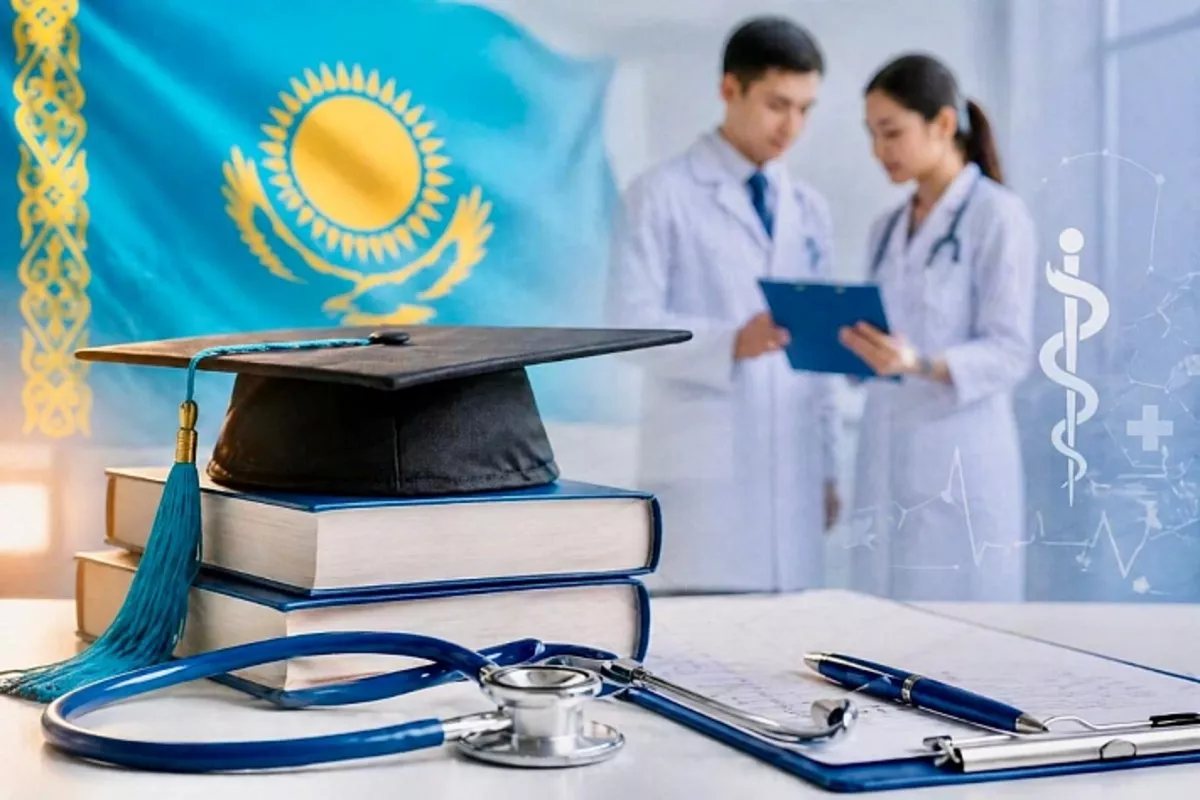
The Kazakh Ministry of Healthcare has clarified which students will be affected by proposed changes to the country’s medical education system currently under discussion in the Majilis (parliament).

At a Majilis meeting held yesterday, Askhat Aimagambetov said Kazakhstan is considering shifting to a seven-year training model for medical professionals, replacing the current six-year program, The Caspian Post reports, citing Kazakh media.

“The proposed change is a transition to a seven-year training model in Kazakhstan. The program will include six years of theoretical training at university and one year of full-fledged practical internship at medical organizations,” the deputy said.

The Ministry of Healthcare explained that the reform aims to ensure young specialists begin working with patients earlier and are better prepared for clinical practice.

According to the ministry, the changes will apply to students entering medical schools from 2022 onwards. Students in earlier cohorts will continue under the existing system and complete their education according to current requirements.

Officials said the reform is needed due to limitations in the existing training structure. Although current education lasts six years and includes internship and master’s-level components, the ministry noted that graduates’ practical skills remain insufficient.

It also pointed out that after receiving a diploma, graduates cannot work as doctors without completing a residency, and the number of residency grants is limited. This, the ministry said, creates a situation where some graduates cannot immediately begin professional practice despite long years of training.

Under the proposed reforms, graduates admitted from 2022 will be allowed to start working after completing their training and internship, without a mandatory residency requirement.

They will be permitted to work in six core medical fields: general medical practice, internal medicine, pediatrics, surgery, obstetrics and gynecology, and pediatric surgery.

The curriculum is also expected to change significantly. Internships will be transformed into full clinical practice, where trainees work under mentor supervision, participate in patient care, access medical information systems, and receive remuneration.

The ministry emphasized that internships will no longer be a formal stage but a key component of medical training.

Residency, however, will remain in place, but its role will change. It will become a stage for advanced specialization for doctors intending to work in highly specialized medical fields.

Related news

Kazakhstan May Extend Medical Training: What Will Change?

The Kazakh Ministry of Healthcare has clarified which students will be affected by proposed changes to the country’s medical education system currently under discussion in the Majilis (parliament).