Photo: Getty Images
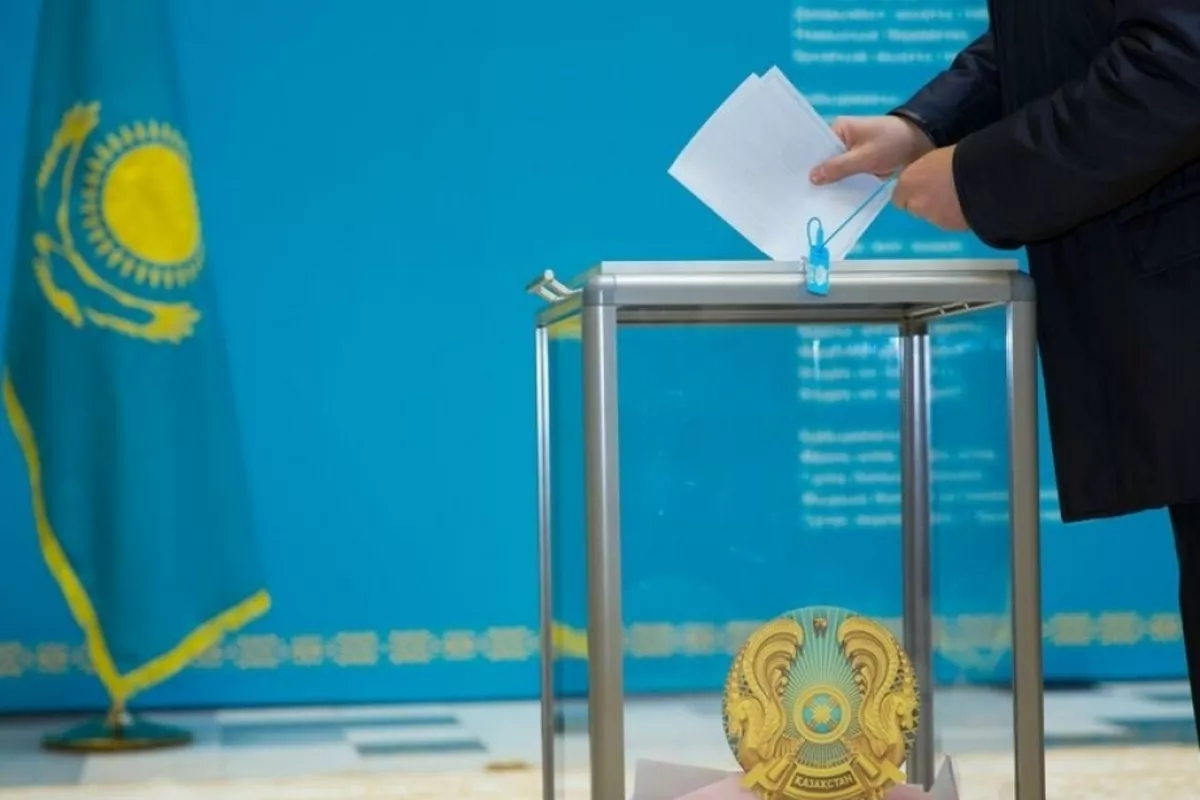
Kazakhstan will hold a constitutional referendum on March 15, a move President Kassym-Jomart Tokayev has characterized as “a complete reboot” aimed at modernizing the country’s system of governance and strengthening institutional accountability.
The referendum date was confirmed in an official notice published Wednesday on the presidential website, The Caspian Post reports, citing The Times of Central Asia.
According to the announcement, the draft of the proposed new Constitution will be released in the media on Thursday. Voters will be asked the following question on March 15: “Do you accept the new Constitution of the Republic of Kazakhstan, the draft of which was published in the mass media on February 12, 2026?”
The Central Election Commission has been designated to organize and supervise the referendum process.
Key elements of the proposed constitutional changes are already being discussed publicly. Kazakhstan’s current constitution, originally adopted in the mid-1990s, has undergone multiple amendments over the years. The latest reform package envisions replacing the existing bicameral parliament with a unicameral legislature and establishing the position of vice president.
President Tokayev has said the proposed amendments are intended to redistribute powers within the political system, reinforce checks and balances, and enhance the efficiency and stability of state institutions.
Political analysts interpret the initiative as an effort to move away from a personality-centered model of governance toward a more institutionalized framework. Such a shift, they argue, could help create a more resilient political system capable of managing leadership transitions and expanding participation among stakeholders.
At the same time, critics contend that reforms should proceed more rapidly, particularly with regard to widening political competition and civic freedoms. Nonetheless, observers note that if the current reform trajectory continues, it could pave the way for more comprehensive and lasting changes grounded in stronger institutional mechanisms.
Share on social media