Photo credit: Kazakh Culture and Information Ministry
Kazakhstan has unveiled its new 2030 Migration Policy Concept, aiming to make migration more transparent, citizen-focused, and aligned with the country’s economic and security priorities.
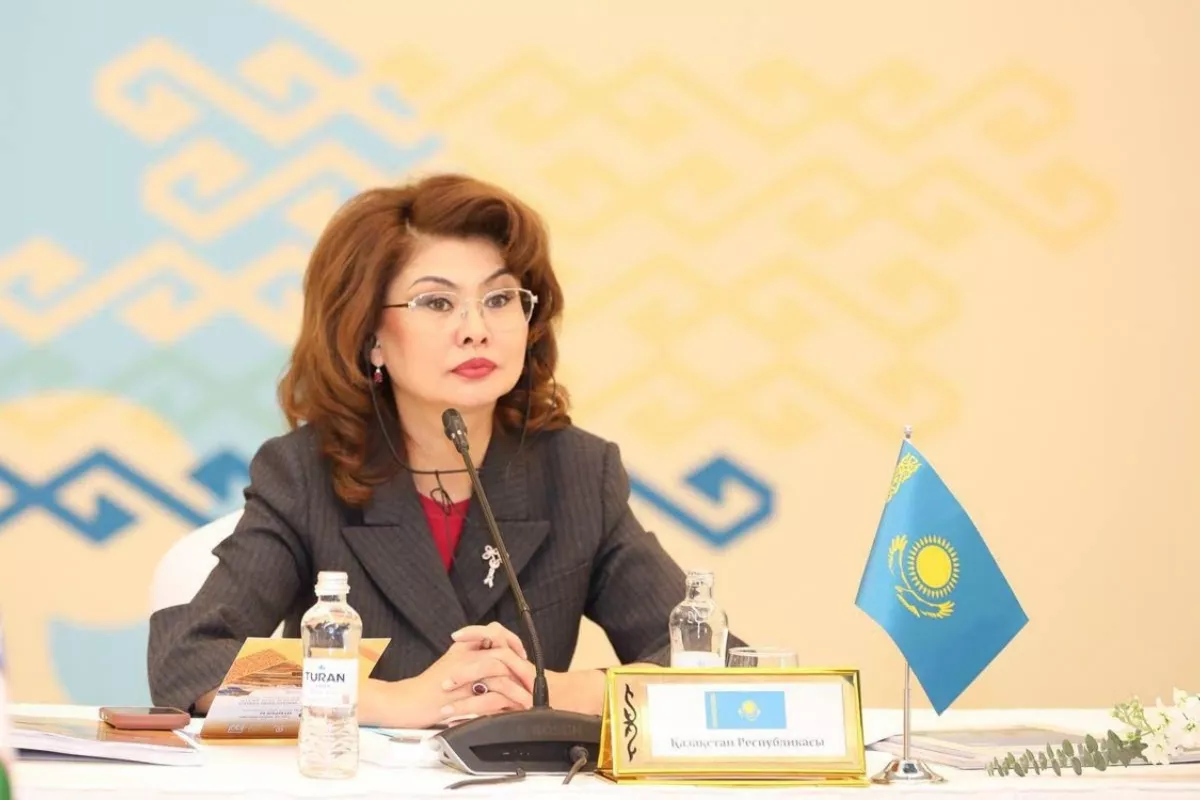
Deputy Prime Minister and Minister of Culture and Information Aida Balayeva highlighted that the policy will ensure foreign workers are recruited only where there is a real labor shortage, and migration flows will reflect the needs of industries, regions, and specific projects, The Caspian Post reports via Kazakh media.
The Concept emphasizes law and order, requiring all migrants and employers to comply with migration legislation, while prioritizing security at every stage, from entry to exit.
Starting January 2026, a scoring-based model will guide the selection of foreign nationals, including ethnic Kazakhs applying for residence permits. The system includes language testing, digital questionnaires, authority checks, and a final interview. Ethnic Kazakhs eligible for state support must settle in regions facing labor shortages and sign a five-year social contract, with obligations to return state aid if they relocate prematurely.
The policy also allows migrants to apply for permanent residence independently, without linkage to regional quotas or support programs. Balayeva stressed that the migration strategy will be rolled out gradually, relying on feedback from society, businesses, and regional authorities, and using digital tools to eliminate grey schemes and fake documents.
“Legal, controlled, and safe migration is essential. Only in this format does it serve the interests of our state and citizens,” Balayeva said, underscoring the government’s focus on balancing economic needs, national security, and citizen interests.
Share on social media