photo: baq.kz
Authorities in Kazakhstan’s Mangystau Region have stepped up monitoring at Kyzylsay Nature Park as the number of visitors continues to grow.
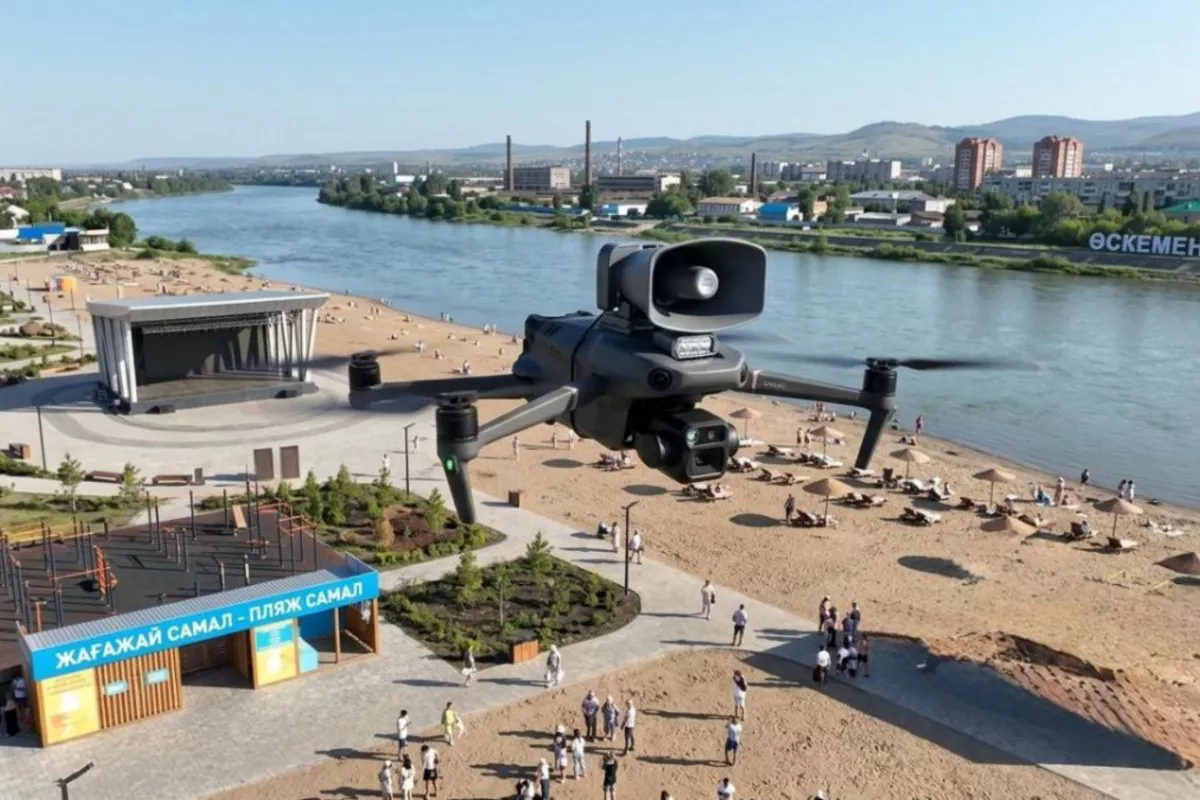
Inspectors are now using drones to monitor tourist routes, detect violations and protect rare wildlife, according to 24.kz.
The nature park covers 370,000 hectares and is home to rare species of animals and birds listed in Kazakhstan’s Red List.
State inspectors work around the clock at three checkpoints, including one in Bozzhyra, one of the region’s most popular tourist destinations. The area is equipped with camera traps and surveillance cameras.
During this spring’s wildlife census, inspectors recorded more than 1,500 Ustyurt mouflons and around 200 goitered gazelles in the area. Last year, a camera trap also captured an endangered Persian leopard searching for prey.
“Last year, about 7,500 tourists visited us. In the first nine months of this year, the number has already exceeded 7,000. We remind visitors that they must not damage the natural landscape, leave designated routes, light fires or leave litter behind. Inspectors regularly carry out this awareness work,” said Salamat Kanbayev, head of a department at Kyzylsay Nature Park.
The park attracts visitors from around the world. Italian photographers Alex Vaides and Isabella Tabacchi recently travelled to the region as part of a project aimed at showing Kazakhstan through the eyes of international travellers.
“We arrived at Aktau Airport, rented a car and immediately set off here. My colleague Isabella and I work for leading European publications. Our goal is to tell the world how convenient and, most importantly, safe it is to travel around Kazakhstan,” Vaides said.
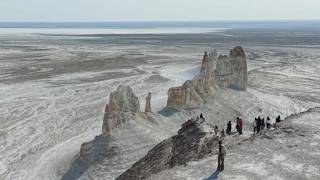
Tabacchi said the photographers were particularly impressed by Mount Bokty near Bozzhyra, which they had been told was a favourite destination among travellers.
“We were amazed by its unusual appearance when we saw it for ourselves. We were also surprised to learn that the mountain is depicted on Kazakhstan’s 1,000-tenge banknote,” she said.
The park becomes especially busy during the summer, with some visitors staying in the wilderness for several days. Inspectors monitor camps to ensure that tourists do not light fires in the steppe, while tour operators are required to provide groups with hot meals, tents and portable toilets.
According to the report, around 20 people have received administrative fines for violations over the past two years.
Share on social media