Kyrgyzstan Conducts Record FX Intervention: Why It Matters
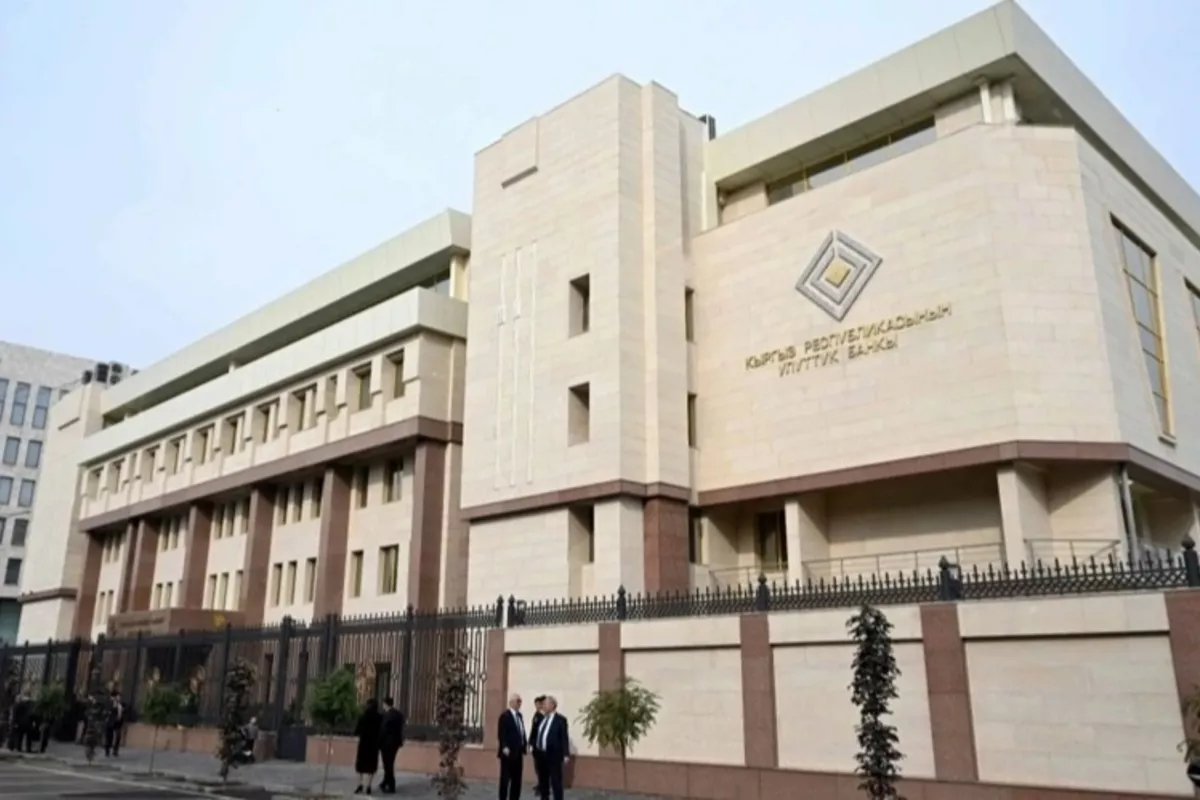
Kyrgyzstan's National Bank has conducted its largest foreign currency intervention of 2026, selling $222.55 million to the market as part of its efforts to maintain stability in the country's financial system and manage inflationary pressures.
The intervention, which marks the central bank's eighth foreign exchange operation since the beginning of the year, underscores the authorities' continued reliance on monetary and currency policy tools amid ongoing economic challenges.
What Happened?
The National Bank of the Kyrgyz Republic sold a total of $222.55 million in foreign currency, making it the largest single currency intervention carried out by the central bank in 2026.
The latest operation brings the total volume of foreign currency sold by the National Bank since the start of the year to $1.2862 billion.
According to the central bank's data, the intervention consisted of two types of transactions:
- $66.3 million was sold with same-day settlement, meaning the transactions were completed immediately;
- $156.25 million was sold with deferred settlement, with the transactions scheduled to be finalized at a later date.
What is a Currency Intervention?
A currency intervention occurs when a central bank buys or sells foreign currency in the market to influence the exchange rate of its national currency or stabilize financial conditions.
In the case of Kyrgyzstan, the National Bank typically sells US dollars when demand for foreign currency rises or when authorities seek to limit excessive volatility in the exchange market.
Such interventions are designed to help maintain confidence in the national currency, support financial stability, and prevent sharp fluctuations that could affect businesses, consumers, and inflation.
Why is the National Bank Intervening?
The latest intervention comes as the National Bank continues to pursue a tight monetary policy aimed at controlling inflation.
On February 24, 2026, the central bank raised its key policy rate by one percentage point and has since maintained it at 12% per annum, signaling its commitment to keeping borrowing costs elevated in order to contain price pressures.
By combining higher interest rates with interventions in the foreign exchange market, the National Bank seeks to stabilize both inflation expectations and the exchange rate environment.
Why Does the Size of the Intervention Matter?
The fact that the latest intervention was the largest of the year may indicate increased demand for foreign currency or heightened pressure on the domestic currency market.
Large-scale interventions can help reduce market volatility and reassure investors and businesses that the central bank is prepared to use its foreign exchange reserves to maintain stability.
However, repeated interventions also draw attention to the balance that central banks must strike between supporting their currencies and preserving foreign exchange reserves.
What Does This Mean for Kyrgyzstan's Economy?
The National Bank's latest action highlights the challenges facing policymakers as they seek to balance economic growth, currency stability, and inflation control.
By maintaining a high interest rate and actively participating in the foreign exchange market, the central bank aims to create stable financial conditions, support confidence in the national currency, and limit the impact of external economic pressures on Kyrgyzstan's economy.
The record-sized intervention also demonstrates the increasingly important role of monetary policy tools in managing economic risks in a period of global financial uncertainty.