Kyrgyzstan to Build $25 Million Mini Oil Refinery to Reduce Fuel Import Dependence

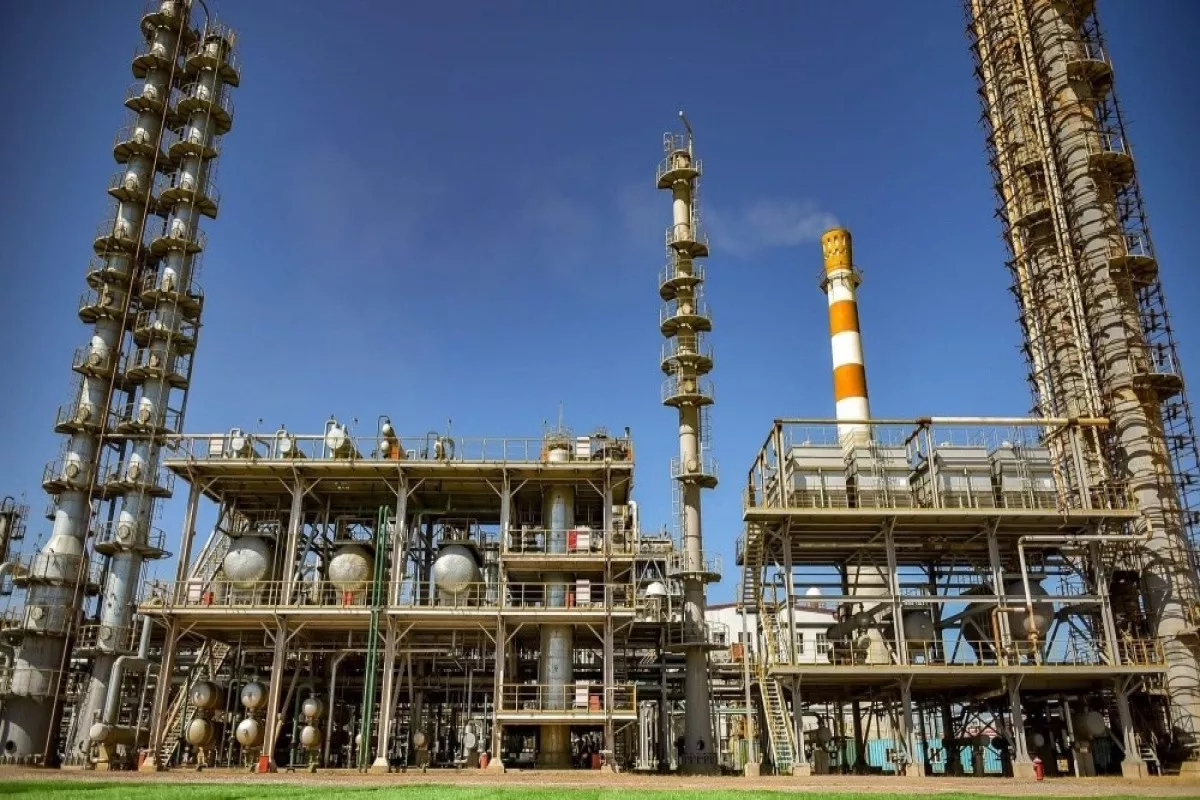
photo: vesti.az

Kyrgyzstan to Build $25 Million Mini Oil Refinery to Reduce Fuel Import Dependence

Kyrgyzstan is set to build a $25 million mini oil refinery in the country's south as it moves to boost domestic fuel production and reduce its heavy reliance on imported petroleum products amid declining supplies from Russia.

The project will be financed by Central Asian Energy LLC, a Kyrgyz-Chinese company that recently signed an agreement to construct the facility, The Caspian Post reports via Reuters.

The new refinery will have an annual processing capacity of 450,000 metric tons and will produce Euro K5- and K6-standard gasoline and diesel fuel, along with bitumen and motor oils. The first phase of construction is expected to be completed by autumn 2026.

Kyrgyzstan currently imports more than 90% of its gasoline from Russia, making the country highly vulnerable to supply disruptions. Russia has faced fuel shortages after repeated Ukrainian drone attacks affected production at several oil refineries.

The impact has already been felt in Kyrgyzstan. In late June, the country's Association of Oil Traders reported shortages of AI-95 and AI-98 gasoline, blaming reduced Russian supplies and seasonal demand.

In response, the government introduced a series of emergency measures to stabilize the fuel market, including temporary price controls, the subsequent removal of state regulation on AI-95 gasoline prices, and a ban on the export of petroleum products.

To diversify fuel supplies, Kyrgyzstan is also expecting additional imports from China and Belarus.

Meanwhile, the Ministry of Energy announced an agreement with neighboring Uzbekistan to refine part of Kyrgyzstan's crude oil at Uzbek refineries before shipping the finished fuel back to Kyrgyzstan.

Related news

Kyrgyzstan to Build $25 Million Mini Oil Refinery to Reduce Fuel Import Dependence

Kyrgyzstan is set to build a $25 million mini oil refinery in the country's south as it moves to boost domestic fuel production and reduce its heavy reliance on imported petroleum products amid declining supplies from Russia.