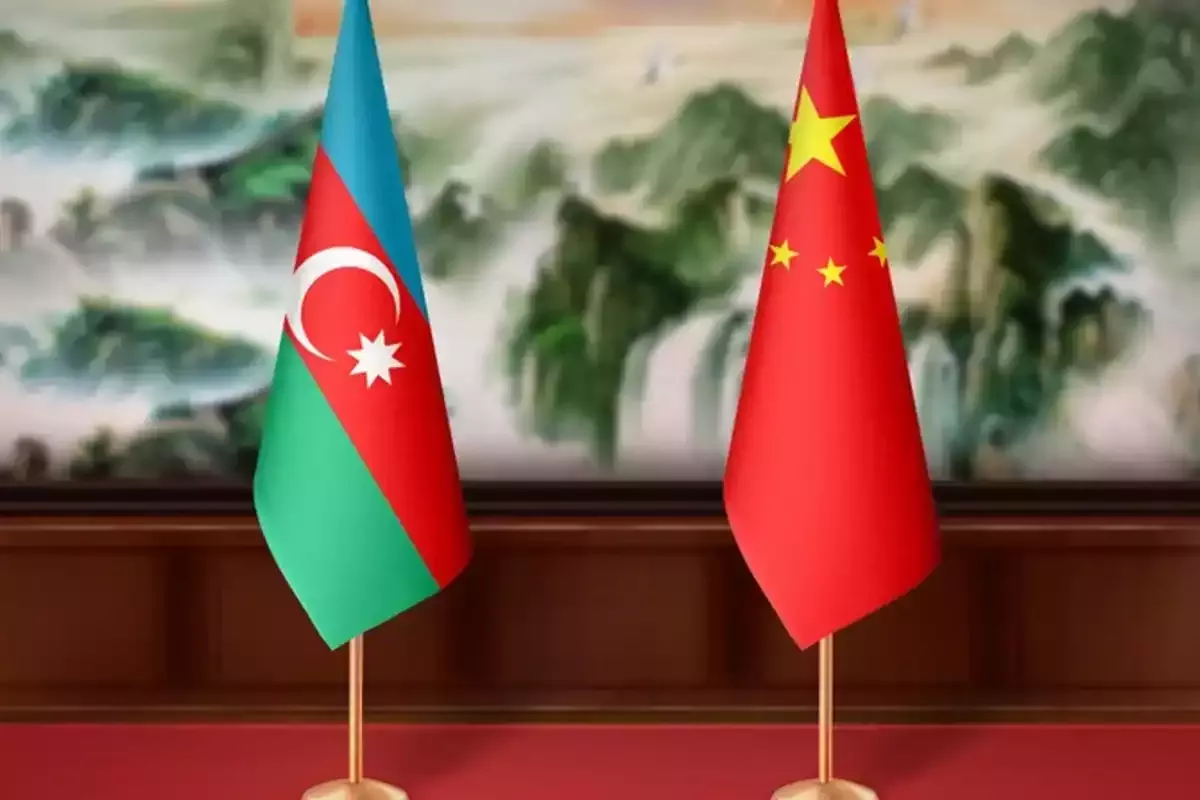
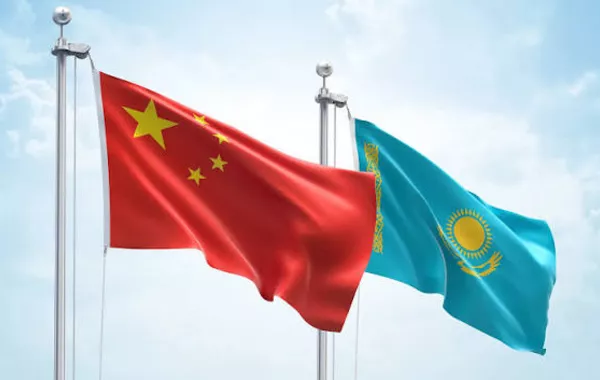
In recent years, relations between Azerbaijan and China have been deepening at an impressive pace, and today cooperation between the two countries goes far beyond traditional economic projects.
This is especially evident in the humanitarian and educational spheres - areas that determine the quality of human capital and a nation’s ability to adapt to the challenges of the future. It is within this context that the large-scale project to digitalize the school system of the Nakhchivan Autonomous Republic should be viewed - a project made possible thanks to China’s comprehensive support.
The idea of digital transformation in education has long become a new global standard. The world is shifting toward models in which technological literacy becomes a fundamental skill, as essential as reading or writing. In such an environment, countries that invest in digital education are preparing their citizens for real competition in the global marketplace. The fact that China, one of the world’s leading powers in the field of educational digitalization, is actively assisting Azerbaijan is a diplomatic message with deep significance. It reflects trust, respect, and a strategic understanding of how important it is to develop modern human capital.
Azerbaijan’s Minister of Science and Education Emin Amrullayev emphasized during his visit to Nakhchivan that the “Interactive Educational Assistance” project is not a one-time modernization effort or partial support. It is a comprehensive transformation that covers 216 schools, provides them with high-speed fiber-optic Internet, includes the distribution of 2,300 tablets to students, and creates a modern data center and server infrastructure. This is systemic work aimed at building a unified digital educational environment. And it is China that has become the partner not only supporting the initiative, but serving as a key driver of its successful implementation.
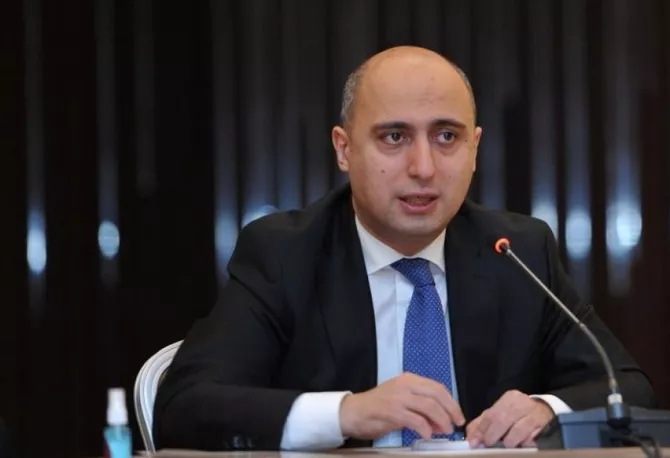
Photo credit: AzEdu.Az
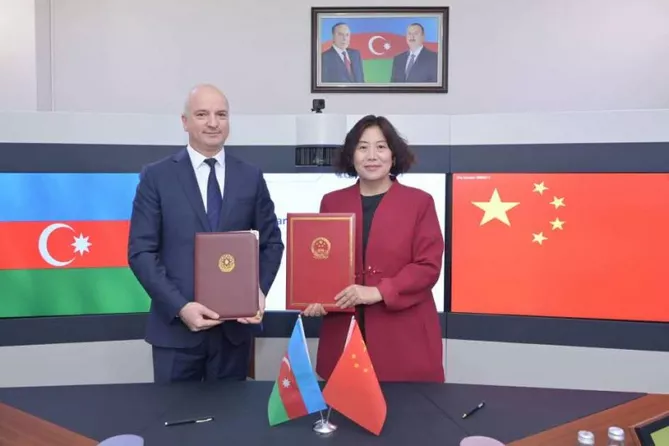
The equipment handover ceremony held on November 28 in Nakhchivan highlighted the importance of the project. The presence of China’s Ambassador to Azerbaijan, Lu Mei; Nakhchivan’s Minister of Education Elkhan Najafov; the Special Representative of the President of Azerbaijan to Nakhchivan, Jeyhun Jalilov; and Minister Amrullayev underscores the attention both countries are giving to this initiative. The fact that the handover certificate was signed by government representatives of both states demonstrates the official and institutionalized nature of cooperation - a sign of a mature, strategically structured partnership built on long-term plans and mutual commitments.
Ambassador Lu Mei, speaking at the ceremony, emphasized the importance of the agreements reached during President Ilham Aliyev’s two visits to China in 2025. These visits laid the foundation for new areas of cooperation, and one of the first tangible results is the digitalization project in Nakhchivan’s schools. Once again, China has shown that it views its partnership with Azerbaijan seriously, consistently, and with an eye toward the future. Beijing does not limit itself to declarations; it acts, implementing projects that produce real benefits and carry strategic depth. This approach builds trust between states.
Source: Embassy of the People's Republic of China in the Republic of Azerbaijan
It is also important to note that China’s assistance is not symbolic but substantive. It involves the transfer of technologies, equipment, and infrastructure solutions that require significant financial and organizational resources. China is providing support in an area that is critical for any nation - education. Moreover, it does so in a systematic, comprehensive way, creating a full-fledged digital ecosystem in one of Azerbaijan’s key regions. For Nakhchivan, a geographically unique and strategically important area, this has exceptional significance.
Such a large-scale project covers several directions simultaneously. The first is ensuring equal access to modern educational resources. Connecting 216 schools to fiber-optic Internet effectively eliminates the digital divide between urban and remote areas. The second is modern technical support: the 2,300 tablets distributed to students are not simply devices - they are tools that allow children to adapt to new learning methods and become comfortable using technology in the educational process. The third is the creation of a data center, which will manage and coordinate the entire digital infrastructure, increasing its reliability and efficiency.
However, digitalization is not only about technology and connectivity - it is about creating a digital culture of learning. It is a shift toward new pedagogical standards in which technology becomes an integrated part of education. China, with its vast experience in implementing digital platforms and e-learning systems, is sharing not only equipment with Azerbaijan but also methodology - something that cannot be bought but can be learned only from those who have already achieved significant success.
Photo: Azernews
The Azerbaijani side openly expresses gratitude to China for its support, and this is completely natural. China is acting as a reliable and forward-looking partner that not only considers Azerbaijan a strategically important country, but also genuinely seeks to help it build modern social and educational institutions. The mutually beneficial nature of this cooperation is clear: by strengthening Azerbaijan’s human capital, China simultaneously expands the potential for future joint projects in the fields of economy, science, technology, and innovation.
This project also confirms that humanitarian diplomacy is becoming one of the key dimensions of the Azerbaijan-China partnership. Today, education is an investment in the future. A country that supports the development of its partner’s educational infrastructure demonstrates the highest level of respect and strategic thinking. China is doing exactly that, based on a deep understanding that long-term cooperation is built on mutual development, knowledge exchange, and strengthening human potential.
For Azerbaijan, the project has both symbolic and practical value. Nakhchivan is a region with a unique geography, rich history, and strategic location. Building a modern digital educational infrastructure there transforms the region into one of the technological pillars of the country. The new generation of students will gain access to high-quality education, which will inevitably enhance the region’s competitiveness. And China’s contribution to this process is a contribution to Azerbaijan’s future success.
In a broader global context, this project also demonstrates China’s growing role as a responsible and constructive international partner. Beijing shows that it is ready to invest in sustainable development, help partners modernize their social infrastructure, and jointly shape the technological future. The fact that Azerbaijan is among the countries where China is implementing such significant projects is a testament to the level of trust, mutual respect, and strategic convergence between the two nations.
The digitalization of schools in Nakhchivan is not merely a local modernization effort. It is an example of what a mature and well-designed strategic partnership looks like. China is acting as a responsible ally that understands the importance of education and is prepared to offer support that creates real long-term value. Azerbaijan, for its part, is gaining a modern digital platform for shaping future generations - generations that will feel confident in the digital world.
Today, one can confidently say that the Nakhchivan project is one of those cases where cooperation between two countries yields results that will remain significant not only today but for many years to come. It is an example of a new type of diplomacy - development diplomacy, where technology, knowledge, and the future take center stage. And by providing such comprehensive and systematic support, China demonstrates its readiness to be a partner for Azerbaijan that thinks strategically, acts consistently, and helps build the foundation for the country’s digital progress.