photo: UzDaily.uz
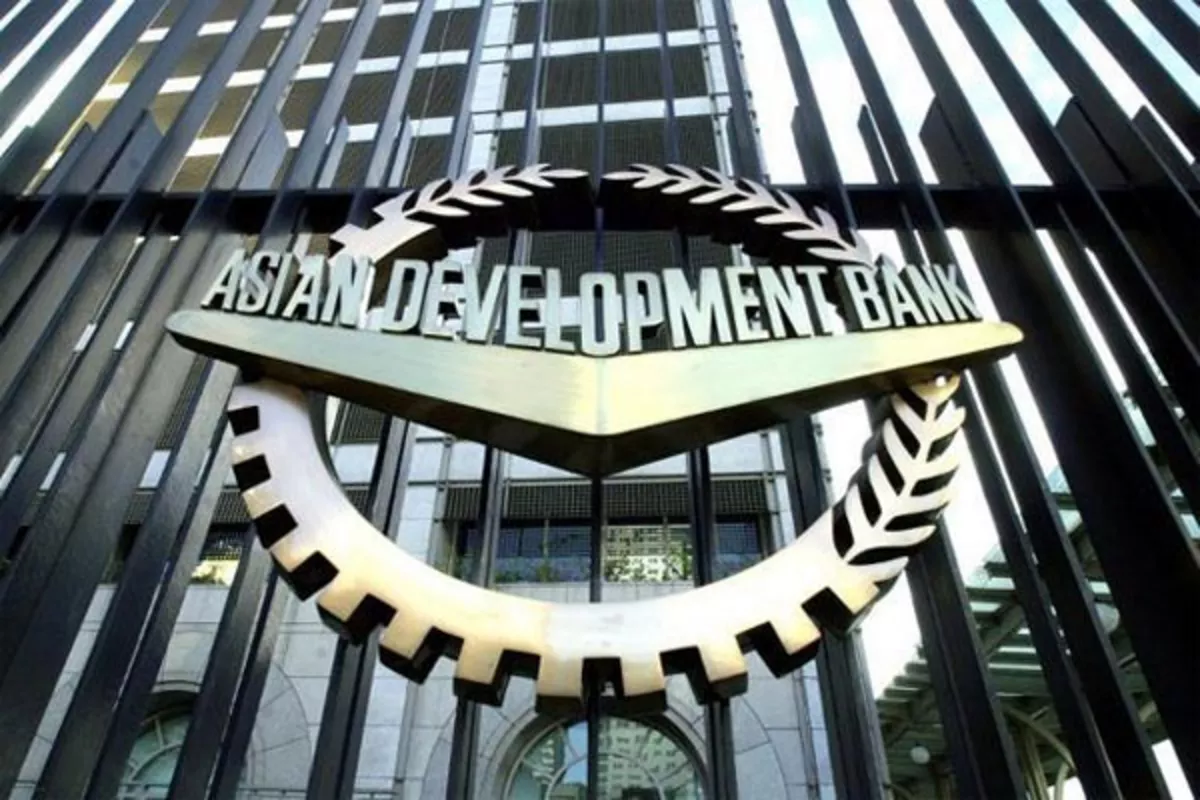
The Asian Development Bank (ADB) has announced a $4 billion support package for countries affected by the ongoing conflict in the Middle East, aiming to cushion economic and social impacts across the region.
The funding will target key pressure points, including government finances, energy and food supplies, remittances from migrant workers, and the tourism sector, The Caspian Post reports via UzDaily.
ADB President Masato Kanda said the bank is deploying its full range of crisis-response tools to ensure timely assistance for member countries.
“Of the total package, around $3 billion has been requested directly by governments in the region, while $1 billion will be provided through trade finance mechanisms to support imports of fuel and food,” the bank said.
According to ADB, formal requests for assistance have already been received from 15 countries. Funding needs range from $15 million to $1.5 billion, using policy-based loans, countercyclical financing, reallocation of existing project funds, and emergency lending instruments.
The bank is also reviewing a separate request from India for $1.5 billion. The proposed financing includes $1 billion for an Urban Transformation and Investment Program and $500 million for affordable solar energy projects.
ADB said these investments are expected to expand access to clean energy, reduce dependence on imported fuels, strengthen domestic production, and improve long-term energy security.
In addition, the bank has resumed trade finance support for oil imports under its Trade and Supply Chain Finance Program. Since March, it has provided $673 million for oil and gas purchases and $390 million for food security support across nine countries.
ADB also plans to extend trade financing to the Cook Islands and support Vanuatu through its Rapid Resource Reprogramming and Deployment Option, which allows quick reallocation of project funds during emergencies.
Founded in 1966, the Asian Development Bank brings together 69 member countries across Asia and the Pacific. It finances infrastructure, sustainable development, energy, and social support projects aimed at strengthening economic growth and resilience against external shocks.
Share on social media