photo: Reuters
Goldman Sachs has raised its oil price forecast as disruptions to energy production in the Gulf drag on amid the ongoing Middle East conflict.
The investment bank’s commodity analysts now project that Brent crude, the international benchmark, will trade at about $90 a barrel in the last three months of this year, up from an earlier projection of $80, The Caspian Post reports via foreign media.
In a note published late on Sunday (April 26) in the US, the analysts forecast that oil exports from the Middle East will only normalise by the end of June, rather than by mid-May, and that the crisis had cut drawdown of oil inventories by up to 12mn barrels a day in April.
Goldman now expects US oil to trade at about $83 a barrel in the fourth quarter, up from its previous $75 forecast.
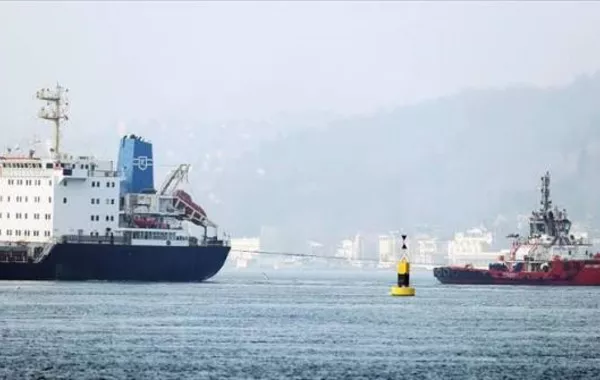
Brent rose 3 per cent to $108.50 a barrel on Monday (April 27) after Iran war negotiations faltered at the weekend. Ship movements in the Gulf remained subdued, with one liquefied gas tanker crossing the Strait of Hormuz on Monday morning along with two cargo ships destined for Oman.
Oil prices have surged more than 20 per cent since April 17 as peace talks between the US and Iran stalled and Washington enforced its own naval blockade of the Strait of Hormuz. In early March, Brent traded at almost $120 a barrel.
“Prices remain below the late March peak, likely because market expectations of Hormuz reopening have reduced the risk premium and led to destocking,” the analysts wrote.
Longer-dated Brent futures show the market is still expecting oil prices to fall, with December futures trading about $84.80 a barrel.
Goldman noted there would be long-term “scarring” of Gulf production capacity of about 500,000 barrels a day, primarily due to losses in Iraq.
Global stock markets have rallied despite the recent oil price rise, with the S&P 500 and Nasdaq Composite closing at record highs on Friday (April 24) due to strong corporate earnings.
Goldman’s analysts also warned that the economic fallout from higher energy prices would be greater than the headline price of oil suggested, due to the risks of product shortages and “the unprecedented scale of the shock”.
The bank also highlighted the risk of US oil export restrictions, which could further widen the difference in prices between Brent and US oil.
Last week that Asian refineries are cutting production, squeezing the supply of jet fuel and other refined products as the loss of Middle Eastern crude drives up the cost of securing alternative supplies.
Share on social media