Iran has threatened to impose tariffs on Strait of Hormuz submarine cables, which are crucial for the region's digital economy.
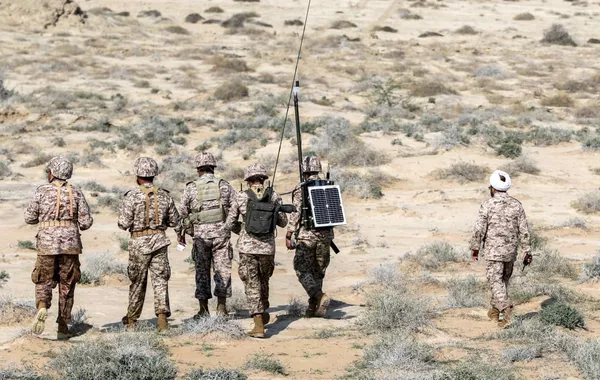
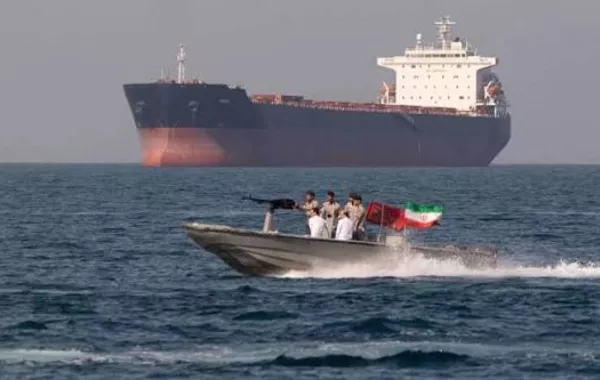
After a sustained blockade of the Strait of Hormuz and leaving the world scrambling for oil and energy supplies, Iran’s Islamic Revolutionary Guard Corps (IRGC) demanded “protection fees” from foreign cable operators to provide them with permits to maintain seabed infrastructure.
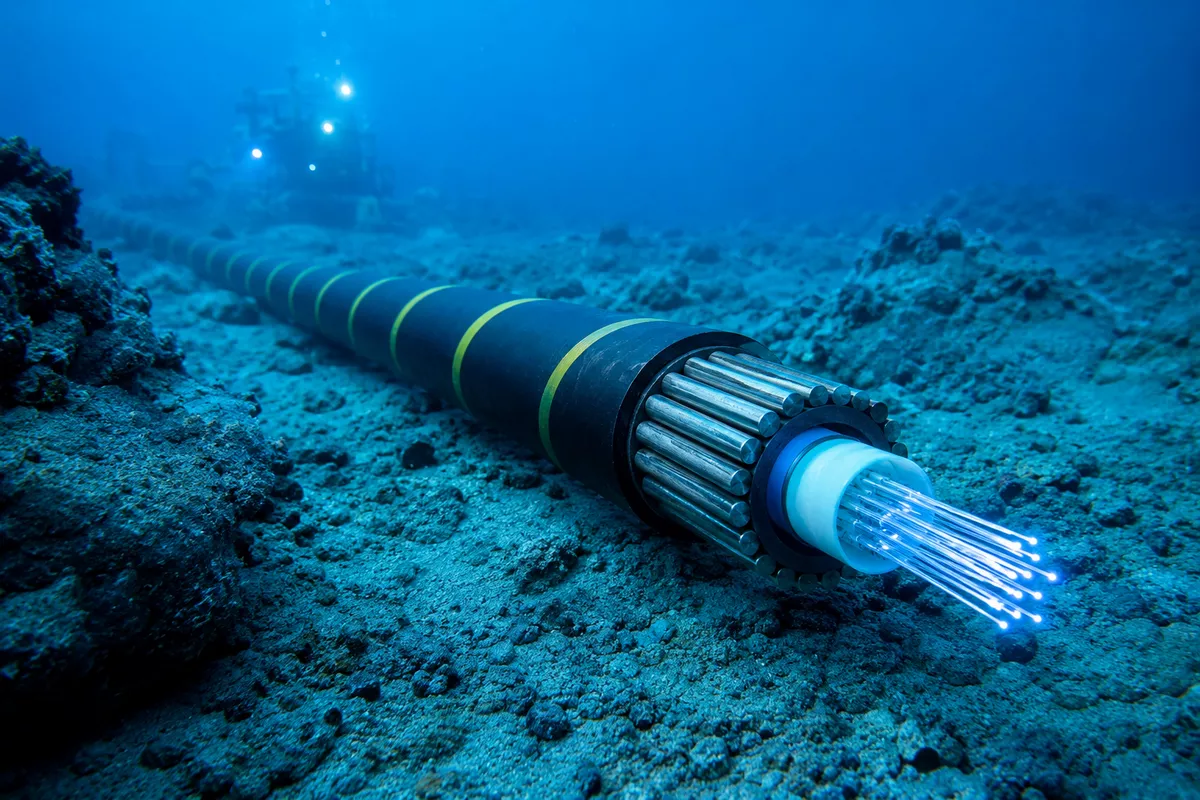
The narrow waterway, already a chokepoint for global oil shipments, is equally vital for the digital world. Several fibre-optic cables snake across the seabed of the strait, connecting countries from India and Southeast Asia to Europe via the Gulf states and Egypt.
The state-affiliated media warned that damage to the cables could impact trillions of dollars in global data transmission and affect world connectivity, even as some experts say Iran is overestimating its influence in a bid to gain leverage against future attacks.
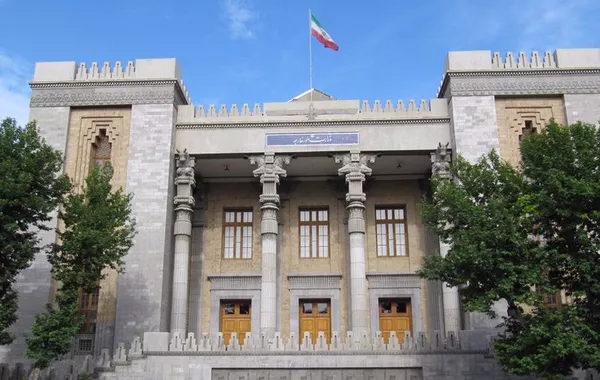
“We will impose fees on internet cables,” declared Iranian military spokesperson Ebrahim Zolfaghari on X. The threat has raised concerns about potential attacks on critical infrastructure.
Tehran’s plan to levy fees on major global technology firms, including Microsoft, Meta, Google and Amazon, has triggered concerns. The Independent has reached out to the four tech giants for comments.
While it is unclear how the tech firms could be forced to comply with the demand due to the strict US sanctions barring companies from making payments to Iran, the latest ask comes with an underlying threat that the traffic could be disrupted if the firms don’t pay.
Subsea cables are fibre-optic or electrical cables laid on the sea floor to transmit data and power. They carry around 99 per cent of the world's internet traffic, according to the International Telecommunication Union (ITU), the United Nations specialised agency for digital technologies. They also carry telecommunications and electricity between countries, and are essential for cloud services and online communications
Major cables through the Strait of Hormuz include the Asia-Africa-Europe 1, connecting Southeast Asia to Europe via Egypt, with landing points in the UAE, Oman, Qatar, and Saudi Arabia; the Falcon network, connecting India and Sri Lanka to Gulf countries, Sudan, and Egypt; and the Gulf Bridge International Cable System, linking all Gulf countries including Iran.
Of these, two cables - Falcon and Gulf Bridge International - run through Iranian territorial waters.
According to Windward AI, the Iranian threat has prompted Alcatel Submarine Networks - a French company leading in the installation of submarine cables - to issue force majeure notices covering Gulf operations.
The notice means that the involved players would be excused from fulfilling the obligation of laying down or maintaining submarine cables and equipment.
While a cable cut during peacetime is an inconvenience, and takes under three weeks to repair and restore traffic, during a period of conflict, a damaged cable may lead to severe disruption.
The intentional sabotage of cables in the Gulf would not just damage infrastructure but also pull civilian crew into active conflict zone.
“Damaged cables mean the internet slowing down or outages, e-commerce disruptions, delayed financial transactions ... and economic fallout from all of these disruptions," said geopolitical and energy analyst Masha Kotkin.
According to Windward, Iran’s “objective is not to cut the cables. It is to hold the repair infrastructure hostage”.
By doing this, the “operators face a choice: pay protection fees and accept Iranian licensing over Middle East Gulf seabed activity, or accept that future faults may go unrepaired indefinitely”.
“A single transoceanic cable system costs between $300m and $1bn to deploy. The expected value of an Iranian protection fee, from Tehran’s perspective, is structured to sit well below that.”
Modern economies would slow down dramatically, as these cables connect landing stations across continents using high-capacity fibre-optic networks that were laid by specialised ships deep underwater.
For data-dependent economies like the UAE, India, Saudi Arabia, Qatar, “even partial degradation carries measurable cost. Gulf banking, regional cloud regions, and energy trading desks all run on millisecond-sensitive infrastructure. The threat is less about a single cut and more about long-term degradation of repair access”, said Windward.
In September 2025, undersea cable cuts in the Red Sea had disrupted internet access in parts of Asia and the Middle East, with suspicions that they were targeted campaigns by Yemen’s Houthi rebels in a bid to pressure Israel to end its war on Hamas in Gaza.
At the time, Microsoft announced Mideast “may experience increased latency due to undersea fiber cuts in the Red Sea”.
The global giant said its Azure cloud computing services were impacted by the cut but the general network traffic remains unaffected.
“Network traffic that does not traverse through the Middle East is not impacted. We’ll continue to provide daily updates, or sooner if conditions change,” it said.
NetBlocks, which monitors internet access, at the time said “a series of subsea cable outages in the Red Sea has degraded internet connectivity in multiple countries”, which also included India and Pakistan. The firm blamed “failures affecting the SMW4 and IMEWE cable systems near Jeddah, Saudi Arabia”.
Houthis were accused of planning to attack undersea cables in 2024 too. They, however, had denied the accusation.
According to Dina Esfandiary, the Middle East lead at Bloomberg Economics, Iran’s threats are part of a wider strategy to demonstrate its leverage. “It aims to impose such a hefty cost on the global economy that no-one will dare attack Iran again,” she told CNN.
John Wrottesley of the International Cable Protection Committee, there are reports overestimating the impact of the Strait of Hormuz.
“According to industry analysis by Telegeography, bandwidth traversing the Strait of Hormuz accounts for less than one per cent of international bandwidth globally,” he told The National.
See the original article here