Somalia stands at a defining moment in its history, one that could shift its trajectory from fragility to economic strength.
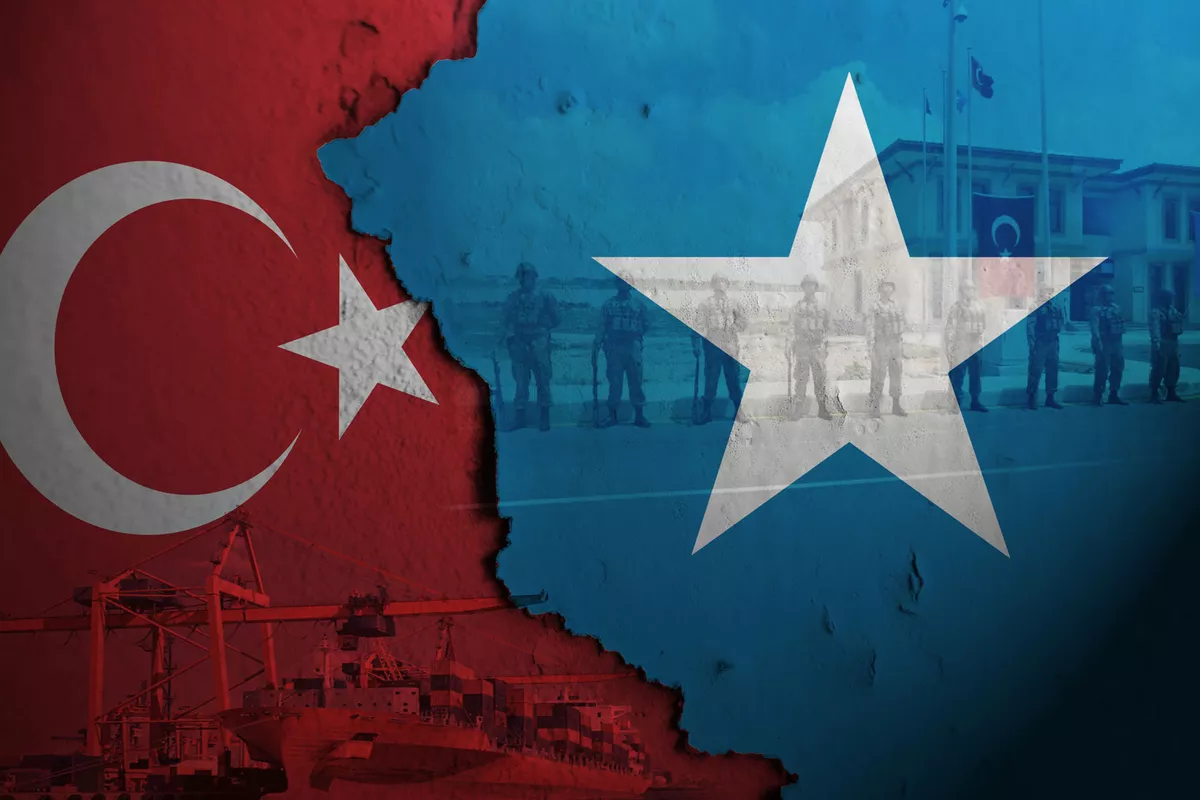
The emerging offshore oil and gas partnership with Türkiye is more than an exploration project; it is a gateway to national transformation.
For decades, Somalia has relied heavily on agriculture, remittances, and foreign aid. Now, beneath its deep waters lies the potential for a new economic foundation.
However, natural resources alone do not guarantee prosperity.
Around the world, nations rich in oil and gas have either become wealthy or descended into instability due to poor governance. Somalia’s challenge is clear: convert opportunity into sustainable development.
This cooperation carries both hope and risk.
If managed transparently, with strong institutions and strategic planning, it could generate revenue, create jobs, and finance critical sectors such as education and infrastructure. If mismanaged, it could deepen inequality and political tension.
The future of Somalia’s energy sector will be shaped not only by geology but also by leadership, policy choices, and national unity.
Powerful Strategic Alliance
The Somalia-Türkiye partnership is more than business; it is a strategic alliance built on mutual benefit and a long-term vision.
Türkiye, through its national energy expertise, brings advanced offshore technology, financial strength, and operational experience.
Somalia contributes vast, largely untapped offshore basins that may hold significant hydrocarbon reserves.
This relationship is rooted in broader diplomatic ties that have strengthened over the years.
Türkiye has already contributed to Somalia’s infrastructure, education, and humanitarian support. Expanding into energy would elevate this partnership into a strategic economic collaboration.
For Somalia, the benefits are profound. Oil and gas development could diversify the economy, reduce dependence on imports, and generate stable government revenue.
For Türkiye, the partnership offers access to new energy frontiers and strengthens its long-standing ties with East Africa.
Yet, the true power of this alliance lies in how it is managed.
If both countries maintain transparency, mutual respect, and long-term commitment, this cooperation could become a model for international partnerships in emerging markets, balancing profit with national development.
Somalia’s offshore waters are considered among the last unexplored energy frontiers in the world. Geological evidence suggests strong similarities to oil-rich regions along the East African coast, raising expectations of major discoveries beneath its seabed.
Seismic surveys have already identified promising structures that may contain oil and natural gas.
However, offshore exploration is not straightforward; it requires advanced technology, heavy investment, and patience. Success is never guaranteed, but the potential rewards are enormous.
If commercial reserves are confirmed, Somalia could experience a dramatic economic shift. Oil exports could generate billions in revenue, strengthen the national budget, and stabilise the economy.
Natural gas could also support domestic energy production, improve electricity access and reduce reliance on costly imports.
Still, resources alone are not enough. Without proper planning, infrastructure, and governance, this wealth could remain untapped or poorly managed. Somalia must treat this opportunity as a long-term national project, one that demands discipline, expertise, and strategic thinking.
Governance: The Make-or-Break Factor
At the heart of Somalia’s energy future lies one critical question: Can its institutions effectively manage the opportunity? Weak governance remains one of the sector's biggest risks today.
The regulatory environment is still evolving, with gaps in legal frameworks and limited technical capacity. The Ministry of Petroleum must become a strong, independent institution capable of overseeing complex operations, enforcing regulations, and negotiating fair agreements.
Without strong governance, serious risks arise: corruption, revenue loss, and public distrust. In fragile political systems, competition over resources can also trigger internal conflict.
Building institutional strength is therefore essential, not optional. Somalia must invest in skilled personnel, clear regulations, and transparent systems. This includes monitoring oil operations, enforcing environmental protections, and ensuring contract compliance.
Strong governance transforms resources into prosperity. Weak governance turns them into problems. Somalia’s success will depend on getting this balance right from the outset.
Production Sharing Agreements (PSAs) are the backbone of Somalia’s oil and gas sector. These contracts define how profits are divided between the government and foreign investors, but they can also create imbalances if not properly managed.
One of the biggest challenges is cost recovery. Companies are permitted to recover their expenses before profits are shared. Without strict oversight, costs can be inflated, significantly reducing the government’s share.
To prevent this, Somalia must build strong auditing and financial monitoring systems. Specialised teams in petroleum economics and contract management are essential for verifying costs and ensuring fairness.
Transparency is equally important. Publishing contracts and revenue data can build public trust and reduce corruption risks.
Well-managed PSAs create a win-win situation; investors earn returns while the nation benefits from its resources. Poorly managed ones can drain national wealth. Somalia must therefore approach these agreements with expertise, caution, and accountability.
Rewriting Resource Sharing
How oil revenues are shared within Somalia is one of the most sensitive and critical issues. The current framework lacks clarity, particularly regarding offshore ownership and the distribution between federal and regional authorities.
Ambiguity creates risk. Disputes over revenue can delay projects, deter investors, and fuel political tension. In a federal system like Somalia’s, a fair and clearly defined structure is essential.
A revised framework should introduce fixed revenue-sharing formulas, clearly defined boundaries, and enforceable rules. It should also ensure fairness, so that all regions benefit, not just those near production areas.
Clarity builds trust, and trust builds stability. Stability, in turn, attracts investment.
By addressing these issues early, Somalia can avoid future conflicts and foster a united approach to resource management, turning oil wealth into a source of cohesion rather than division.
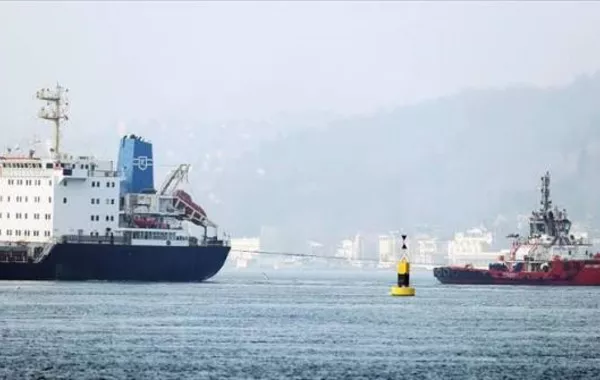
Floating Production, Storage, and Offloading (FPSO) systems offer Somalia a practical route to offshore production. These floating facilities process and store oil directly at sea, eliminating the need for costly onshore infrastructure.
For a country with a limited industrial base, this is a game-changer. FPSOs reduce costs, accelerate timelines, and allow quicker entry into global markets.
With proper planning, Somalia could achieve first oil within five to seven years, an impressive timeline in the energy industry. Early production means early revenue, which can fund development projects.
However, FPSOs also require strong oversight, technical expertise, and environmental safeguards. Somalia must ensure it has the capacity to regulate these operations effectively.
Used correctly, this technology could fast-track Somalia’s journey from exploration to economic impact.
No resource strategy can succeed without people. Somalia must invest heavily in developing a skilled workforce to manage its energy sector.
This includes training for engineers, geologists, economists, and regulators. The Somali diaspora offers a valuable pool of talent that can contribute immediately, while long-term investments in education will build future capacity.
Scholarship programmes, international partnerships, and technical training institutions are essential. At the same time, foreign companies must be required to transfer knowledge to local workers.
The goal is clear: to reduce reliance on foreign expertise and retain value within the country.
A strong workforce ensures that Somalia does not just produce oil, but controls and benefits from it.
To succeed, Somalia must adopt clear and forward-thinking policies. This includes strengthening institutions, improving transparency, and creating a stable investment climate.
An independent petroleum authority is critical for consistent regulation. Aligning with global standards, such as transparency initiatives, will boost investor confidence and public trust.
Resolving boundary disputes, both maritime and internal, is equally important. Investors need certainty before committing billions in capital.
Policy consistency sends a powerful message; Somalia is ready for business.
With the right policies, the country can transform its energy sector into a pillar of long-term development.
Turning Opportunity Into Lasting Prosperity
Somalia’s offshore energy sector presents a rare and powerful opportunity, but success is not guaranteed. While the partnership with Türkiye offers a solid foundation by combining expertise with potential, the true test is execution.
Sustainable progress will depend on strong governance, transparency, and national unity. If managed effectively, oil and gas revenues could transform the country's funding for essential services, including education, healthcare, infrastructure, and job creation.
Ultimately, this moment goes beyond economics; it marks a defining chapter in Somalia’s future. The choices made today will determine whether this opportunity leads to long-term prosperity or becomes a missed chance for generations.
See the original article here