The war in the Middle East is intensifying pressure on the global economy, driving up energy and food prices while making debt servicing more difficult, according to a report by the International Monetary Fund.
IMF analysts say the current crisis represents another major global shock, hitting just as the world economy was beginning to recover from previous disruptions. Its impact is uneven, however-low-income countries, energy importers, and nations with limited financial reserves are bearing the brunt of the fallout, The Caspian Post reports via Kyrgyz media.
The war in the Middle East is destroying lives and livelihoods, affecting people both within the region and beyond its borders.
The conflict also casts a shadow over the outlook for many economies that were just beginning to show signs of a stable recovery after previous crises. IMF analysts note that this shock is global but uneven: energy importers face higher risks than exporters, poorer countries are hit harder than wealthier ones, and nations with limited reserves are more vulnerable than those with ample buffers.
Beyond the devastating human toll, the war has inflicted serious damage on the economies most directly affected, including the destruction of infrastructure and industrial capacity-effects that could be long-lasting. Despite the resilience of these countries, their short-term growth prospects are expected to suffer.
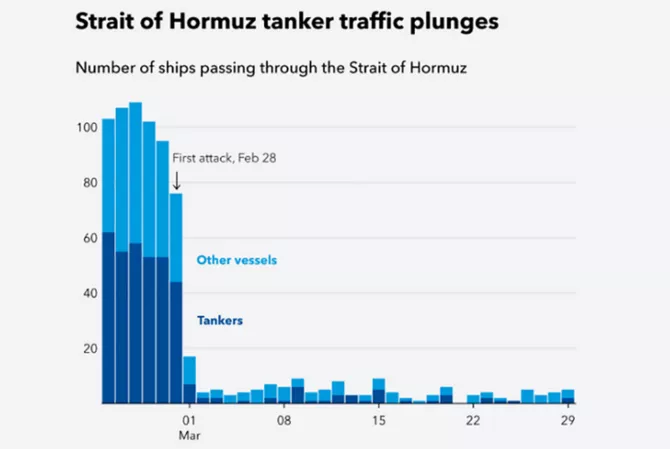
photo: 24kg
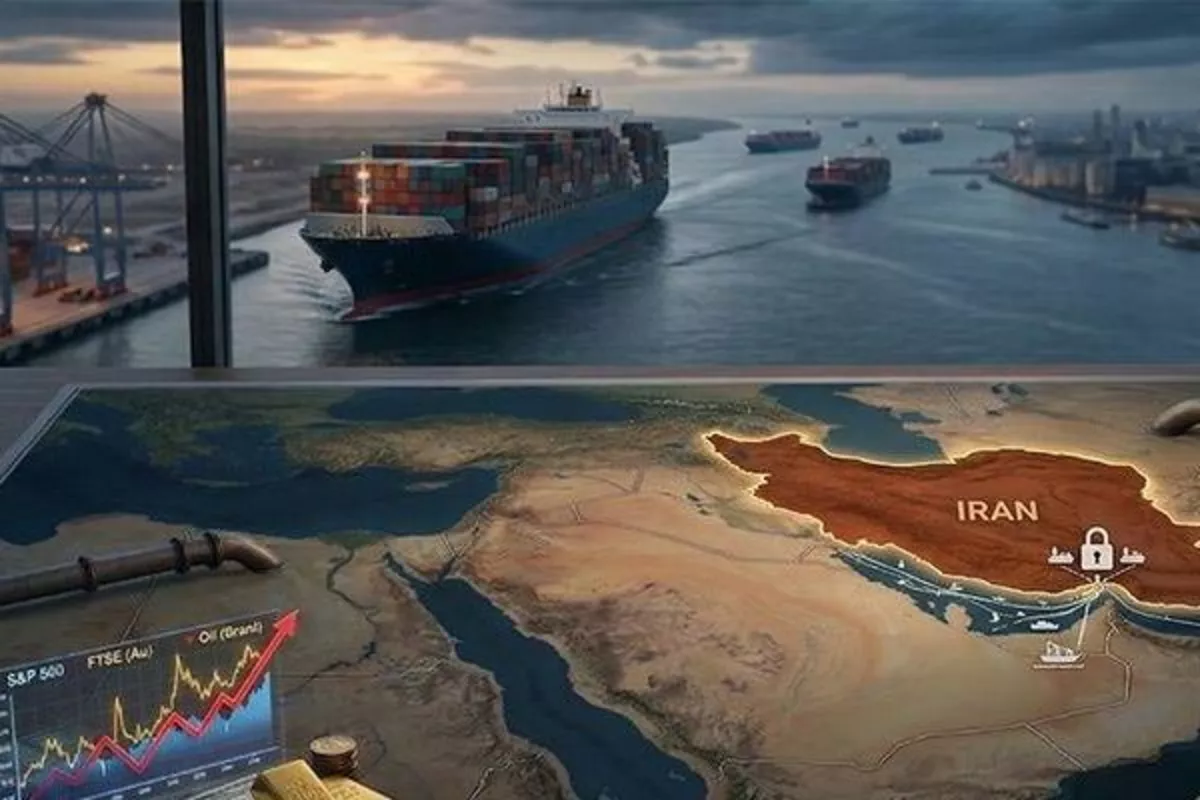
Meanwhile, major energy importers in Asia and Europe are bearing the brunt of rising fuel and commodity prices. Roughly 25-30% of global oil and 20% of liquefied natural gas pass through the Strait of Hormuz, supplying demand not only across Asia but also in parts of Europe.
Economies in Africa and Asia that heavily rely on oil imports are finding it increasingly difficult to secure the resources they need, even at elevated prices.
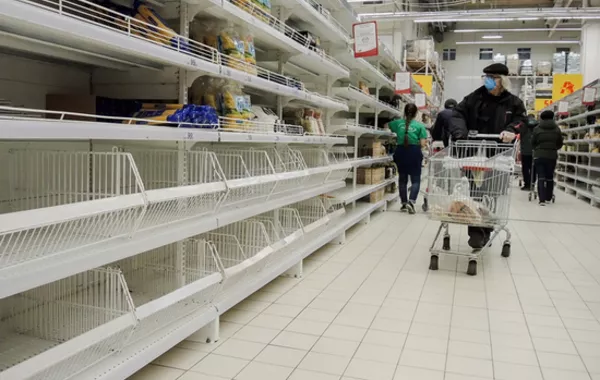
Regions in the Middle East, Africa, the Asia-Pacific, and Latin America are facing added pressure from rising food and fertilizer prices, as well as tightening financial conditions. Low-income countries are particularly vulnerable to food insecurity, and some may require additional external support-even as the overall availability of such aid continues to decline.
While the war may affect the global economy in different ways, all scenarios point to higher prices and slower growth.
A short-lived conflict could trigger a sharp spike in oil and gas prices before markets have a chance to adjust, while a prolonged crisis could keep energy costs high for an extended period and strain countries that rely on imports. Alternatively, the world may settle somewhere in between: persistent tensions, elevated energy prices, and inflation that proves difficult to control amid ongoing uncertainty and geopolitical risks. Much will depend on the conflict’s duration, its geographic spread, and the extent of damage to infrastructure and supply chains.
Energy Prices
Energy serves as the main channel through which the impact is transmitted. The effective closure of the Strait of Hormuz and damage to regional infrastructure have triggered the largest disruption in the global oil market in history, according to the International Energy Agency.
For fuel-importing countries, this is akin to imposing a large and sudden “tax” on national incomes.
The interregional impact is clear. Economies of energy-importing countries in Africa, the Middle East, and Latin America are facing added pressure from rising import costs, compounding challenges posed by already limited fiscal space and depleted external reserves.
In major manufacturing economies across Asia, rising fuel and electricity costs are driving up production expenses and eroding consumer purchasing power; in several countries, pressure on the balance of payments is already affecting currency values. In Europe, the shock heightens the risk of a repeat of the 2021-2022 gas crisis. Italy and the United Kingdom are particularly vulnerable due to their reliance on gas-fired power generation, while France and Spain are in a more resilient position thanks to a high share of nuclear and renewable energy.
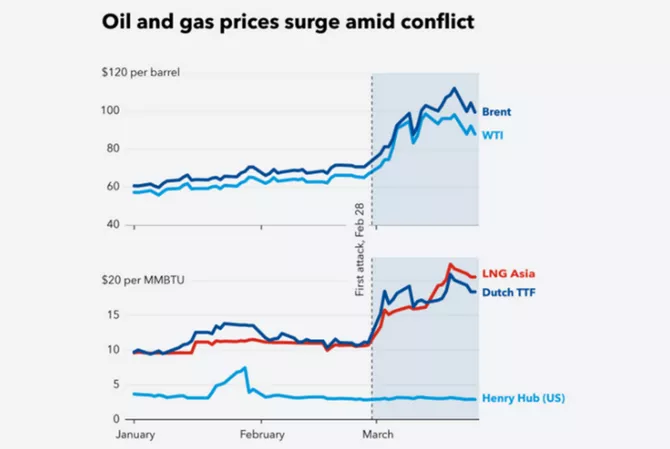
photo: 24kg
At the same time, oil-exporting countries in the Middle East that are able to maintain shipments to certain markets in Africa and Latin America may strengthen their fiscal and external positions thanks to high prices. Producers with limited export capacity-including several member states of the Gulf Cooperation Council-are likely to reap far smaller benefits.
Even after transit routes are restored, elevated risk premiums and persistent uncertainty could continue to restrain investment and economic growth.
Indonesia, which supplies roughly half of the world’s nickel-a key component for electric vehicle batteries-could face a shortage of sulfur needed for processing the metal. Meanwhile, East African economies that rely on trade with Gulf countries and remittances from the region are experiencing weaker demand for their exported services, logistical challenges, and a decline in remittance flows.
Inflation and Inflation Expectations
If high energy and food prices persist, they are likely to fuel global inflation. IMF analysts note that historically, prolonged spikes in oil prices have led to rising inflation and slower economic growth. Over time, higher transportation and production costs feed through to prices for industrial goods and services. For many countries that have only recently brought inflation close to target levels-and especially for those where inflation remains more entrenched-this poses a risk of a renewed period of painful price pressures.
The situation is uneven across regions. In much of Asia and parts of Latin America, where inflation has been relatively low, rising energy and food costs will test the resilience of expectations-especially in economies with weak currencies and heavy reliance on energy imports. In Europe, another surge in energy prices compounds existing cost-of-living pressures, increasing the risk of stronger and more persistent wage demands.
In low-income countries-where people spend a large share of their income on food, particularly in Africa, parts of the Middle East, and Central America-rising food prices carry severe social and economic costs.
If households and businesses in any of these regions come to believe that inflation will remain high for an extended period, they may factor it into wages and prices, making it difficult to contain the shock without a sharp economic slowdown. In this way, the war not only raises current inflation but also increases the risk of more unstable inflation expectations.
Financial Conditions
Finally, the war has shaken financial markets. Global stock prices have declined, bond yields have risen in major advanced economies and across many emerging markets, and volatility has increased. So far, the sell-off has been relatively contained compared with previous global shocks.
Nevertheless, IMF analysts note that these developments have tightened financial conditions worldwide.
Again, the effects vary across regions. In Europe and many emerging markets, higher yields and widening credit spreads are increasing debt-servicing burdens and complicating refinancing for both governments and companies. In Sub-Saharan Africa and certain low-income countries in the Middle East and South Asia, already limited reserves and constrained market access make external financial shocks particularly dangerous-especially as rising import bills for fuel, fertilizers, and food widen trade deficits and put pressure on currencies. In the Middle East and other regions, high debt levels combined with tighter financial conditions could further raise the cost of debt servicing.
In contrast, advanced economies with deep domestic capital markets, as well as some commodity-exporting countries with ample reserves-such as Saudi Arabia, the UAE, and Latin American producers like Brazil and Ecuador-are better positioned to absorb market stress, even if they are not immune to rising risk premiums.
These channels illustrate why the economic impact of the war is both global and highly uneven.
They help explain why the same shock can appear as a trade windfall for some countries, a balance-of-payments strain for others, and a renewed cost-of-living crisis for many economies.
These complex spillover effects are occurring at a time when many economies have limited capacity to absorb shocks. Numerous countries are already grappling with record-high debt levels, raising concerns about the sustainability of public finances.
To weather the shock and maintain resilience, it is now more important than ever for countries to implement sound policies. Measures must be carefully calibrated to each country’s specific needs. Economies with limited reserves and little fiscal space should exercise particular caution, analysts note.