Russia's Fuel Crisis Deepens with New Restrictions in Moscow Region
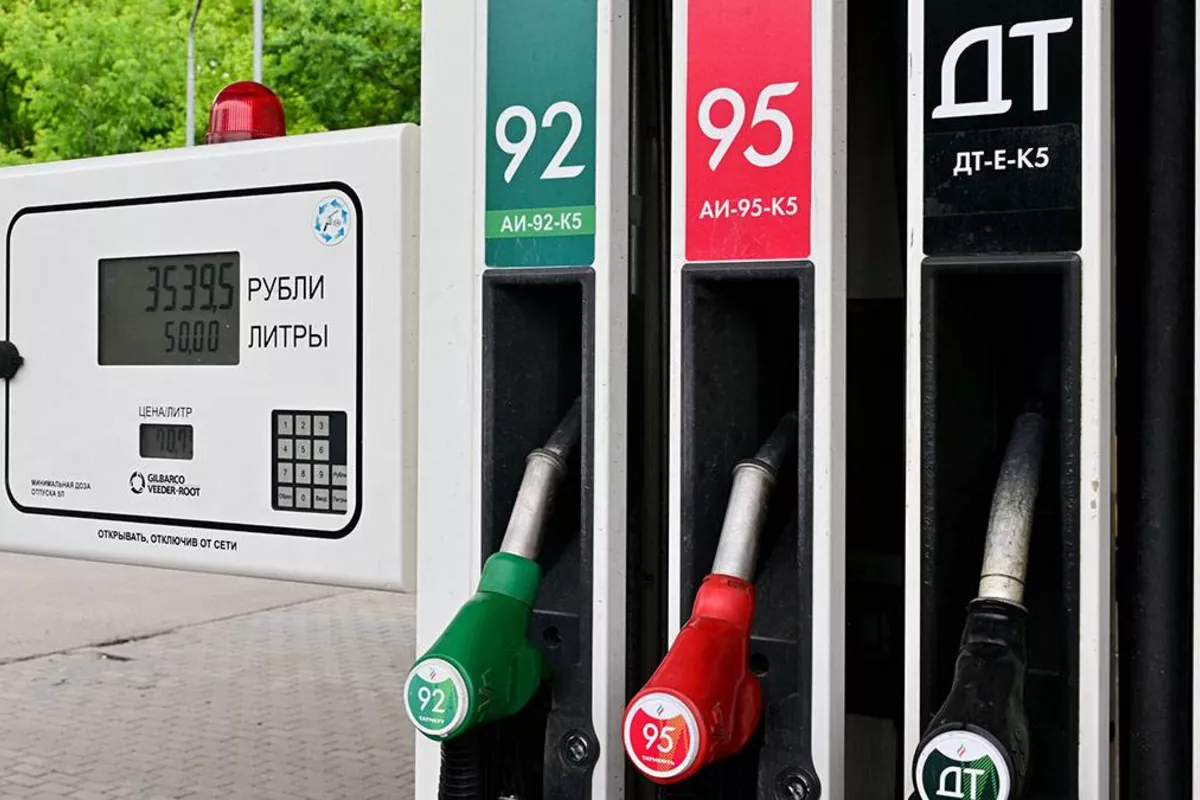
Russia's largest oil companies have begun imposing strict fuel purchase limits in Moscow and the surrounding region as the country confronts a deepening fuel crisis that has spread across nearly all regions of the Russian Federation. The introduction of restrictions in the capital region, traditionally one of Russia's most stable and well-supplied fuel markets, underscores the growing pressure on the country's fuel production and distribution systems.
According to Russian business daily RBC, major fuel retailers, including Gazpromneft and Lukoil, have introduced new limits on fuel purchases amid mounting supply disruptions linked to attacks on critical energy infrastructure and broader logistical challenges.
What Restrictions Have Been Introduced?
Gazpromneft, one of Russia's largest oil companies, has limited customers at its gas stations in Moscow and the Moscow region to purchasing no more than 30 liters of gasoline or 60 liters of diesel fuel per transaction. The company has also completely prohibited the sale of fuel in portable canisters.
At Gazpromneft's highway service stations, the restrictions are slightly different: customers remain limited to 30 liters of gasoline per transaction, while diesel purchases are capped at 200 liters. According to RBC, such restrictions had not previously been imposed by the company in the Moscow region, making the move a significant departure from normal operating practices.
Lukoil, another major Russian energy company, has also tightened fuel sales regulations across parts of Moscow. At several stations, customers are now allowed to purchase only between 20 and 30 liters of fuel per transaction, while sales into canisters have likewise been banned.
The restrictions represent a substantial tightening compared with previous measures. In May, Lukoil limited gasoline purchases in the Moscow region to 100 liters per receipt. By mid-June, similar restrictions had been extended to diesel fuel sales.
Lukoil's subsidiary network Teboil has implemented additional limitations. According to company representatives, some stations allow customers to purchase no more than 30 liters of AI-92 gasoline, while others have imposed a 20-liter cap on gasoline purchases and a 60-liter limit on diesel fuel.
Why Has Russia Introduced Fuel Rationing?
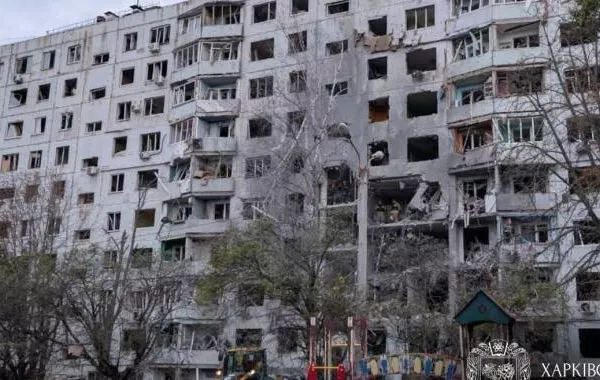
The current fuel crisis has been largely attributed to Ukrainian drone strikes targeting Russian oil refineries and fuel infrastructure. Over the past several months, Ukraine has increasingly focused attacks on Russia's energy sector in an effort to disrupt fuel supplies supporting both the civilian economy and military operations.
Among the facilities affected is Gazpromneft's Kapotnya refinery near Moscow, one of the capital region's key fuel production facilities. The refinery reportedly experienced two separate fires in June following drone attacks, raising concerns about reduced refining capacity and disruptions to fuel distribution networks.
The attacks have added pressure to an energy sector already facing challenges related to wartime logistics, maintenance disruptions and the redistribution of fuel supplies to military needs.
How Widespread is the Fuel Crisis?
While fuel shortages initially appeared in Russia's border regions and remote areas, restrictions have now spread across virtually the entire country. According to Russian media reports, fuel rationing measures have been introduced in numerous regions of the Russian Federation as well as in Russian-occupied territories of Ukraine.
The most common restrictions involve outright bans on filling portable canisters, a measure aimed at preventing stockpiling and black-market resales. In several regions, gasoline sales have been limited to as little as 15 liters per customer.
Reports of fuel shortages and purchase caps have emerged from southern Russia, Siberia, the Far East and occupied territories, highlighting the nationwide nature of the problem.
Why is the Situation in Moscow Significant?
The emergence of fuel restrictions in Moscow and the Moscow region carries particular significance because the capital area has traditionally been shielded from the supply disruptions affecting other parts of Russia. The region benefits from close proximity to major refineries, extensive transportation infrastructure and political priority in resource allocation.
Analysts note that the decision by major oil companies to introduce rationing measures in Moscow suggests that fuel supply pressures have reached a level that can no longer be contained to peripheral regions.
The restrictions also indicate growing concerns among fuel producers about maintaining stable supplies during the summer period, when domestic fuel consumption typically peaks due to increased transportation activity and agricultural demand.
What are the Broader Implications?
The fuel crisis has emerged as one of the most visible economic consequences of the continuing conflict and the sustained attacks on Russia's energy infrastructure. While Russian authorities have sought to reassure the public that supplies remain sufficient, the expansion of fuel restrictions into the country's largest metropolitan area may intensify concerns about the resilience of domestic energy distribution systems.
For now, fuel companies appear focused on rationing existing supplies and preventing panic buying, but the extension of restrictions to Moscow suggests that Russia's fuel market is facing one of its most significant disruptions since the beginning of the conflict.