Source: X social media platform
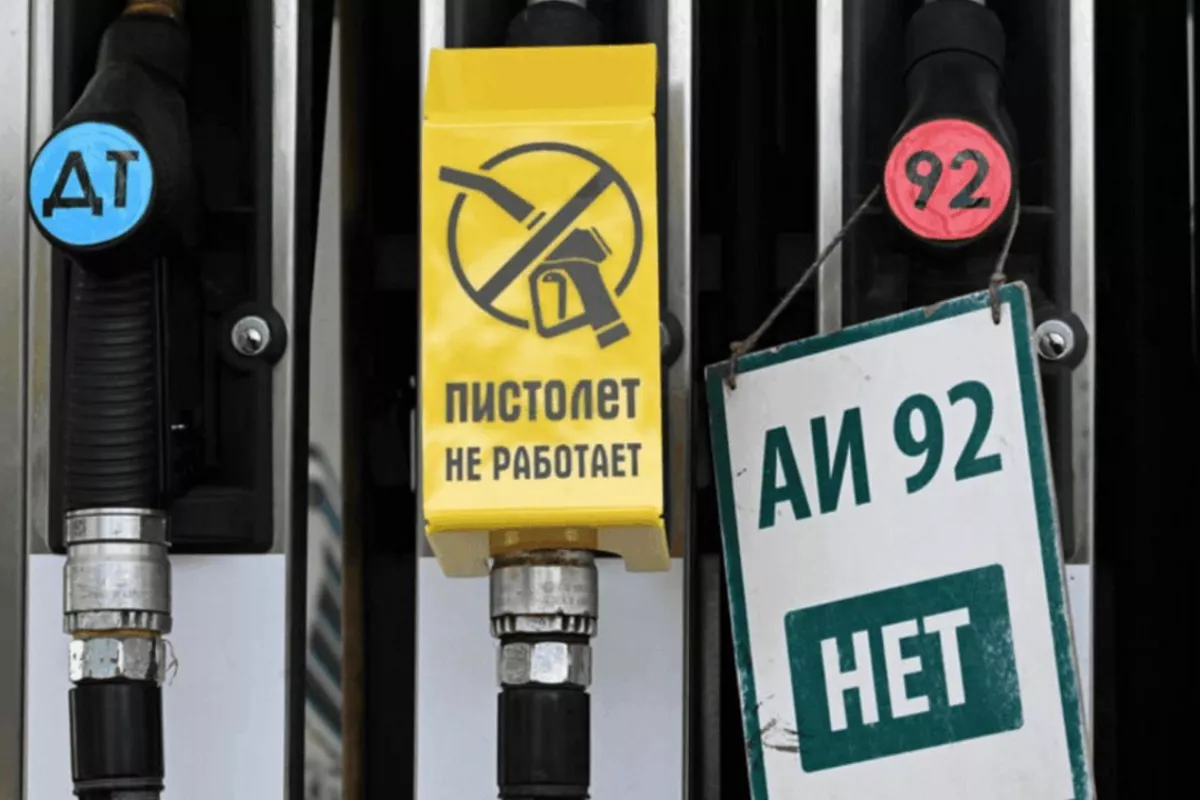
Russia's worsening fuel shortage is increasingly affecting the public sector, with the number of unsuccessful, canceled, or reissued fuel tenders for hospitals, municipal utilities, and emergency services tripling in May and June compared with the same period last year, The Caspian Post reports, citing Izvestia newspaper.
The newspaper reported that fuel suppliers are increasingly unwilling to participate in fixed-price government contracts because higher market fuel prices allow them to earn greater profits by selling gasoline through retail networks or to commercial customers.
As a result, several public institutions, including hospitals, municipal utility providers, and regional government agencies, have been unable to secure fuel supplies after receiving no bids or being forced to repeatedly relaunch procurement tenders. In some cases, contracts were eventually awarded to a single supplier.
Hospitals, fire departments, public transport operators, and municipal services are continuing to operate by relying on reserve fuel stocks and priority fuel allocations. However, analysts caution that if the shortages persist, they could place growing pressure on public budgets and begin to interfere with the delivery of essential public services.
Vladimir Chernov, an analyst at Freedom Global, said government authorities will most likely need to increase the starting prices for fuel contracts to better reflect current market conditions. He also warned that remote regions could experience repeated supply disruptions, forcing local authorities to delay maintenance projects, reduce non-essential travel, and scale back the frequency of public transport services.
Share on social media