Iraq is planning to restart a previously dormant pipeline, enabling it to resume oil exports to global markets through Türkiye, in order to mitigate the export disruptions caused by the Iran conflict.
Iraqi oil minister Hayyan Abdul Ghani committed, in remarks made to the country’s public broadcaster, to shipping crude shipments from both southern and northern oil fields in Iraq via the 600-mile (970-km) Kirkuk-Ceyhan (Kirkuk-Yumurtalik) oil pipeline, otherwise known as the Iraq-Turkey Pipeline (ITP). Baghdad has been forced to shut down its oil export terminals on the Persian Gulf given disruption caused to tanker routes by consequences of the conflict between the US, Israel and Iran. However, it is hopeful it has found a way to alleviate the problem with a restored ITP.
The ITP has been out of action for more than a decade following bomb attacks mounted by Islamist militants. To bring it back into action, Iraq has accelerated a revamp.
The pipeline connects Kirkuk in northern Iraq to Turkey’s Ceyhan port in Yumurtalik district on the eastern Mediterranean coast.
Separately, it was announced on March 17 that oil export flows to Turkey from northern Iraq’s Kurdistan Region had resumed following an agreement between the Kurdish Regional Government (KRG) and the Iraqi central government in Baghdad. These flows move along the Kurdistan Export Pipeline before switching into the ITP at a point beyond where the damage caused by bomb attacks on the ITP occurred.
Disputes Between Baghdad and Kurds
Despite the urgency, an even faster implementation of the package of new pipeline export plans proved unachievable due to unresolved disputes over oil shipments between Baghdad and the KRG.
On March 16, Abdul Ghani said that the ITP would be ready for use within a week, allowing for oil exports that do not need to traverse the Kurdistan Region.
On March 15, Iraq’s oil ministry had griped that the Kurdish authorities were setting conditions unrelated to the crude oil export process.
Baghdad has in recent days reiterated how it stood prepared to back exports of up to 300,000 barrels per day via the linkage between the ITP and Kurdistan Export Pipeline.
Exports could include Kurdish oil, the ministry confirmed, noting that the KRG shipped at least 200,000 barrels per day before the war, while there was pipeline capacity available for around 900,000 barrels per day.
Unending Rows Since 2023
In 2023, the central government won an international arbitration case, which ruled that the KRG’s piped exports to Turkey were illegal as they were not agreed with Baghdad. As a result, Turkey halted flows on the pipeline network. Later on, the Kurdistan Export Pipeline was relaunched but the disputes have continued and the oil flows have been modest.
The KRG also transports its oil to Turkey via trucks. Thus, the KRG and the Turkish government do not entirely rely on the pipeline capacity for their oil trade.
Second Largest Oil Producer in OPEC
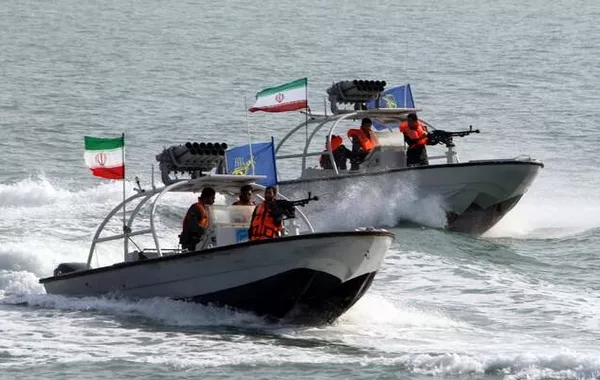
Iraq is the second-largest oil producer in OPEC. It has a 4.4mn barrels per day quota. Its oil production sharply declined after the Strait of Hormuz became subject to severe blocking as Iran responded to US and Israeli attacks.
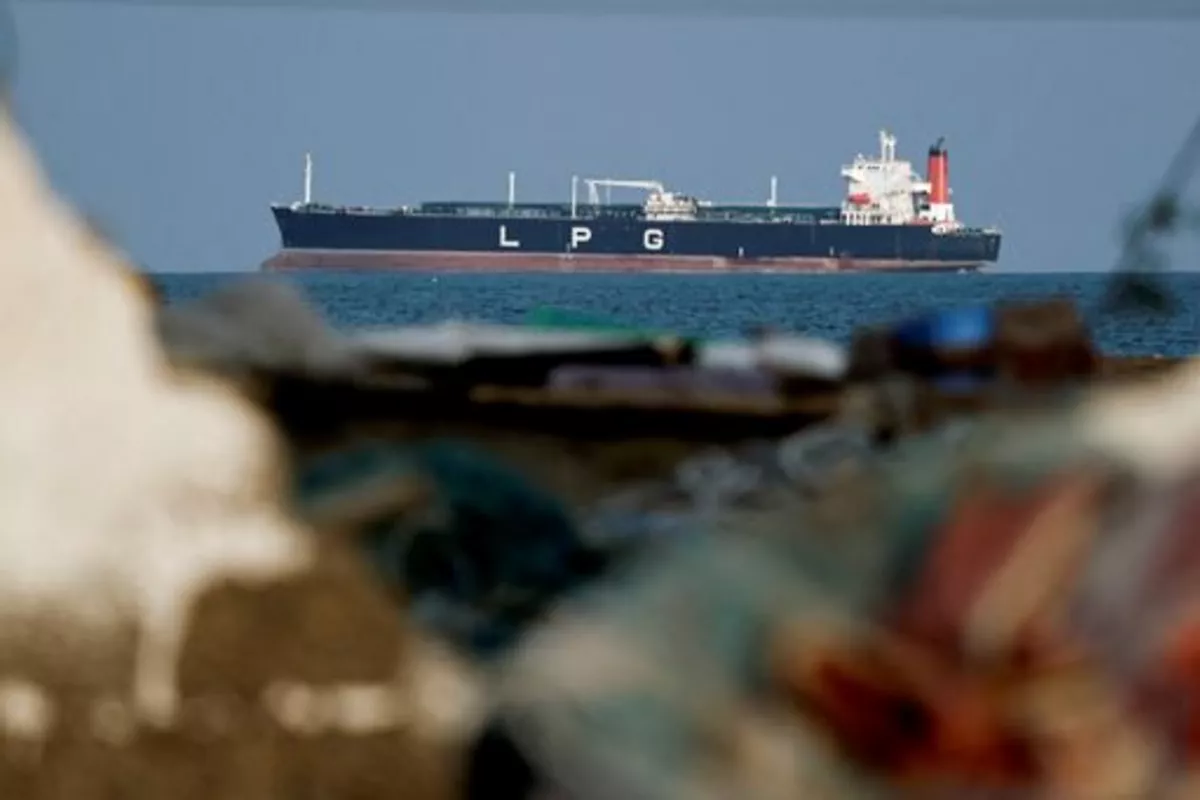
Iraq exports most of its oil output through Hormuz. Thus, it moved to suspend operations at its oil terminals on the Gulf coast following the closure of the strait.
As a result, the country's current oil production fell to 1.3-1.4mn barrels per day on March 12 from about 4.3mn barrels produced before the closure of the Strait of Hormuz, according to Abdul Ghani.
Abdul Ghani said on March 16 that production had recovered and was at 4.4mn barrels per day.
Prior to the closure of the strait, Iraq exported around 3.4mn barrels per day through the southern ports, particularly Basra. With the closure of Hormuz, it reduced production from its oil fields to around 1.5-1.6mn barrels per day, enough to meet the needs of its refineries and power plants.
Refineries in Iraq were operating at full capacity with a daily output of 1.2mn barrels, the minister said on March 12.
Halted Then Relaunched
After the Iran war began on February 28, the Iraqi government on March 9 halted pipeline shipments to Turkey as a preventative measure. On March 13, shipments were relaunched.
Northern Iraq has a daily shipment capacity of 210,000 barrels while the Kirkuk fields alone can deliver at least 150,000 to 200,000 barrels of oil per day, according to Abdul Ghani.
Multi-field Integration
Within Iraq, various regional lines feed into the main Kirkuk-Ceyhan pipeline network. For instance, the Taq Taq and Mosul (i.e., Ain Zalah) oil fields are integrated into the export corridor via feeders.
Furthermore, through the rehabilitation of the Strategic Pipeline (which connects Basra on the Gulf to the ITP), Iraq’s southern oil fields can also be connected to the Kirkuk-Ceyhan system.
Idle Capacity Over Disputes
On paper, the Kirkuk-Ceyhan pipeline network can carry up to 1.6mn barrels per day. However, the current active capacity is estimated at about 0.5mn barrels. It is thought that the daily capacity could be pushed to 0.9mn barrels.
The network carried a record 194mn barrels of oil in 2019. Between 2016 and 2022, annual shipments hovered between 135mn and 194mn barrels.
With the disputes, the figure fell to 39mn barrels in 2023 and it was zeroed in 2024. A total of 19mn barrels were transported in 2025 and 6mn barrels in January this year.
Truck and Aqaba Options
The Iraqi State Oil Marketing Corporation (SOMO) announced that it had received offers to ship crude oil by truck to Jordan, Syria, and Turkey. The minister stated that Iraq has the capacity to export at least 100,000 to 200,000 barrels of oil per day by truck.
Efforts are also ongoing to resume exports via Baniyas port in Syria and the Aqaba pipeline (which connects Basrah to the Red Sea via Jordan).
Turkish Vessel Passes Hormuz
On March 13, Turkey’s transport minister, Abdulkadir Uraloglu said that Iran allowed a Turkish-owned oil tanker to pass through Hormuz.
As of March 17, media reports were suggesting that Iran would allow all Turkish and Indian vessels to pass along the strait while the Iraqi government was also holding talks to receive permission for its shipments.
See the original article here