Tajikistan to Host CSTO Humanitarian Response Center: Why It Matters
The Collective Security Treaty Organisation (CSTO) is planning to establish a humanitarian response center in Tajikistan as part of efforts to strengthen the alliance’s ability to respond quickly to earthquakes and other major emergencies across the region.
The announcement was made by Russia’s Emergency Situations Minister Alexander Kurenkov during a meeting of the CSTO Coordination Council on Emergency Situations.
Why is the Center Being Created?
According to Kurenkov, the new humanitarian response center will be strategically located near seismically active areas to ensure faster deployment of rescue operations during natural disasters, particularly earthquakes. The facility will be equipped with specialised machinery, rescue equipment, food supplies and other essential humanitarian resources.
Kurenkov emphasized that emergency situations require immediate action, noting that “every minute counts” when responding to disasters. He said the establishment of the center would significantly reduce the time needed to deliver assistance to affected areas.
What will the Center Include?
Officials from CSTO member states are currently working on the centre’s operational structure, determining the types of equipment required and identifying potential suppliers. Among the options being considered is the procurement of specialised equipment manufactured in Belarus and Russia.
The center is expected to serve as a regional hub for emergency preparedness and rapid response, enhancing cooperation among CSTO member countries during large-scale humanitarian crises.
Why was Tajikistan Chosen?
Tajikistan’s location near several seismically active zones makes it a strategically important site for a regional emergency response hub. The country regularly faces earthquake risks, making it a suitable location for developing rapid-response capabilities and conducting practical rescue training exercises.
What Exercises are Planned?
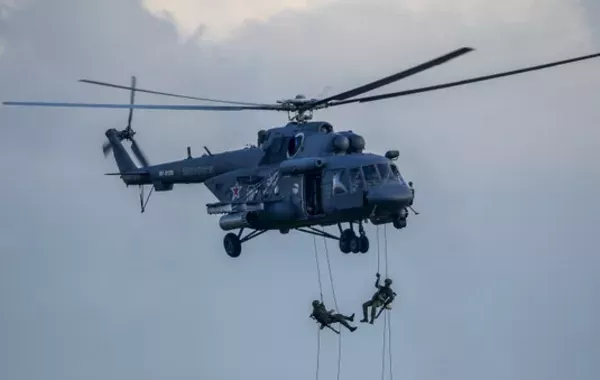
Kurenkov also announced that Tajikistan will host the CSTO’s “Skala-2026” rescue exercises from October 13 to 15. The drills will simulate the aftermath of a major earthquake and are designed to replicate real-world disaster conditions as closely as possible.
In addition, the country will host the “Kobalt-2026” exercises, which will involve command structures and special forces units.
What is the Purpose of These Drills?
According to Kurenkov, multinational exercises such as “Skala” and “Kobalt” play a critical role in improving coordination among emergency response teams from different countries. They also help strengthen practical disaster-response capabilities and ensure that rescue services can operate effectively during large-scale emergencies.
The planned humanitarian response centre and accompanying exercises reflect the CSTO’s broader effort to improve regional disaster preparedness and accelerate emergency assistance across its member states.