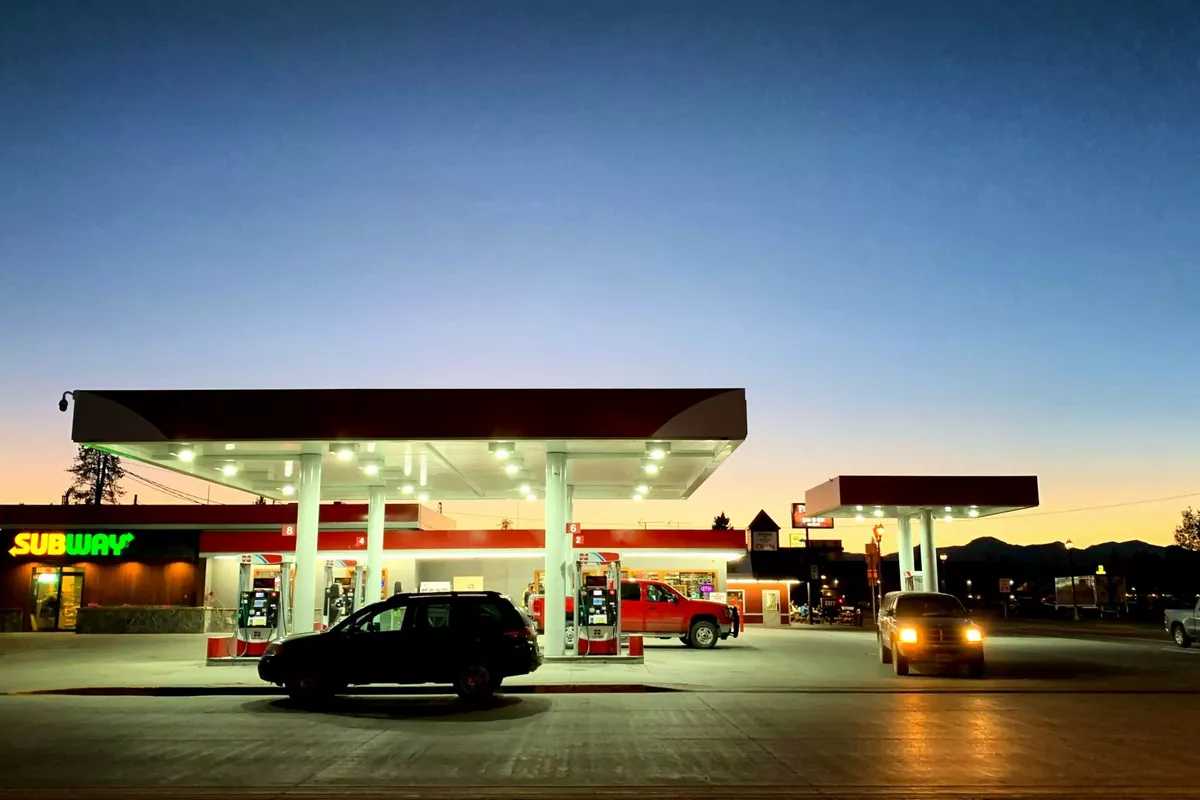
Credit: Trend
Tajikistan tripled its fuel imports from Turkmenistan, Uzbekistan, and Kazakhstan in July compared with June, with purchases from its regional neighbors totaling 34,000 tons.
The Moscow Times, citing Reuters, reports that the surge in imports is driven by a drop in supplies from Russia, which is currently grappling with a fuel crisis caused by Ukrainian drone strikes on its oil refineries.
According to Reuters sources, gasoline shipments from Russia to Tajikistan in July fell by half to 14,000 tons compared to June. Diesel deliveries were down 2% to 30,000 tons, and there were no shipments of aviation kerosene at all. Meanwhile, purchases of gasoline from Turkmenistan, Uzbekistan, and Kazakhstan jumped from 8,400 tons in June to 13,800 tons in July. Diesel imports from those countries rose from 2,400 tons to 17,600 tons, and aviation fuel imports soared from 316 tons to 2,500 tons.
On August 6, the Tajik Ministry of Transport also confirmed that the government is searching for alternative sources of fuel supplies, with Kazakhstan as its main focus. Negotiations are also underway with China, Turkmenistan, Iran, and Belarus. The ministry described “military operations in the Middle East” as one of the reasons for the current fuel shortage.
Earlier in July, Tajikistan’s Minister of Energy and Water Resources, Daler Juma, said the government was in talks with several countries for additional fuel purchases.
As supply disruptions continue, retail prices for AI-92 gasoline in Tajikistan have climbed to 12-12.5 somoni per liter (about $1.10-$1.15) in early August, up from 11-11.2 somoni (about $1.02-$1.04) in early June. Diesel prices have also surged to 16.5-18.5 somoni (about $1.52-$1.71).
Tajikistan isn’t alone in facing a fuel crisis due to falling Russian imports. Kyrgyzstan has requested monthly fuel deliveries of 20,000 tons from Uzbekistan, and is also negotiating additional purchases with Belarus, China, Azerbaijan, and Turkey. In Mongolia, where 95% of fuel is imported from Russia, authorities have introduced strict gasoline rationing for motorists.
Ukraine has managed to take nearly half-about 45%-of Russia’s nominal oil refining capacity and a third-33%-of its actual processing capacity offline. By mid-July, Russian refineries with a combined annual capacity of more than 45 million tons had yet to resume fuel sales on the St. Petersburg exchange. According to The Insider, following attacks in 2026, 16 Russian refineries either fully or partially halted operations.
Share on social media