Tajikistan to Invest $6.5 Billion in Power Sector Upgrade
Tajikistan is preparing for a major overhaul of its power sector, with the government estimating that 60.4 billion somoni (about $6.5 billion) will be needed to implement the Electricity Sector Development Program for 2026-2030.
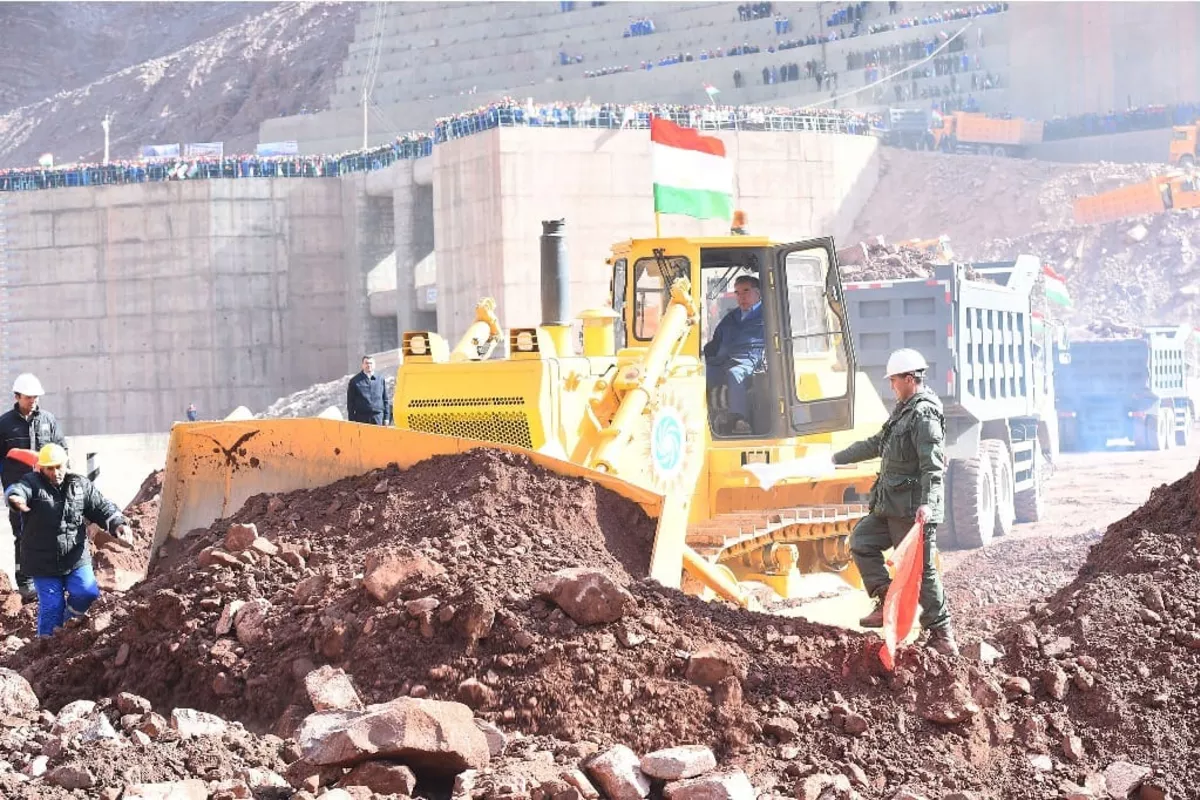
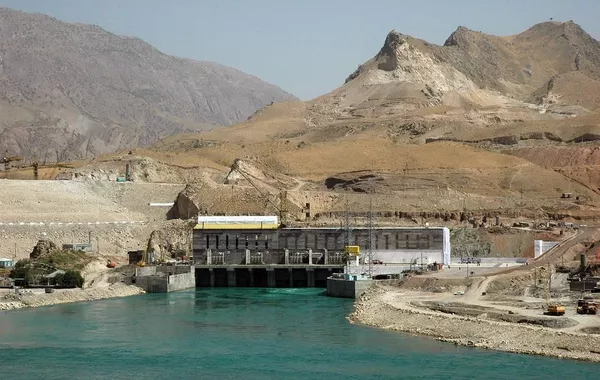
The funding is expected to come from a mix of investment sources, development partners, private investors, and annual allocations from the state budget, most of which will be directed toward the construction of the Rogun Hydropower Plant (HPP), The Caspian Post reports via Tajik media.
Where the funding will come from
The main sources of financing under the program include:
development partners - 36.57 billion somoni ($3.979 billion);
private sector investment - 23.79 billion somoni ($2.588 billion);
state budget funds earmarked annually for the construction of the Rogun HPP.
This year alone, more than 9 billion somoni ($979.328 million) has been allocated from the state budget for the Rogun project, accounting for roughly 20 per cent of total approved budget spending. In the 2026 state budget, funding for the fuel and energy sector is set at 15 billion somoni (over $1.6 billion), or 22.4 per cent of total government expenditures.
What the program includes
During the program period, priority will be given to the construction of the Rogun, Shurob, and Charsem hydropower plants, as well as the rehabilitation and modernization of existing facilities. By 2030, Tajikistan plans to commission the remaining four units at the Rogun HPP and replace two permanent turbine runners, significantly boosting capacity and restoring lost output.
The development of solar and wind energy also remains a key focus. Plans include building 1.5 GW of solar power plants in the Sughd and Khatlon regions, alongside studies into the country’s wind energy potential.
Expanding exports and modernizing grids
Tajikistan is also stepping up electricity exports and sees frequency regulation services in regional power networks as a strategic avenue to strengthen its position in Central Asia. To support this, the country plans to expand and modernize transmission infrastructure, including the construction of high-voltage lines such as the Rogun-Saikhun 500 kV line, and the reconstruction of existing substations.
At the national level, the program envisages upgrading distribution networks, replacing outdated equipment, and installing smart meters to improve the reliability of electricity supply.
Expected results
Once implemented, the program is expected to deliver:
2,680 MW of new generation capacity from newly built hydropower plants;
253 MW of additional capacity from rehabilitated power stations and the restoration of 440 MW lost due to equipment wear;
1,500 MW of solar generation capacity;
a reduction of electricity losses to 3 per cent in transmission networks and 9 per cent in distribution networks;
up to 5 billion kWh of electricity exports annually.
In his latest address, the president noted that domestic electricity demand is rising each year and is projected to be 31 per cent higher in 2030 than in 2025. Over the past decade, 60 billion somoni ($6.528 billion) has been invested in Tajikistan’s energy sector, increasing installed generation capacity by 1,017 MW.