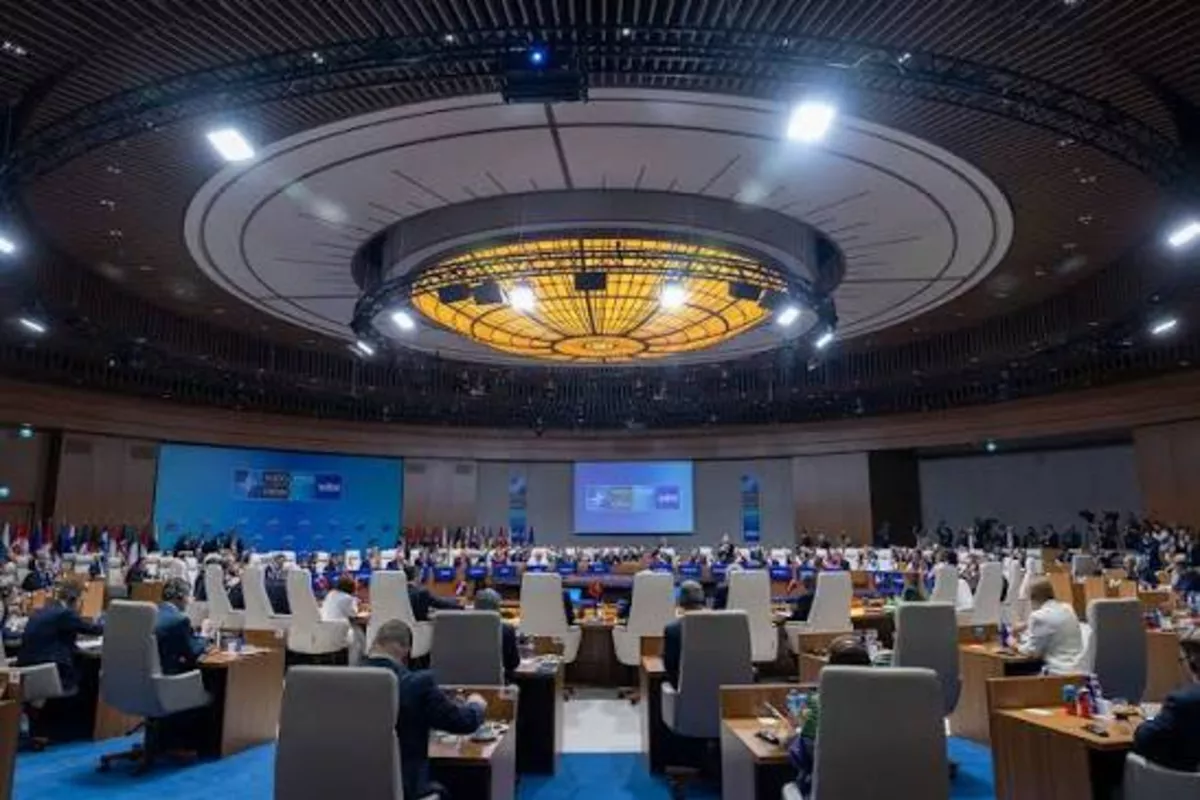
The 2026 NATO Summit in Ankara marked far more than a routine gathering of Allied leaders. Against the backdrop of intensifying geopolitical competition, continued instability in Eastern Europe and the Middle East, and shifting global security priorities, the summit reflected NATO's efforts to redefine its strategic vision for a rapidly evolving international order.
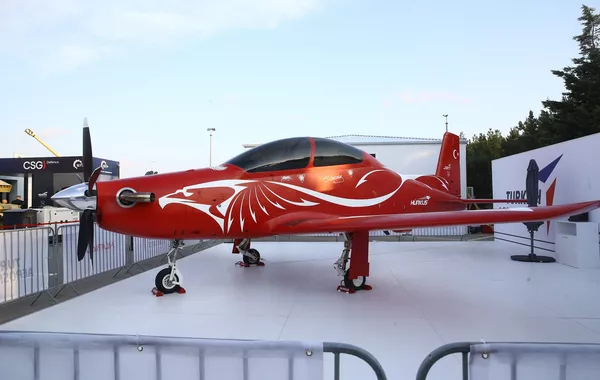
While defence spending, the post-Russia-Ukraine security architecture, regional developments following the Iran war, and defence industrial cooperation dominated discussions, the meeting also underscored Türkiye's growing influence within the Alliance. It highlighted NATO's broader transformation from a traditional Euro-Atlantic military alliance into a more comprehensive security organisation capable of responding to multidimensional threats across several regions.
Hosting the summit enabled Türkiye to reaffirm its strategic importance as the only NATO member capable of simultaneously projecting influence across the Black Sea, the Middle East, the South Caucasus, the Eastern Mediterranean and the Red Sea. Ankara's ability to maintain dialogue with both Russia and Ukraine has further strengthened its diplomatic standing within the Alliance at a time when geopolitical mediation has become an increasingly valuable strategic asset.
Speaking to The Caspian Post, Turkish political analyst Emre Diner described the Ankara Summit as one of NATO's most consequential meetings in recent decades.
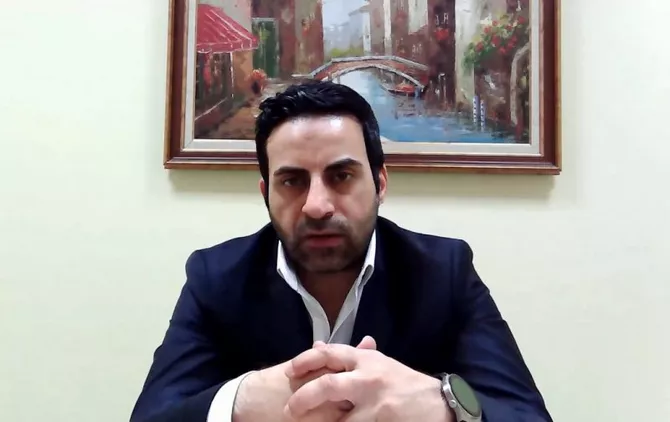
Photo: Turkish political analyst Emre Diner
"The 2026 Ankara Summit was not simply another NATO meeting - it established the political framework for the Alliance's third major strategic transformation since the end of the Cold War," he said.
According to Diner, the summit's agenda reflected NATO's transition towards a much broader strategic outlook.
"The agenda extended well beyond defence spending. It addressed the post-Russia-Ukraine security architecture, regional stability following the Iran war, defence industrial cooperation, and the future of transatlantic relations. At the same time, it reaffirmed Türkiye's growing strategic importance within NATO," he said.
The analyst argued that Ankara has moved beyond its traditional role as NATO's south-eastern flank to become one of the Alliance's principal strategic actors.
"Türkiye is no longer merely NATO's south-eastern flank. It has become one of the principal actors shaping the Alliance's strategic direction through its unique influence across the Black Sea, the Middle East, the South Caucasus, the Eastern Mediterranean and the Red Sea," Diner said.
He stressed that Türkiye's diplomatic engagement with both Moscow and Kyiv has significantly enhanced its strategic value.
"Türkiye's ability to maintain dialogue with both Russia and Ukraine gives Ankara a diplomatic advantage unmatched by any other NATO member and positions it as a key mediator in regional crises," he said.
Beyond Türkiye's role, Diner believes the Ankara Summit revealed a fundamental shift in NATO's understanding of security.
"NATO's security doctrine is no longer centred exclusively on Russia. The Alliance is now adapting to a broader spectrum of threats, including regional instability, cyber warfare, missile and UAV threats, space security, and the resilience of critical infrastructure," he said.
This broader understanding of security also places greater emphasis on technological superiority, defence industrial capacity, cybersecurity, and resilience against hybrid threats - issues that have become increasingly prominent as geopolitical competition intensifies.
The summit also demonstrated that European allies are expected to assume greater responsibility for collective defence.
"As the United States shifts more of its strategic attention towards the Indo-Pacific, European allies are being compelled to assume greater responsibility for their own defence, fundamentally reshaping burden-sharing within NATO," Diner noted.
According to the analyst, the decisions taken in Ankara reflected not only NATO's internal adaptation but also the changing balance of power in international politics.
"The summit confirmed that NATO is evolving from a Euro-Atlantic military alliance into a broader security architecture linking Europe, the Black Sea, the Middle East and the Indo-Pacific within a single strategic framework," he added.
Diner believes this transformation significantly enhances Türkiye's geopolitical importance.
"The geopolitical message from Ankara was unmistakable: Türkiye is no longer adapting to NATO's transformation - it is actively helping shape the Alliance's future strategic vision," he concluded.
The Ankara Summit demonstrated that NATO is entering a new strategic phase shaped by evolving geopolitical realities rather than traditional security assumptions. As the Alliance broadens its focus from territorial defence to multidimensional global security challenges, Türkiye's strategic location, military capabilities, diplomatic flexibility, and expanding defence industry are positioning it as one of NATO's most influential members in shaping the Alliance's future direction.